
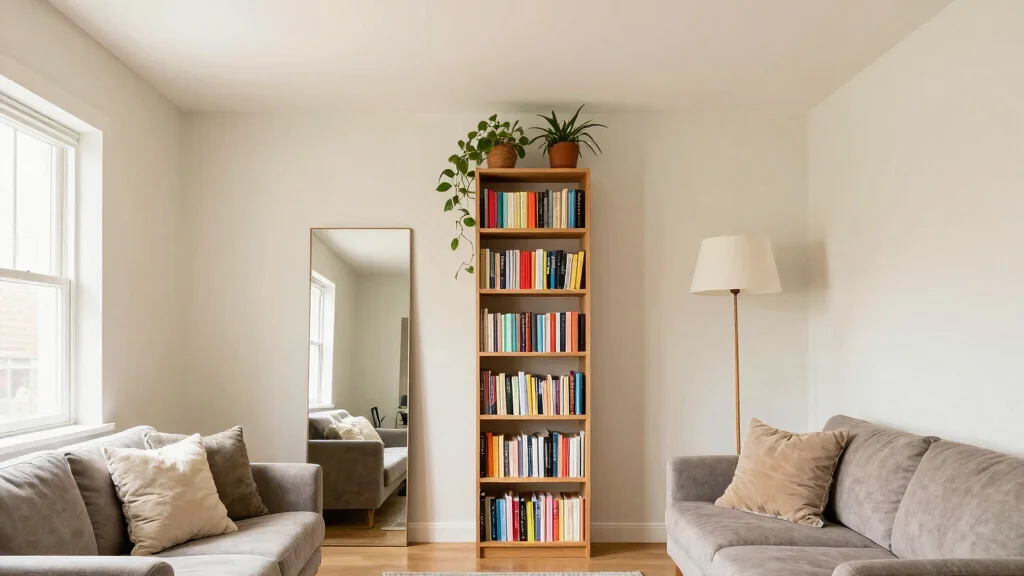


Low ceilings can sometimes feel like a decorating nightmare, making your space seem cramped and stifled. I created this post because I understand the challenges of living in small spaces and the desire to make every inch count. If you’ve ever felt overwhelmed by your low ceilings and wished for a way to make your home feel more open and inviting, you’re in the right place. Whether you’re a renter looking for budget-friendly solutions or a homeowner wanting to enhance your cozy abode, this guide is tailored for you. I’ve gathered 17 clever low ceiling ideas that not only trick the eye but also maximize the height perception of your space. From color choices to furniture styles, each tip is designed to help you create a home that feels airy, spacious, and uniquely yours. Ready to elevate your space? Let’s dive into these ideas that are not just practical but also stylish. You’ll find that a few simple changes can dramatically transform how your home feels, allowing you to enjoy your space fully.
Key Takeaways
– Use Vertical Stripes: Incorporating vertical stripes in your decor can draw the eye upward, creating an illusion of height in low-ceilinged rooms. – Light Colors Matter: Choosing lighter paint colors for your walls and ceilings can enhance brightness and make your space feel larger and airier. – Strategic Mirror Placement: Mirrors can reflect light and views, making a room feel more spacious. Position them across from windows to maximize the effect. – High Shelving Solutions: Installing shelves higher on the walls can utilize vertical space effectively while keeping floor areas clear, which contributes to a more open feel. – Layered Lighting Techniques: Using multiple light sources at different heights can create depth and ambiance, helping to elevate your space visually and functionally.Recommended Products

Vertical aerosol for overhead professional projects

Ready-mixed, grab-n-go white ceiling paint

Low odor, easy clean up water-based orange peel aerosol wall texture
Contents
- 1. Opt for Vertical Stripes
- 2. Lighten Up with Color
- 3. Use Mirrors Strategically
- 4. Install Shelf Space Up High
- 5. Choose Low Furniture
- 6. Hang Curtains High
- 7. Create Open Spaces with Layout
- 8. Incorporate Vertical Plants
- 9. Cut Clutter with Minimalism
- 10. Use Layered Lighting
- 11. Embrace Open Shelving
- 12. Utilize Architectural Features
- 13. Integrate Multi-Functional Furniture
- 14. Choose Slim Furniture Legs
- 15. Consider Ceiling Design
- 16. Create Visual Layers
- 17. Create a Focal Point
Recommended Products

【Size Information】:Grey striped wallpaper,each roll of wallpaper is 17.3 " wide and 78.7 " long. The coverage area is 9.45 feet. We have three sizes for you to choose from. If you choose to decorate a large area or accent wall, we recommend that you choose the larger size wallpaper for your installation, this is more convenient for your use

Inspired by linen-like textures and earthy tones, this design features vertical stripes with delicate vine detailing

When applying wallpaper, firmly press down the edges. Apply to clean, dry walls to improve adhesion.
1. Opt for Vertical Stripes
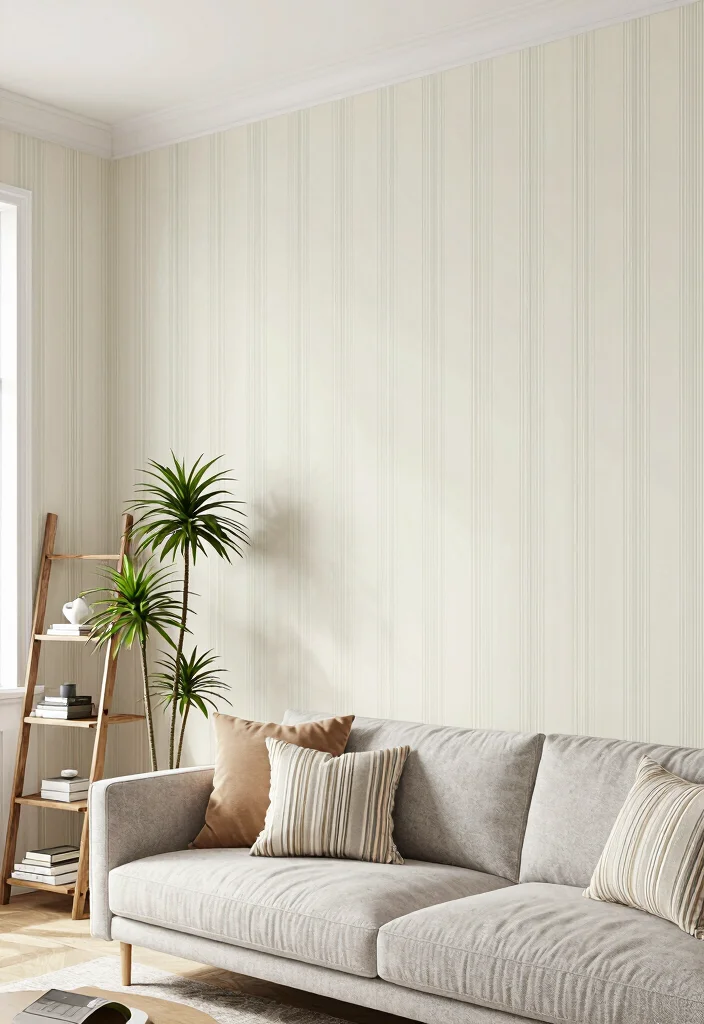
Incorporating vertical stripes is a clever way to enhance the perception of height in any room. This design principle works wonders by drawing the eye upward, creating an illusion of soaring ceilings. You can achieve this look with wallpaper or paint, while a subtle stripe pattern in light colors reflects light beautifully, adding an airy vibe. Think about using vertical elements in your decor, like striped cushions or tall vases, to maintain a consistent theme throughout the space.
To make the most of vertical stripes, consider these practical tips: Choose thin, spaced stripes to keep the look elegant. Pair your striped walls with neutral furniture, allowing the stripes to stand out. Don’t hesitate to mix in different textures to bring depth to your design.
Here are some ways to incorporate vertical stripes effectively:
– Pair vertical stripes with tall furniture for added height.
– Install striped wallpaper on one accent wall for drama.
– Use tall, narrow bookcases to emphasize vertical lines.
This technique not only enhances the room’s aesthetics but also creates a warm, inviting atmosphere.
Vertical stripes draw the eye upward, making any room feel taller. A light-colored wallpaper or paint can transform a compact space into an airy haven, perfect for those exploring low ceiling ideas. Add striped cushions or tall vases to keep the vibe consistent and practical.
Recommended Products

Beautiful modern design: the artistic wall decorative mirrors feature intersecting circles, and any combination can form a complete circle.The set includes three mirrors with a contemporary design that can be arranged together or separately in various locations to add a personalized touch to your decor.

Explosion-Proof Mirror: Made of high-quality tempered glass, it will not be deformed no matter from which angle you look at it, which ensures a great visual experience and is also easy to clean, providing a variety of conveniences

Farmhouse wood frame mirror available in 2 Set 15.7x11.8 inches rustic farmhouse accent mirror with black white finish ideal for farmhouse wall decor and living room
2. Lighten Up with Color
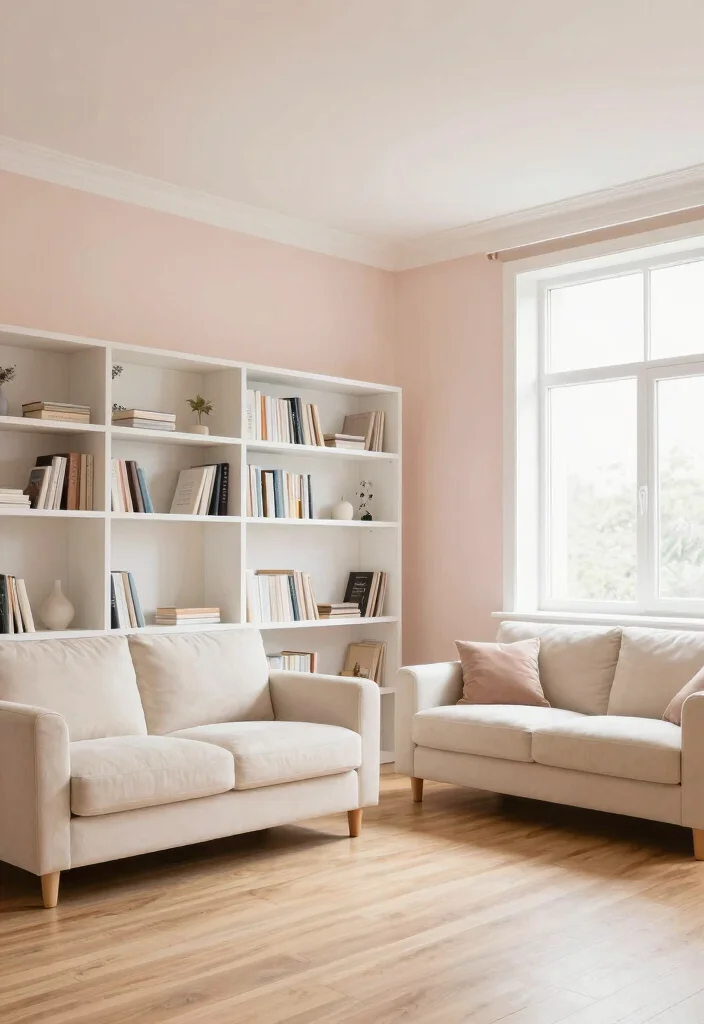
Using light colors in your home can dramatically influence how tall and spacious a room feels. Soft hues on the walls and ceiling bounce light around, making the space feel larger and more open. For an effective approach, consider painting your ceiling a shade lighter than your walls, creating a sense of height. Light pastels or crisp whites can lift the overall ambiance, while darker colors tend to bring the ceiling down visually.
To enhance this effect, think about these practical tips: A monochromatic color scheme can unify your space beautifully. Incorporating light-colored furniture keeps the area open and airy. Ground your design with darker floors that won’t overwhelm the lightness above.
Here are some strategies to elevate your color choices:
– Use soft colors on walls for a bright look.
– Choose light-toned furniture to maintain openness.
– Consider light curtains to allow sunlight to flow.
By mastering your color palette, you can create a harmonious and uplifting atmosphere in your low-ceiling rooms.
Recommended Products

[Package Contains]:The ceiling curtain track system includes 1x curtain track 9.8ft(3m), 26x track rollers,9x ceiling brackets, 2x end covers, 26x iron hooks, 9x drywall anchors, 9x screws.please feel free to contact us if you have any concern

ALL-IN-ONE TRACK KIT, READY TO INSTALL: No measuring, cutting, or splicing needed – this single-piece extendable curtain track adjusts from 5ft11/ 1.8m to 10ft9/ 3.3m. Complete with all hardware and a step-by-step guide, installation is quick and DIY-friendly. Perfect for both center-to-sides openings, and easily adjustable without assembling multiple track connectors.
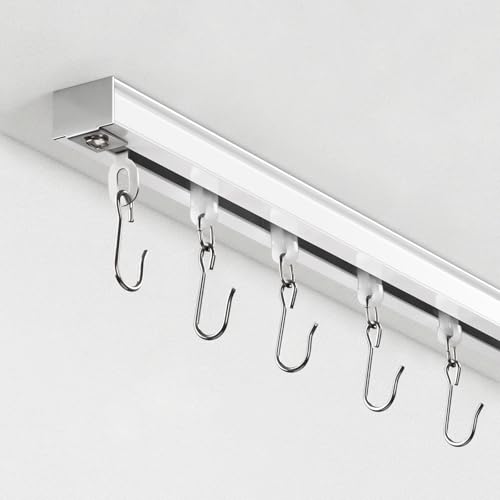
High Quality: Ceiling curtain track is made of top quality aluminum alloy, so don't worrying about rust. Sturdy and non bendable, it is used for simple and straight room structures.
3. Use Mirrors Strategically
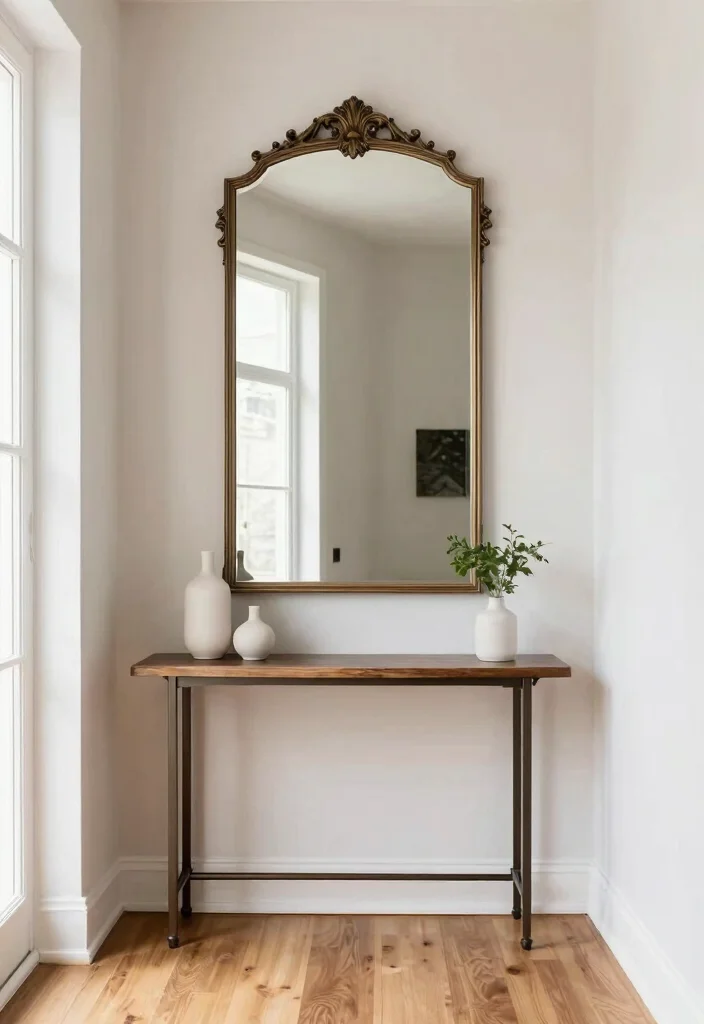
Strategically placed mirrors can work wonders in small spaces with low ceilings. They reflect light beautifully and create an illusion of depth, making your room feel taller and more spacious. Positioning a large mirror opposite a window maximizes natural light and enhances the bright, airy feel. Consider incorporating mirrored furniture or decor to amplify this effect, while tall, lean mirrors can help draw the eye upwards.
To effectively integrate mirrors into your design, keep these tips in mind: Use mirrors in narrow hallways or cozy rooms to create a sense of depth. Avoid placing mirrors where they might reflect clutter, as this can detract from the overall look. Pair mirrors with other vertical elements for a cohesive aesthetic.
Here are some mirror placement ideas:
– Hang a full-length mirror to enhance vertical lines.
– Use smaller mirrors as decor accents on shelves.
– Create a gallery wall of mirrors for added drama.
By integrating mirrors thoughtfully, you can elevate your space and cultivate a bright, welcoming atmosphere.
Recommended Products

3-Temperature Wall Sconces Set of 2: Enhance your home’s ambiance with this stunning set of two wall sconces. Offering three adjustable color temperatures—3000K for a warm, cozy glow, 4500K for a balanced, inviting atmosphere, and 6500K for a crisp, focused brightness—these wall lights are perfect for any activity. Whether you’re reading, working, entertaining, or unwinding, these wall sconces set the mood just right.

Swing Arm Wall Light: It's not just the ultra-functional swing arm that makes it a great fit— these plug-in wall sconces feature a 270-degree adjustable head, allowing you to adjust the light angle according to your need to achieve perfect brightness for your space

【Wall Sconce With 3 Colors Setting】The plug in wall sconce designed with 3 Color Modes: Warm White, Soft White, and Daylight White (3000K, 4000K, 6000K). You can change the On/Off Switch Different Modes creates a different atmosphere to meet your daily needs
4. Install Shelf Space Up High
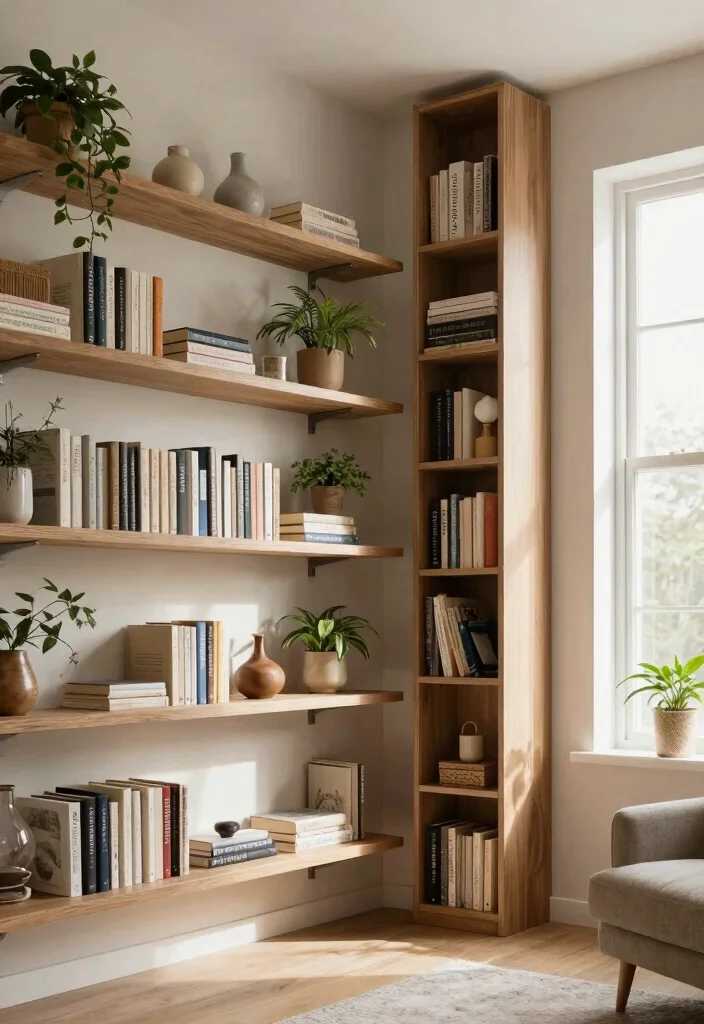
Maximizing vertical space with high shelves can significantly enhance the perception of height in your room. By installing shelves above eye level, you draw attention upward while providing practical storage solutions. Floating shelves are particularly effective, allowing you to display decorative items and books in a way that keeps the floor space clear and the room feeling larger. Tall cabinets or bookcases can also highlight vertical lines in the space.
Consider these practical storage tips to make the most of your high shelves: Reserve higher shelves for items you use less frequently. Use decorative bins to keep everything tidy and organized. Mixing and matching shelf sizes can create an engaging, playful look.
Here are some suggestions to optimize your shelving:
– Install floating shelves to display curated collections.
– Use tall bookcases to draw the eye upward.
– Incorporate decorative items that add visual interest.
Elevating your shelving not only declutters your space but also enhances the overall feeling of height and openness.
Recommended Products
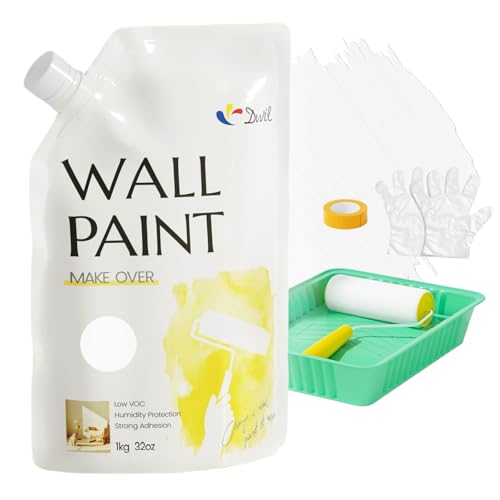
【No Prime Needed】- DWIL white wall paint offers excellent adhesion, bonding firmly to walls without needing a primer. Its durable formula resists scratches and scuffs, keeping walls fresh and new for longer
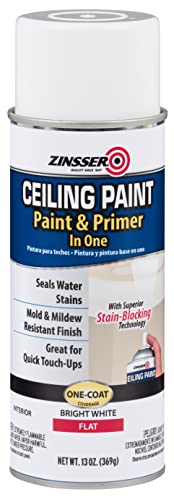
Ceiling spray paint blocks stains and primes interior surfaces for quick touch ups
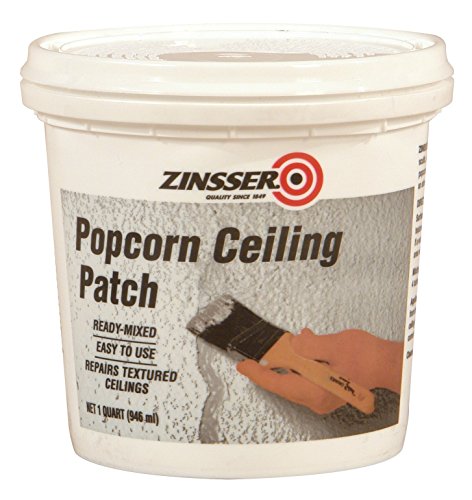
This product adds a great value
5. Choose Low Furniture
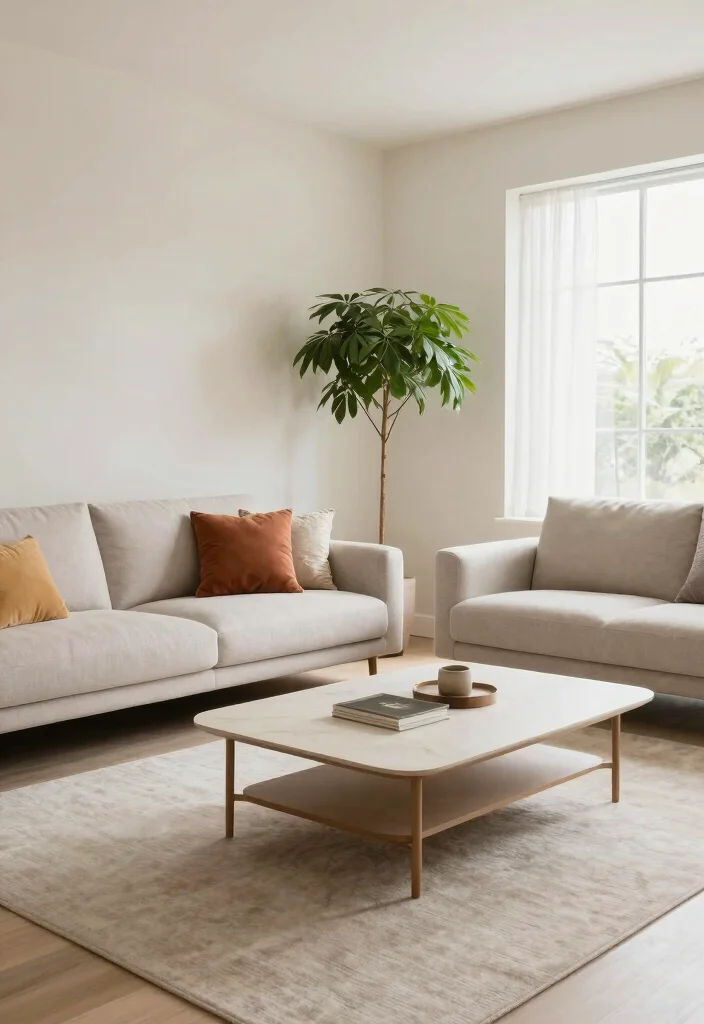
Low-profile furniture can revolutionize how your small space feels, especially with low ceilings. Opting for pieces that sit closer to the ground creates an illusion of height, allowing your eyes to travel upwards without obstruction. Sofas, chairs, and tables that are lower to the floor elongate the walls visually, enhancing the sense of space. Additionally, furniture with legs instead of solid bases allows for more visible floor area, further promoting an open feel.
To make the most of low furniture, keep these suggestions in mind: Seek out mid-century modern designs with sleek silhouettes. Use ottomans and poufs that can tuck under tables for flexible seating. Consider a low bed frame to maintain continuity in your design.
Here are some tips for selecting low-profile furniture:
– Choose sofas with low backs to maximize sightlines.
– Opt for light-colored upholstery that complements the space.
– Incorporate multi-functional pieces to enhance usability.
Selecting the right low furniture can help maximize your room’s height perception while providing comfort and style.
Choose low furniture to boost ceiling height visually. Opt pieces that sit close to the ground and on legs to reveal more floor space. With low-profile sofas and tables, your space reads taller and more open—perfect for small spaces with low ceilings.
Recommended Products

Product Information :Cohoo Home black and white striped wallpaper measures 17.7 inches by 118 inches, covering approximately 14.5 square feet per roll. Crafted with thickened PVC vinyl and provides strong coverage that completely conceals dark surfaces underneath –durable material resists tearing during installation. The black and white stripe pattern features a classic design

Exquisite Design: The wallpaper features a design centered around an off-white base with black vertical stripes. The alternating thick-and-thin stripes have a hand-painted texture, with naturally mottled edges and a rough, organic feel, forming a soft contrast with the off-white base that has a subtle fabric-like texture. The overall effect strikes a balance between vintage charm and modern simplicity, making it suitable for a variety of interior styles such as American vintage, French retro, and contemporary design. It brings a warm, sophisticated, and character-filled atmosphere to any space
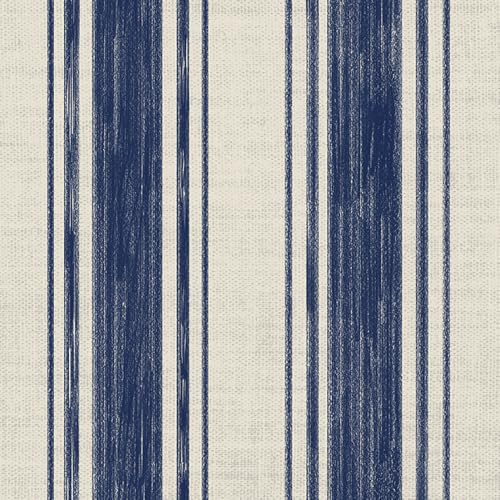
Exquisite Design: This wallpaper features an off-white fabric-textured base paired with indigo hand-painted style vertical stripes. The combination of alternating thick and thin vertical stripes creates a rhythmic visual effect. The blue stripes have a mottled texture and brushstroke details, forming a fresh vintage visual contrast with the soft off-white base. It suits a variety of interior styles, including French, American, rustic, and modern, bringing an elegant and relaxed atmosphere to any space
6. Hang Curtains High
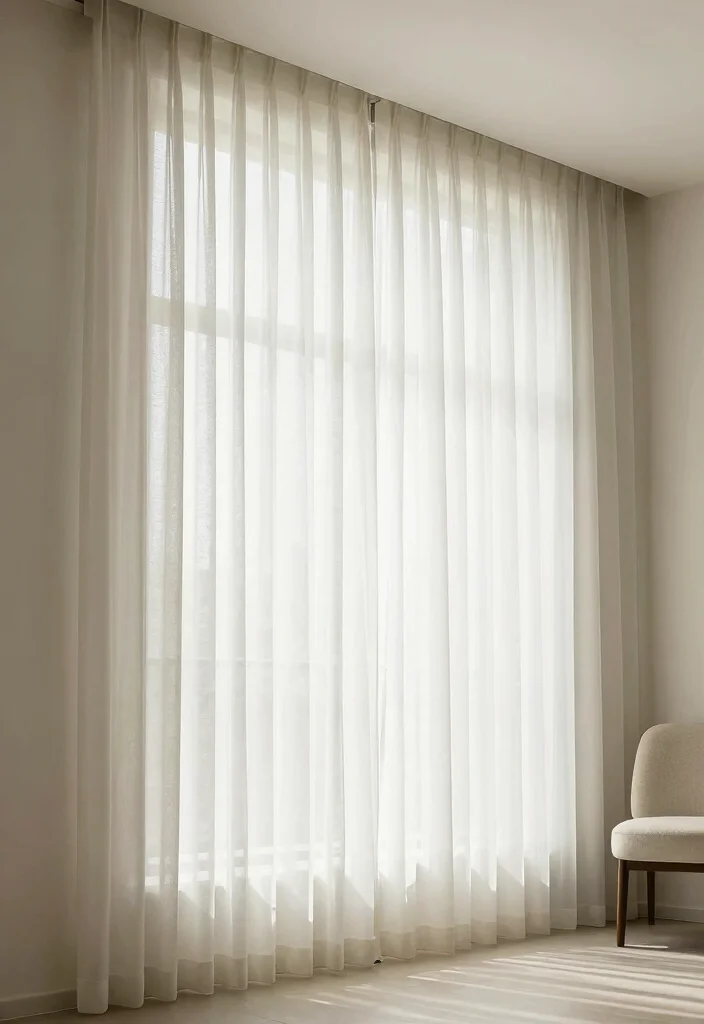
Curtains can dramatically affect how tall a room feels, making them a key element to consider. Hanging curtains closer to the ceiling instead of just above the window frame creates an illusion of greater wall height. Long, flowing curtains made from light fabrics like linen or sheer cotton allow for maximum light filtration, making the space feel open and airy. You can also choose curtains with vertical patterns to further enhance the height illusion.
To maximize the impact of your curtains, follow these hanging tips: Use curtain rods that extend beyond the window frame for added height. Opt for light colors or subtle patterns to keep the space feeling breezy. Layering with sheer curtains can provide depth without adding bulk.
Here are some ideas to elevate your curtain game:
– Hang curtains high above windows for maximum height.
– Use light, airy fabrics to enhance brightness.
– Choose rods that match the room’s decor.
High-hanging curtains can elevate your room’s overall aesthetic while minimizing the visibility of low ceilings.
Recommended Products

【CAPTIVATING FIND ON WALL】PACK OF 3. Measuring at about 12" Diameter with gold metal frame and 5" Diameter for the mirror alone. These metal artpieces work great alone, or as a set with other multiple matching wall decors.


Crystal Clear & Distortion-free: Sweetcrispy bathroom mirror delivers a high-definition reflection that captures every detail with true-to-life clarity. Whether you’re applying makeup, shaving, or getting ready for the day, you’ll see exactly what you need—no surprises
📹 Related Video: 5 Rules For Hanging Curtains & Common Mistakes to Avoid!
7. Create Open Spaces with Layout
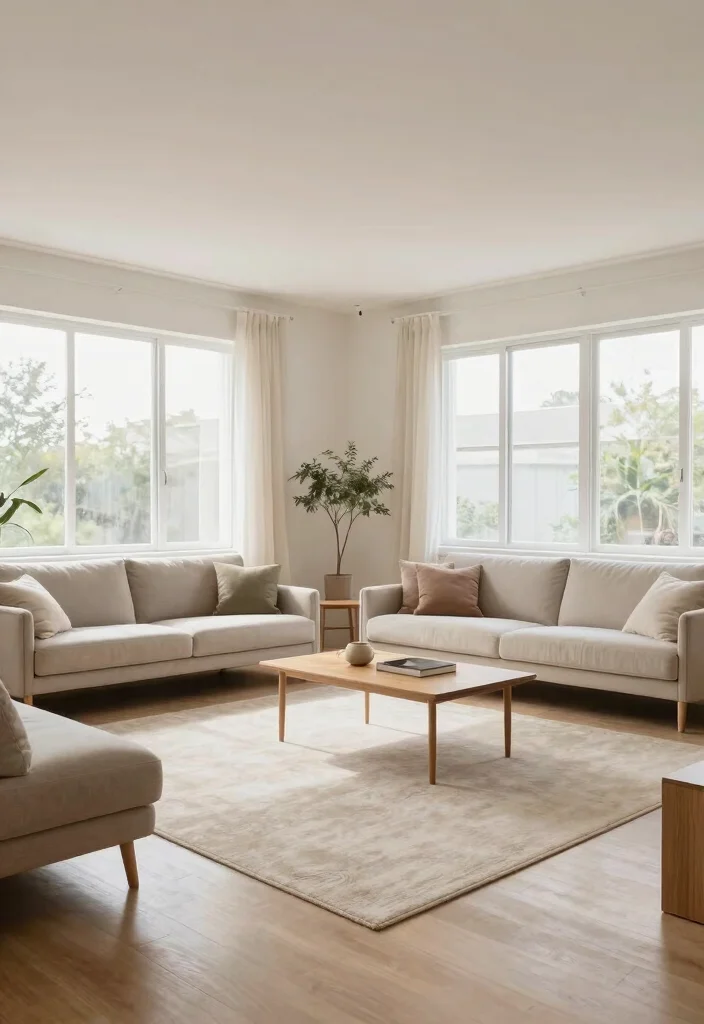
The arrangement of your furniture plays a crucial role in how spacious your room feels. Heavy, bulky furniture can close in a space, while an open layout fosters movement and a sense of freedom. Positioning furniture away from walls allows light to circulate and creates flow throughout the room. This not only reduces the feeling of confinement but also enhances the overall design.
To create an open layout, consider these practical tips: Use area rugs to define spaces without making them feel closed off. Keep pathways clear to facilitate easy movement. Choose furniture that doubles as storage to minimize clutter while serving functional purposes.
Here are some layout strategies to try:
– Arrange seating in a conversational layout for comfort.
– Use smaller tables to maintain openness.
– Keep decor minimal to avoid overcrowding.
An open layout can make your room feel larger and more inviting, which is especially beneficial for low-ceiling areas.
Recommended Products

- Custom Design Fabric:To reduce budget while keeping the linen/cotton organic characteristics,XTMYI R&D designer makes this stone-washed ultra soft yet linen look blended fabric - 20% cotton,20 linen,60% polyester.It drapes well,medium thick,airy and breathable in hot summer.
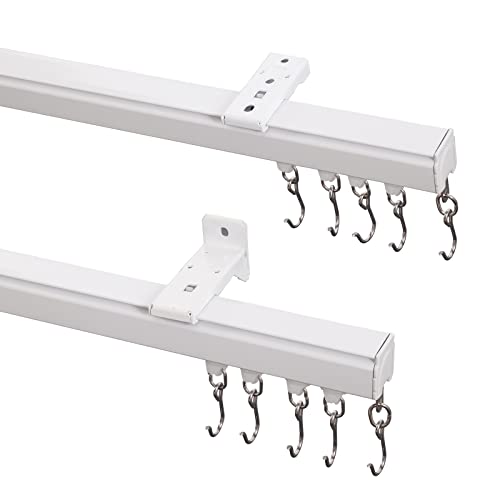
STURDY AND STABLE: Our curtain track is made of premium aluminum alloy, wear and corrosion resistant, and have a wall thickness of up to 1mm(vs typical 0.6mm), making it more robust and durable. It comes with thickened mounting brackets and sturdy screws to provide greater support and stability to the track. Stainless steel stamped connectors enable tool-free rail-to-rail connections without additional fasteners, ensuring efficient installation and secure performance.

Ceiling curtain track: metal heavy-duty curtain track, silent, smooth, anti-corrosion, will not bend and deform, can carry more weight, can be freely cut size, aluminum alloy material using high standard aluminum, smooth surface. If the ceiling is drywall, professional expansion plugs and extension screws are required.
8. Incorporate Vertical Plants
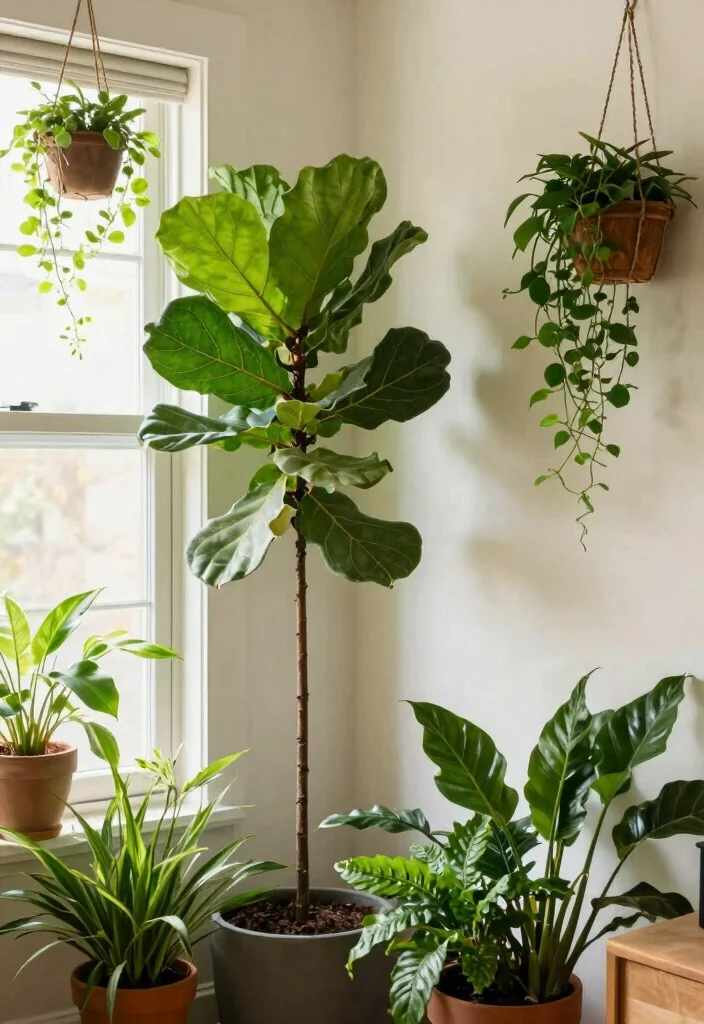
Adding plants to your decor can infuse life into any space, and for low ceilings, vertical plants are an excellent choice. Tall plants like fiddle leaf figs or snake plants naturally draw the eye upward, contributing to a sense of height within the room. Positioning taller plants in corners or utilizing vertical garden techniques can add layers of interest to your decor while effectively using vertical space. Hanging planters or wall-mounted pots can further enhance this effect.
To successfully incorporate vertical plants, keep these tips in mind: Select plants that thrive in your specific lighting conditions. Mix different heights and textures for dynamic arrangements. Avoid overcrowding; let each plant stand out as a focal point.
Here are some ways to incorporate vertical greenery:
– Use tall plants to create a striking visual impact.
– Hang planters at varying heights for interest.
– Choose lightweight pots to avoid overwhelming the space.
Adding greenery not only brings vibrancy but also enhances the overall spacious feel of your room.
Recommended Products

【Bulb Requirement】 : E26, Standard 110-120V USA sockets and 40W. the product is compatible with LED, CFL, incandescent, halogen bulbs. Note : the bulb in the picture Not in the package
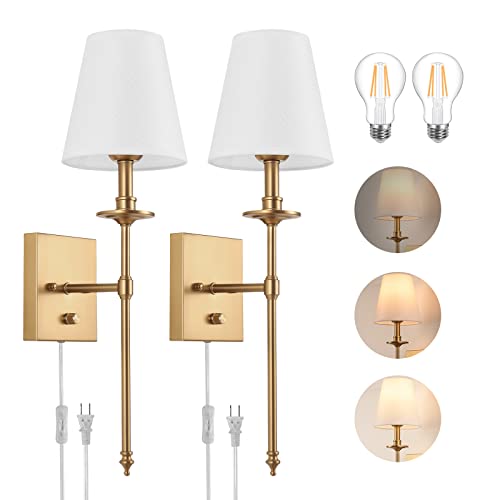
【𝐒𝐭𝐞𝐩𝐥𝐞𝐬𝐬 𝐃𝐢𝐦𝐦𝐢𝐧𝐠 𝐑𝐨𝐭𝐚𝐫𝐲 𝐒𝐰𝐢𝐭𝐜𝐡】Wall sconce with dimmer rotary switch, simply rotate the switch to adjust the brightness by stepless from 1% to 100%. Compared with no dimming function, this is more practical. Fully dimmable wall lamps to meet all your light needs. (𝐏𝐚𝐭𝐞𝐧𝐭 𝐍𝐨.: 𝐔𝐒 𝐃𝟗𝟗𝟏,𝟓𝟑𝟐 𝐒)

Rotatable swing arm design to help you achieve the ideal lighting output. 60 inches cord with on/off switch to suit different length requirements based on your mounting height.
9. Cut Clutter with Minimalism
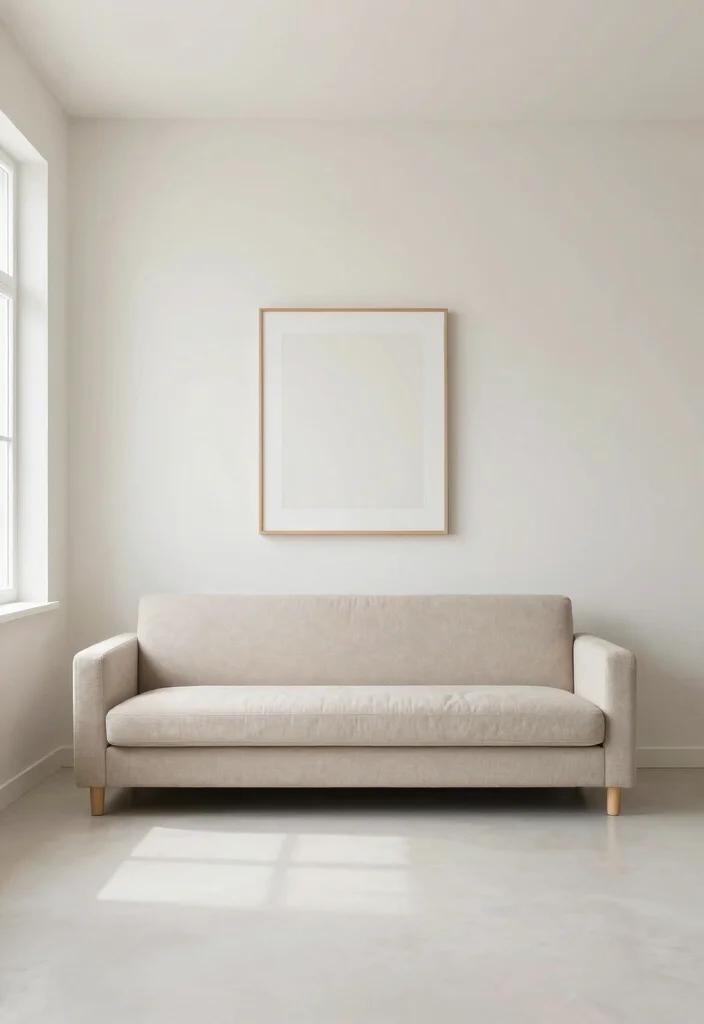
Minimalism goes beyond a design trend; it’s a transformative lifestyle that can make a huge difference in how a room feels. In areas with low ceilings, clutter can create a heavy, cramped atmosphere. By embracing minimalism, you can focus on key pieces that inspire joy and function, allowing for more visual space. Simplifying your items creates a serene environment that feels open and inviting.
To adopt a minimalist approach, consider these tips: Stick to a neutral palette with occasional pops of color for interest. Choose multi-functional furniture to reduce the number of items in your room. Regularly reassess and declutter to keep your space feeling fresh.
Here are some minimalist strategies to enhance your space:
– Use fewer decorative items to avoid clutter.
– Opt for streamlined furniture that complements the design.
– Keep surfaces clear for a more open look.
By embracing minimalism, you can elevate not just the aesthetics but also the perception of height in your low ceiling rooms.
How To Choose Low Ceiling Ideas That Feel Taller
When dealing with low ceilings, it’s crucial to make smart choices that create an illusion of height. Here are some important criteria to keep in mind while selecting ideas for your space.1. Color Palette Choose light colors for your walls and ceilings. Soft shades like whites, creams, and light pastels reflect light, making the room feel more open. Dark colors can make a ceiling feel lower and more cramped, so lean towards airy hues.
2. Furniture Height Select furniture that doesn’t overwhelm your space. Low-profile furniture creates a sense of spaciousness. Avoid tall bookcases or overstuffed sofas that can close in the area. Instead, opt for sleek, low furniture that allows for visual flow.
3. Ceiling Design Consider the design of your ceiling. Flat ceilings can feel oppressive, while details like coffered ceilings or beadboard can draw the eye upward. If you can, add subtle crown molding that adds height without being too bold or heavy.
4. Decor Choices Be mindful of your decor items. Use vertical elements like tall plants or elongated artwork. These draw the eye upward and create an illusion of height. Avoid heavy, bulky decorations that could weigh down your space and make it feel smaller.
5. Lighting Solutions Incorporate layered lighting to enhance the sense of space. Use recessed lighting or wall sconces that don’t take up floor space. A statement light fixture can also act as a focal point that makes the ceiling feel higher.
6. Open Layout Think about your furniture arrangement. An open layout makes a room feel larger. Avoid blocking spaces with furniture and create clear pathways. This openness helps trick the mind into perceiving more height and breathing room.
Pro Tip: Always test your ideas in smaller sections before committing to a full design overhaul. Use painter’s tape to outline where furniture and decor will go. This can help you visualize how changes will impact the overall feeling of your space!
With these tips, you can create a home that feels more spacious and welcoming, even under low ceilings. Focus on light colors, low furniture, and vertical elements to enhance height perception. Each choice you make contributes significantly to the illusion of space, allowing you to enjoy your small area more fully.
10. Use Layered Lighting
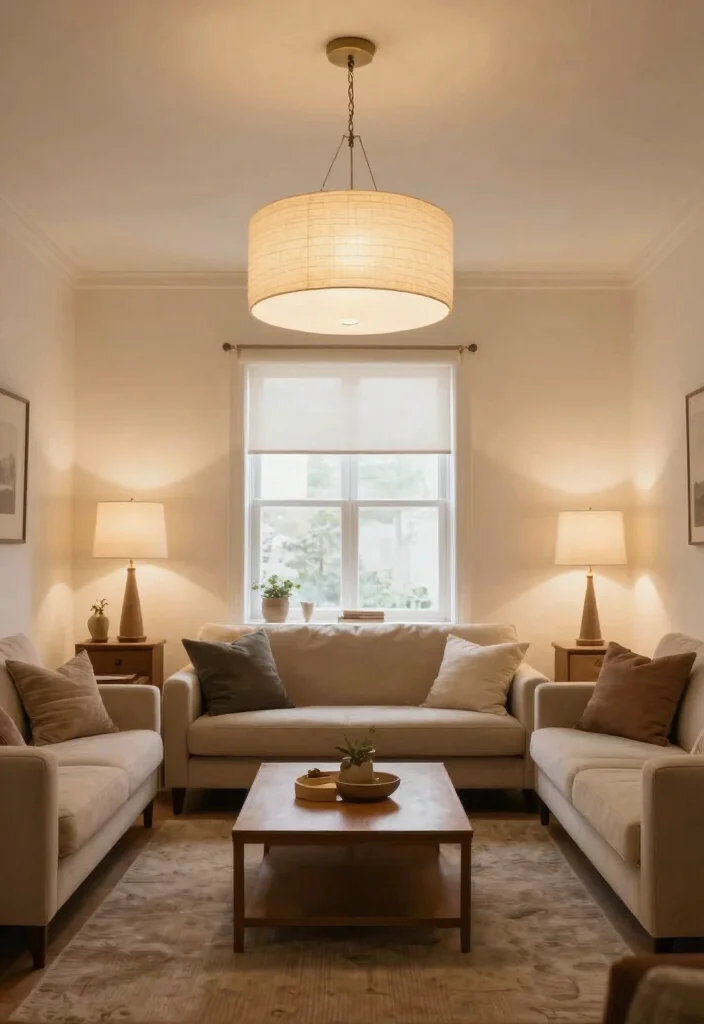
Layered lighting is essential in transforming a room, especially one with low ceilings. By using different types of lighting, you can create depth and make the area feel more expansive. Incorporate overhead lighting like pendant lights alongside table lamps and wall sconces to establish varying light levels. This layering technique enhances the overall atmosphere, drawing the eye upward for a taller sensation.
To effectively implement layered lighting, consider these tips: Select fixtures with open designs to maintain an airy feel. Place lamps on taller furniture to emphasize verticality. Warm-toned bulbs can add a cozy, inviting ambiance.
Here are some lighting strategies to explore:
– Use dimmers for adjustable lighting levels.
– Highlight artwork or decor with spotlights.
– Mix different lighting styles for visual interest.
By employing layered lighting, you can infuse warmth, style, and a greater sense of height into your home.
11. Embrace Open Shelving
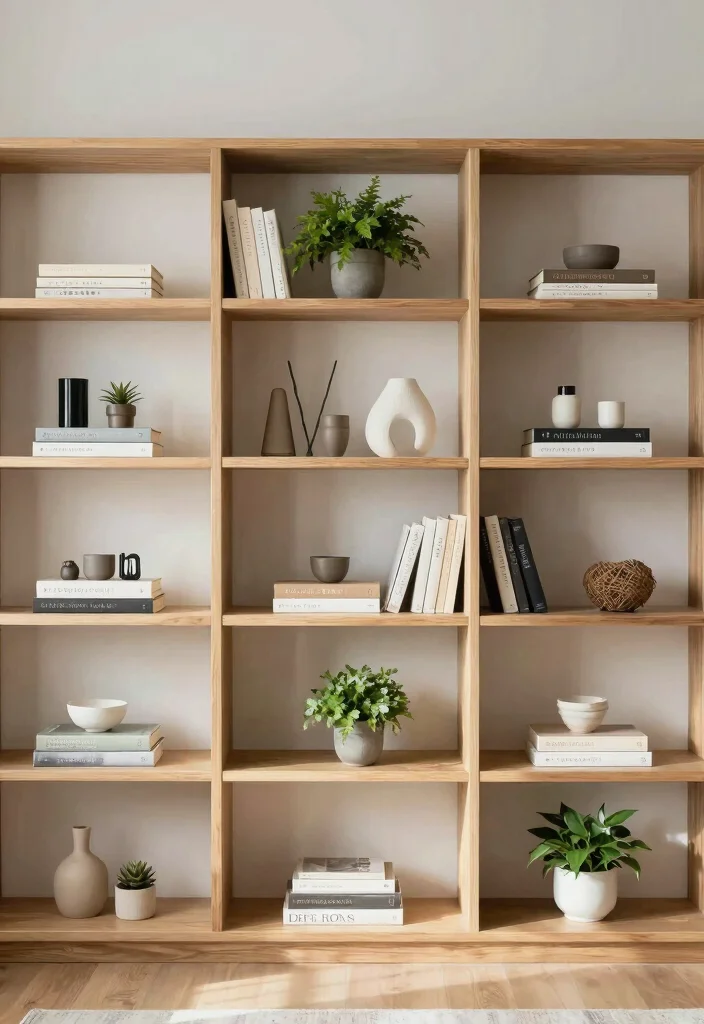
Open shelving is a versatile solution that can enhance various spaces, from kitchens to living rooms. This design trend offers easy access to items while creating an open feel within your area. When utilizing open shelves, opt for lightweight items that won’t overwhelm the visual space. Organizing items in a cohesive manner allows you to showcase books, plants, or decorative pieces that draw the eye upward.
To make the most of open shelving, remember these tips: Use the same material and color for shelves to create a unified appearance. Arrange items by height, placing shorter pieces at the ends and taller ones in the middle. Regularly rotate displayed items to keep the shelves looking fresh.
Here are some open shelving ideas to consider:
– Use open shelves in living rooms for decorative items.
– Incorporate shelves in bathrooms for easy access.
– Create a gallery wall with shelves to showcase personal items.
By embracing open shelving, you can enhance both functionality and the perception of height within your low ceiling rooms.
12. Utilize Architectural Features
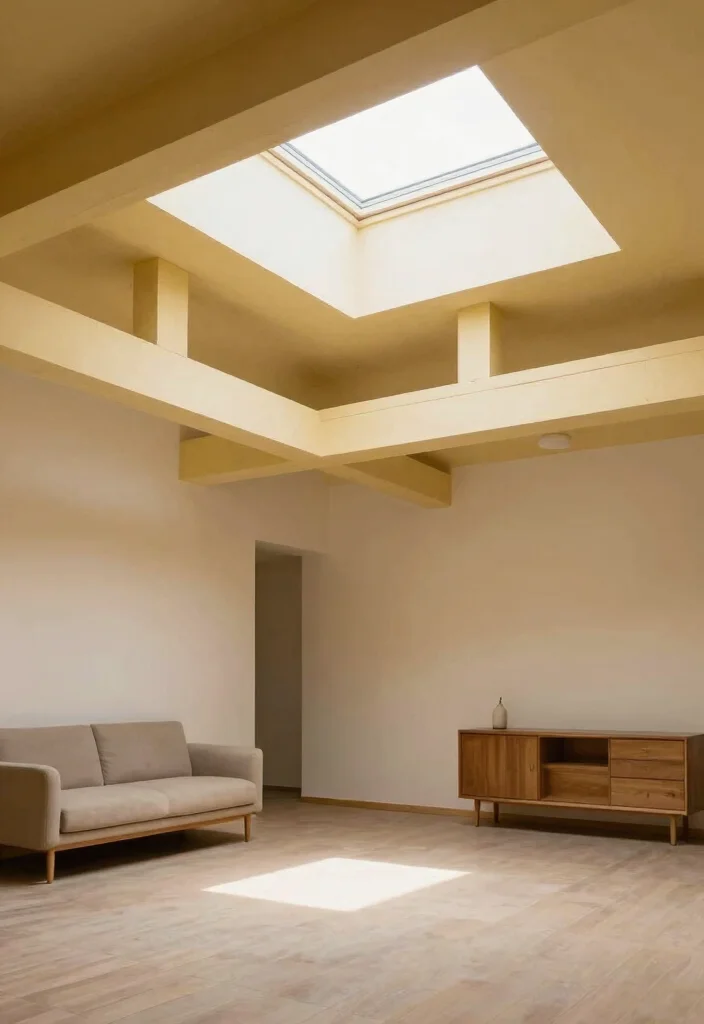
If your home boasts unique architectural features like beams or skylights, leverage these elements to enhance your space. Instead of hiding them, highlight these features to create focal points that contribute to a feeling of height. For instance, painting exposed beams the same color as the ceiling can create continuity, while skylights invite natural light and openness into the room.
To creatively incorporate architectural elements, follow these tips: Use color to emphasize or downplay features as desired. Add lighting that highlights these unique aspects. Decorate around these features instead of covering them up.
Here are some ideas to utilize architectural features:
– Paint beams to blend with the ceiling for a seamless look.
– Use spotlights to draw attention to architectural details.
– Showcase furniture around unique features for added interest.
By creatively utilizing your home’s architecture, you can elevate the space and give it a personal touch.
13. Integrate Multi-Functional Furniture
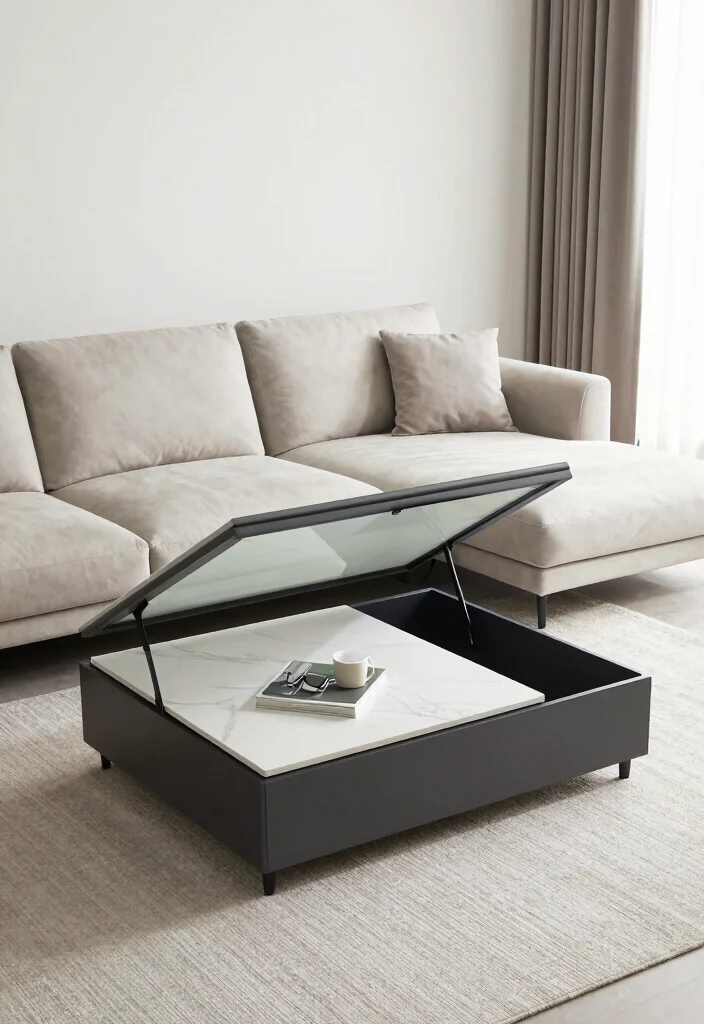
In small spaces with low ceilings, every piece of furniture should serve multiple purposes. Multi-functional furniture not only conserves space but also enhances practicality without overwhelming the room. Consider options like coffee tables that double as storage or a sleeper sofa for guests. Folding chairs and modular furniture can provide flexibility while keeping your area open and versatile.
To maximize the benefits of multi-functional furniture, keep these ideas in mind: Look for items that can slide under other furniture for easy storage. Choose pieces that adapt to various needs, ensuring functionality. Maintain a cohesive design to uphold visual appeal.
Here are some multi-functional furniture suggestions:
– Opt for ottomans that serve as storage and seating.
– Use a dining table that can extend for guests.
– Select nightstands with shelves for added storage.
By integrating multi-functional furniture, you can create a smart, stylish environment that maximizes potential in small spaces.
14. Choose Slim Furniture Legs
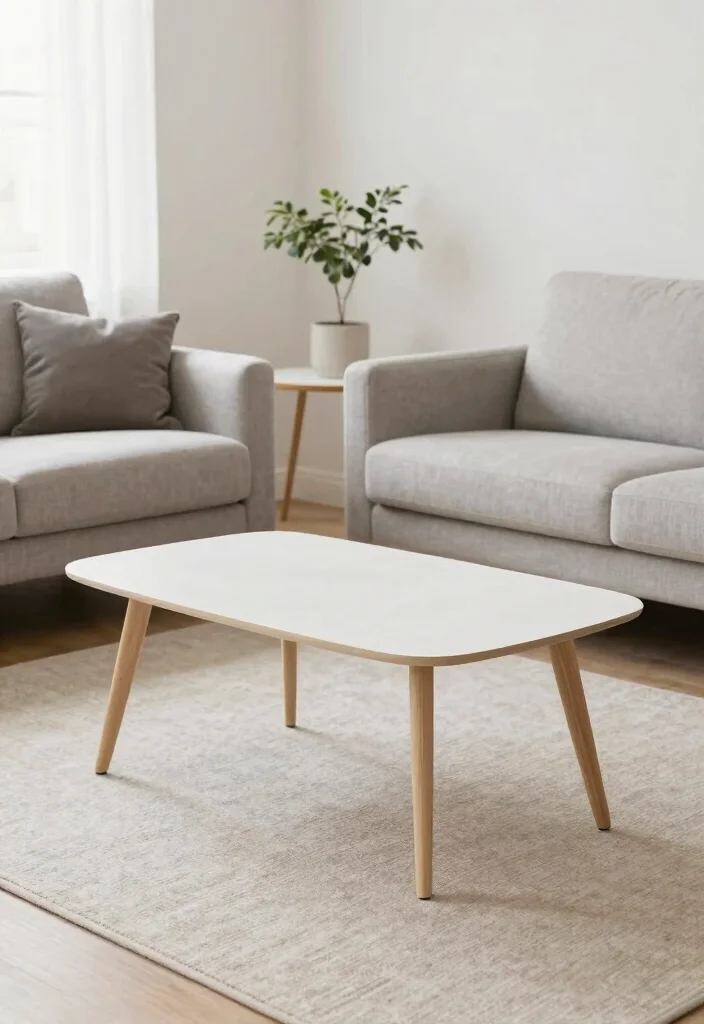
In spaces with low ceilings, bulky furniture can feel overwhelming. Opt for furniture with slim legs rather than solid bases, as this design choice allows for more visible floor space, enhancing the feeling of height in the room. Slim legs provide a lighter appearance, contributing to an airy atmosphere. This applies to sofas, chairs, tables, and beds. Light-colored legs can also promote a sense of openness and should blend seamlessly with your flooring.
To effectively choose furniture with slim legs, consider these tips: Look for mid-century modern designs that typically feature slender legs. Avoid heavy drapery that may block sightlines. Choose pieces that complement your overall design and color palette.
Here are some suggestions for selecting slim-legged furniture:
– Pick sofas with narrow legs to enhance visibility.
– Use light colors that match your decor scheme.
– Incorporate furniture that maintains a cohesive look.
By selecting furniture with slim legs, you can achieve an elegant, open feel in your low ceiling spaces.
15. Consider Ceiling Design
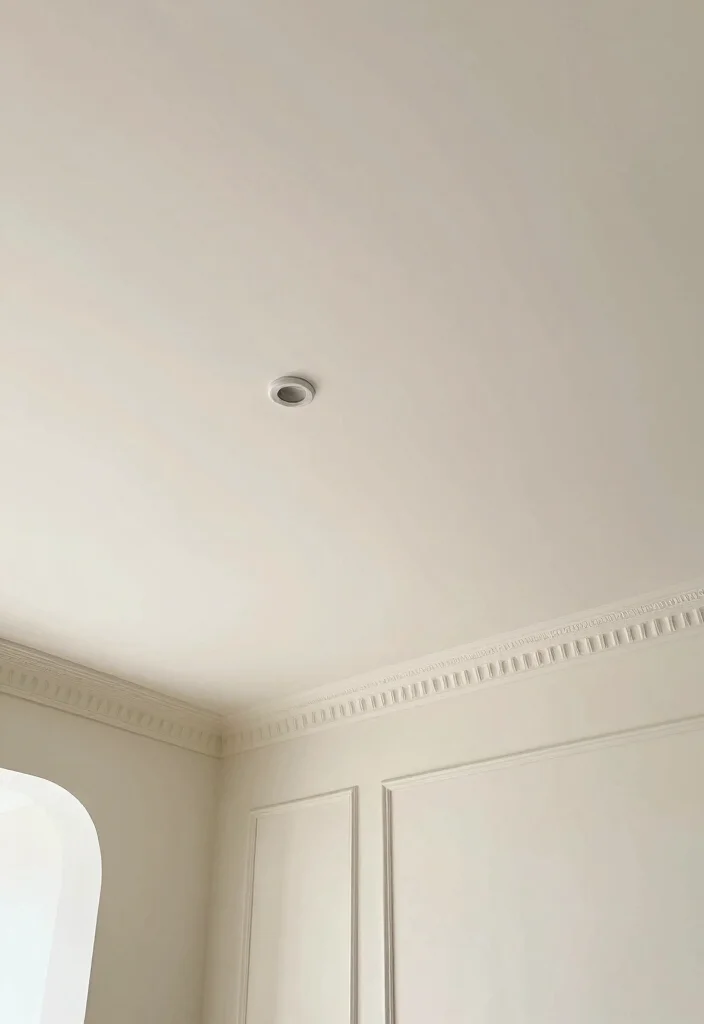
The design of your ceiling plays a vital role in creating a sense of height in a room. Adding crown molding or painting the ceiling a lighter color can contribute significantly to a more spacious atmosphere. Crown molding enhances the transition between walls and ceilings, creating an elegant look. Experimenting with textures or fun patterns can draw the eye upwards, adding to the height perception.
To effectively design your ceiling, keep these tips in mind: Use light colors to maximize the height effect. Consider a matte finish for a softer appearance. Avoid heavy or dark decorative elements that can drag the ceiling down visually.
Here are some ceiling design ideas to explore:
– Paint ceilings in light hues for a brighter effect.
– Add molding to create a sophisticated finish.
– Use textures to enhance visual interest without heaviness.
By focusing on ceiling design, you can significantly impact the room’s perception and create a more expansive environment.
16. Create Visual Layers
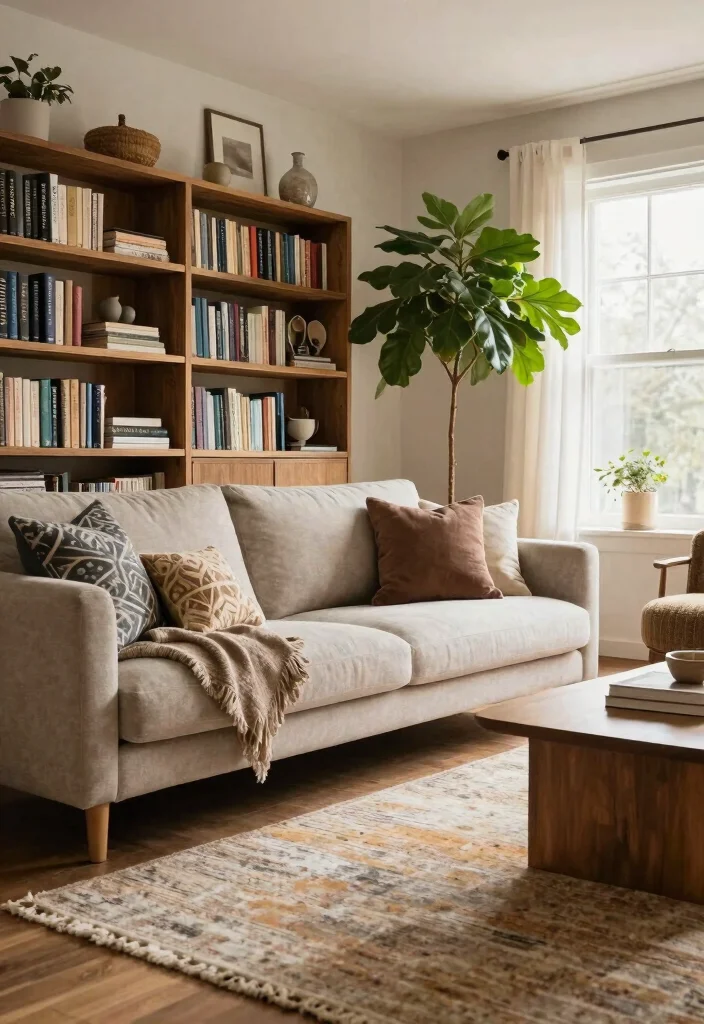
Incorporating layers into your decor adds depth and can enhance the airiness of a room with low ceilings. Layering involves mixing different textures, heights, and materials to create a visually engaging space. For instance, pairing a low sofa with a taller bookshelf and a tall plant produces a sense of verticality. Layering textiles through throws, cushions, and rugs adds warmth while keeping the decor visually interesting.
To master the art of layering, keep these tips in mind: Use a mix of textures to create interest without bulk. Maintain similar color palettes for cohesion. Arrange decor in odd-numbered groups for a more dynamic look.
Here are some layering ideas to consider:
– Combine different fabrics for a rich texture.
– Use varying heights for decor elements.
– Create a collage of items on a shelf for visual interest.
By mastering layering, you can create a lovely, inviting room that feels both spacious and thoughtfully curated.
17. Create a Focal Point
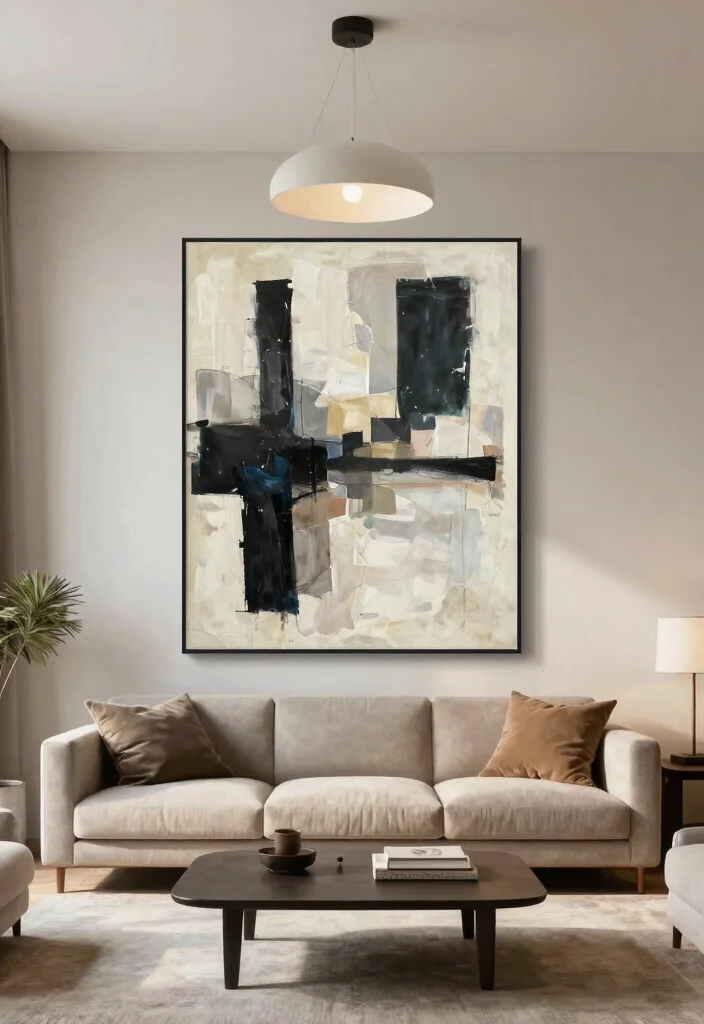
Creating a focal point in your room is a smart way to draw attention away from low ceilings. An eye-catching piece of art, a dramatic light fixture, or a striking piece of furniture can attract the gaze and redirect it upward. Choose a bold piece that contrasts with the surrounding decor to create impact, inspiring admiration and setting the tone for the entire space.
To effectively establish a focal point, keep these tips in mind: Select one statement piece to avoid overcrowding the area. Position artwork at eye level to maximize its impact. Use lighting to highlight your focal point and draw attention.
Here are some focal point strategies to explore:
– Choose colorful art that pops against neutral walls.
– Hang a large mirror to reflect light and create depth.
– Use unique lighting fixtures as a design statement.
By creating a focal point, you can add drama and excitement to your space, making low ceilings feel less constrictive and more curated.
Low ceiling ideas come to life with a single bold focal point. When a dramatic art piece or striking light draws the eye upward, the room feels taller and more inviting. Start with one statement piece to avoid visual clutter.
Conclusion
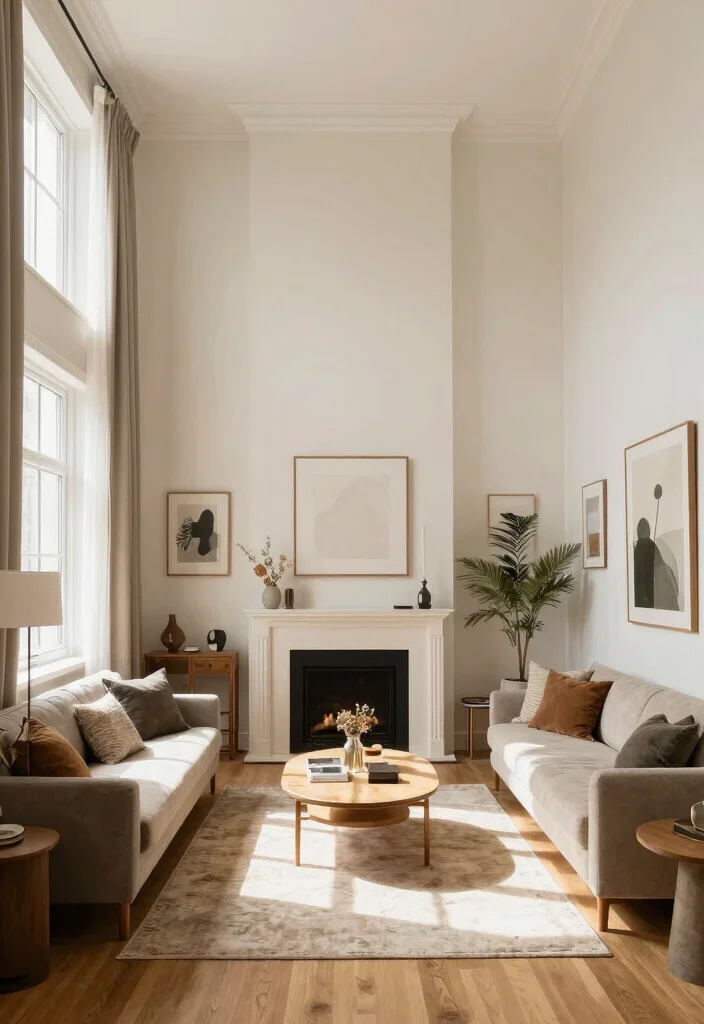
Transforming low ceilings into an asset rather than a limitation can be accomplished with the right strategies. By utilizing light colors, vertical designs, smart furniture choices, and creative decor, you can enhance your space and make it feel larger and more welcoming. Remember, home decor is a reflection of personal style, so don’t hesitate to experiment with these ideas and discover what resonates with you. Now, go ahead and make your low ceilings a standout feature in your home!
Frequently Asked Questions
What are the most effective low ceiling ideas to make a room feel taller?
Think light walls, smart lighting, and vertical moves. For low ceiling ideas, start with a bright, neutral color palette to reflect more light. Bring in small space decorating tactics like sheer window treatments and minimal clutter. Emphasize vertical space solutions with tall, slim shelving and floor-to-ceiling curtains that draw the eye upward. Use ceiling design tips like recessed lighting and a lighter ceiling color to boost maximizing height perception. Finish with furniture that has exposed legs and streamlined silhouettes to keep the floor feel open.
How can I maximize height perception in a small space without major renovations?
Start with a plan that reshapes vertical lines. Use a maximizing height perception mindset by painting walls a light hue and applying a slightly lighter ceiling. Install wall-to-wall mirrors or a large mirror to reflect light and create depth. Choose vertical space solutions like tall bookcases and wall-mounted storage. Place furniture away from the walls to create negative space and avoid bulk near the ceiling line. Finally, use ceiling design tips such as flush-mounted lighting and keeping crown molding to a minimum to keep the eye moving upward.
Which ceiling design tips work best for low ceilings in apartments?
In apartments, go with flush-mount lights and avoid heavy crown molding. Paint the ceiling a shade lighter than the walls to lift the ceiling visually, and keep the ceiling color consistent for a seamless look. Use ceiling design tips like recessed lighting or track lighting that runs along the room’s length to draw the eye upward. Add a large mirror or two to bounce light, and use vertical patterns in artwork or wallpaper to reinforce height without clutter.
What are budget-friendly vertical space solutions for small spaces with low ceilings?
Look for high-impact, low-cost upgrades that push attention upward. Install tall, slender storage and wall-mounted organizers to free floor space and create vertical intrigue. Use vertical space solutions like wall-to-wall shelving, pegboards, and hanging organizers. Choose furniture with slim profiles and ample leg clearance to keep the floor feeling open. Incorporate small space decorating tricks like light rugs and minimal accessories, then finish with well-placed mirrors to reflect light and amplify height.
How do color and lighting tricks maximize height perception in a room with a low ceiling?
Lean into a bright, cohesive color strategy: light neutrals on the walls and an even lighter ceiling to create a sense of vertical space. Layer lighting with ambient, task, and accent fixtures so light travels across the room rather than piling up in one spot. Add reflective surfaces, like glass or metallic accents, and position mirrors opposite windows to boost brightness and depth. Use ceiling design tips and home interior tricks such as avoiding heavy patterns and favoring vertical stripes in textiles to keep the eye moving upward, reinforcing maximizing height perception.
