
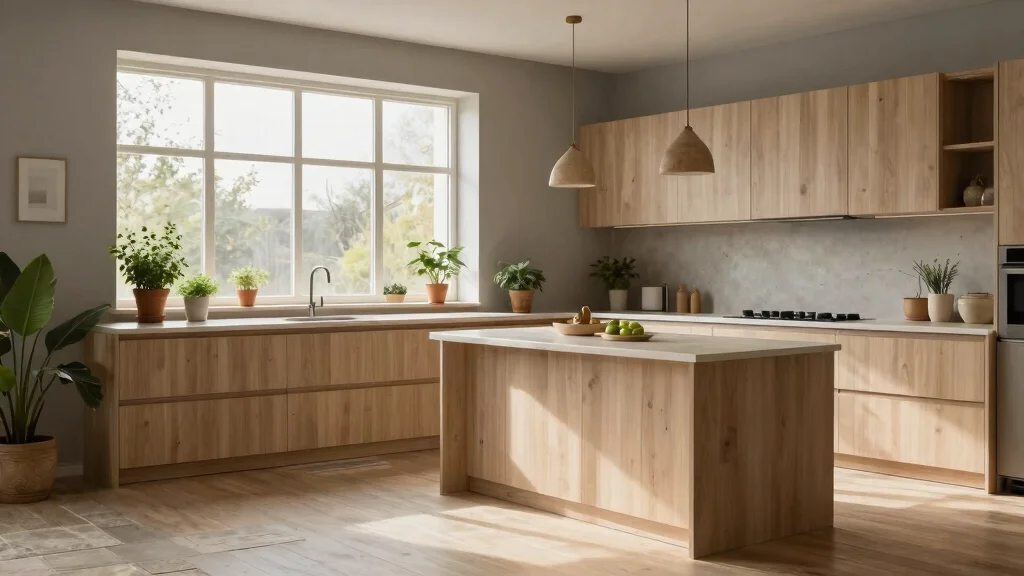


Creating a peaceful and inviting kitchen space can sometimes feel like an uphill battle. With the hustle and bustle of daily life, you might find yourself craving a serene environment that reflects simplicity and warmth. That’s why I’ve created this guide on kitchen lighting in the Japandi style. This blend of Japanese minimalism and Scandinavian coziness can transform your kitchen into a calming oasis, perfect for cooking, gathering, or just enjoying a quiet cup of tea.
If you love home decor that prioritizes both aesthetics and functionality, this post is for you. Whether you’re redesigning your kitchen or just looking to refresh it, you’ll appreciate how Japandi style lighting can enhance your space. Here, you’ll discover twelve practical ideas that focus on creating a calm, warm ambiance through smart choices in lighting fixtures. Each suggestion is designed to help you achieve that minimalist vibe without sacrificing comfort or style.
You’ll get inspired by creative lighting ideas that use natural materials, layered designs, and even smart technology. No matter your kitchen’s size or layout, these concepts will guide you toward a harmonious and balanced lighting scheme. So, grab a cup of your favorite beverage and let’s dive into the world of Japandi kitchen lighting!
Key Takeaways
– Focus on Minimalism: Japandi style lighting emphasizes clean lines and simplicity, making it easier to create a clutter-free atmosphere. Look for fixtures that blend seamlessly into your kitchen design.
– Incorporate Warmth: Use warm light bulbs to ensure comfort and coziness. This small change can create a welcoming environment, perfect for family gatherings or dinner parties.
– Layer Your Lighting: Combining ambient, task, and accent lighting adds depth and functionality. Each layer serves a purpose, from brightening workspaces to creating a soft glow for relaxation.
– Choose Natural Materials: Fixtures made from wood, metal, or bamboo will enhance the natural look of your kitchen. These materials resonate with the Japandi aesthetic and promote sustainability.
– Experiment with Shapes and Designs: Unique lighting shapes can serve as focal points while maintaining a minimalist look. Consider pendant lights or lanterns that add character without overwhelming your space.
Recommended Products
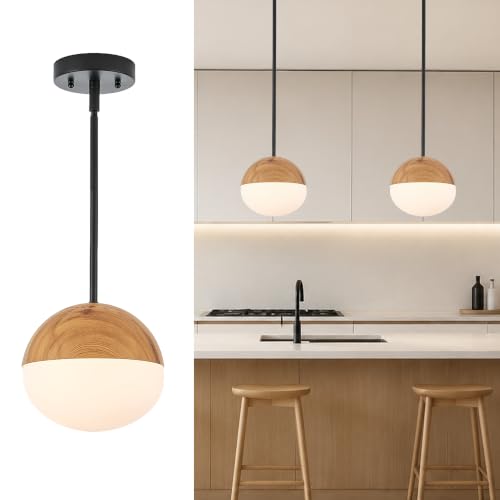
【Soft Modern Glow with Milk white Glass】The ELYONA pendant light pairs a milky white glass shade with a warm natural wood grain accent metal, creating a balanced look for modern, bauhaus, natural, farmhouse, transitional, and minimalist interiors. The 7.8 inch glass shade helps spread light in a soft, even way, so the fixture feels decorative without looking heavy over a kitchen island, dining table, nightstand area, entryway, vanity, or reading corner. Its simple single-light shape works well alone in compact spaces or in multiples over a long counter, giving your room a refined focal point with comfortable everyday illumination.

【 Modern Nordic Wabi Sabi Design 】Inspired by Scandinavian and Wabi-Sabi aesthetics, this chestnut-shaped pendant light features a refined faux pine wood grain top with natural knot details and a soft light brown Morandi tone with a subtle eggshell luster metal shade, hue that complements natural wood furniture, creamy walls, and modern white kitchens, bringing a touch of cozy organic elegance to your space. this fixture perfectly embodies the "Warm Minimalism" and Japandi movements.
1. Minimalistic Pendant Lighting
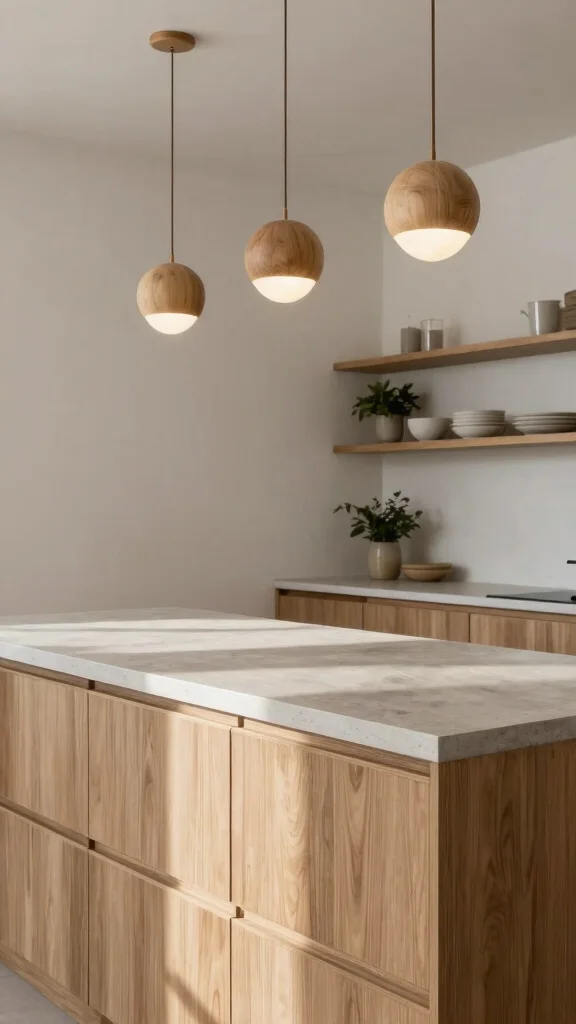
Minimalistic pendant lighting serves as a signature element in Japandi kitchens, blending form and function seamlessly. These elegant fixtures hang above kitchen islands or dining areas, casting focused light that enhances the entire space. Their simple silhouettes often feature natural materials like wood and metal, which perfectly complement the tranquil design ethos of Japandi style, creating a clutter-free and serene atmosphere. A single pendant or a cluster of lights can serve as a captivating focal point, adding charm without disrupting the calm vibe of the kitchen.
To enhance your kitchen’s illumination, consider incorporating dimmable fixtures for added versatility. This allows you to adjust the brightness to match different occasions, whether it’s bright light for meal prep or soft, inviting lighting for dinner gatherings.
Here are some tips to maximize your pendant lighting experience:
– Pair simple wooden pendants with neutral cabinetry.
– Install multiple fixtures at varying heights for visual interest.
– Use soft, muted colors to maintain a soothing environment.
This thoughtful approach not only elevates the kitchen’s aesthetic but also creates a harmonious balance of textures and materials that enhance the overall design.
Recommended Products

Smooth Dimming Performance: Customize your lighting with smooth dimming from 10%–100% to create the right ambiance for everyday activities. The 2700K soft white light delivers a warm and comfortable atmosphere for living spaces.
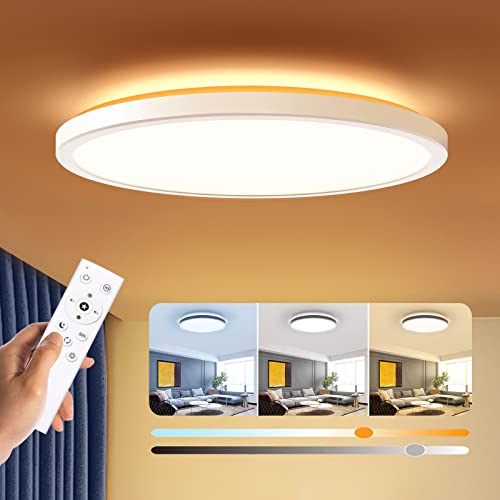
【3 CCT Change & Equipped Remote】BLNAN ceiling lights with remote control change the color temp. anytime and anywhere during use without repeatedly removing and installing. Using other hardwired flush ceiling lights on the market, you may need to pre-set the color before installation. 3-light-color option (3000K to 6500K) meets people's lighting needs. One same led flush mount ceiling light emits different light in different rooms, like bright cool light in the study or warm light in the bedroom.

Sunco 12 Pack BR30 LED Bulb Flood Light, E26, 11W=65W, 5000K Daylight
2. Soft Ambient Lighting
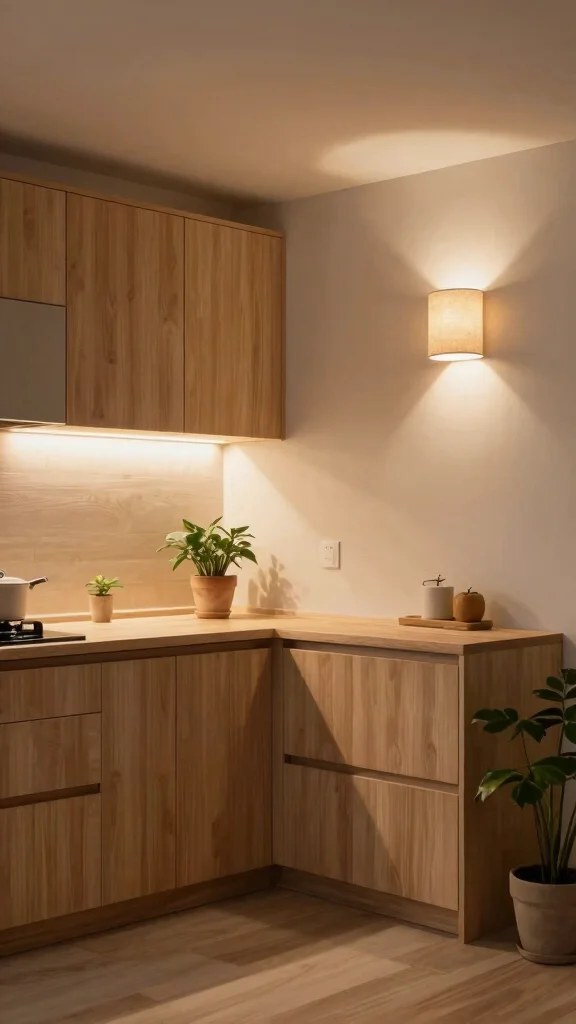
Soft ambient lighting is essential for cultivating the serene atmosphere that defines Japandi style. This type of lighting envelops the kitchen in a gentle glow, making the space feel inviting and warm. To achieve this effect, consider concealed lighting solutions such as LED strips under cabinets or above shelves, which provide a soft, practical illumination. These lights can highlight the kitchen’s design while ensuring an energy-efficient option that avoids harsh lighting.
Layering in wall sconces made from natural materials like bamboo or fabric can further enhance the warm ambiance, offering both functional and aesthetic benefits. This combination will help create a welcoming environment perfect for cooking and entertaining.
Keep these points in mind:
– Use dimmable options for adjustable brightness.
– Maintain simple fixture designs to uphold minimalism.
– Strive for layered lighting to illuminate different kitchen zones.
Incorporating these elements will boost the kitchen’s inviting nature, creating a cozy and harmonious space.
Fun fact: LED strip lighting under cabinets uses up to 80% less energy than traditional bulbs. This makes kitchen lighting japandi feel warm and calm without raising bills.
Recommended Products

Design: Bamboo, Wood, Natural and Rustic

DESIGN: Bamboo, Metal, Elegant and unique design style

✦Warranty: 3 years. This Modern LED Bamboo Pendant Light is perfect for Living rooms, Dining room, Foyer, Bar, Coffee Shop, Restaurants, Hotel, Mall and so on,offering you a better feeling of life.
3. Recessed Lighting
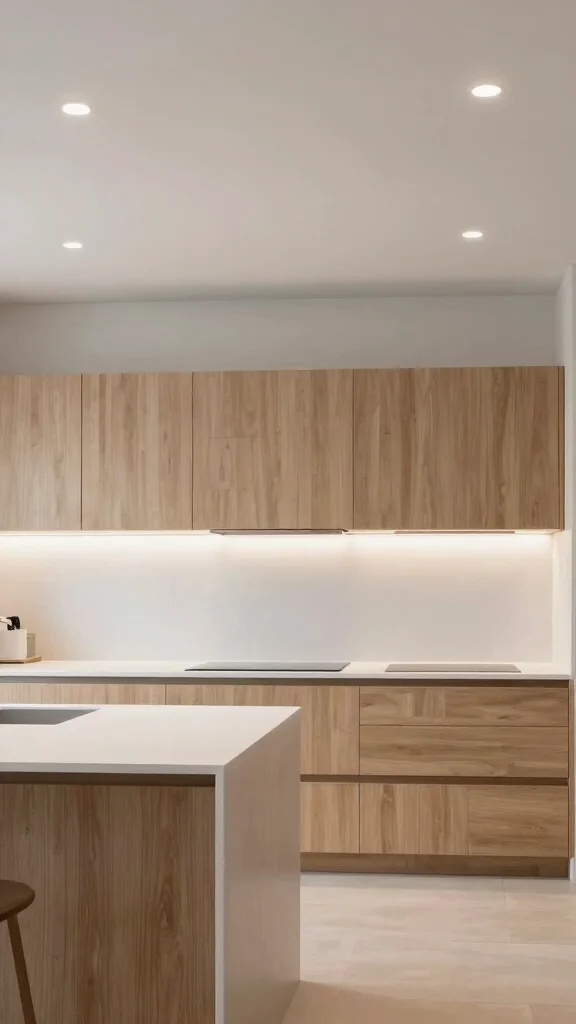
Recessed lighting is a fantastic choice for achieving a clean, uncluttered appearance while ensuring ample illumination in your kitchen. Installed directly into the ceiling, these lights offer a seamless look that aligns perfectly with the principles of Japandi design. Strategically placed recessed lights can brighten your kitchen without disrupting its aesthetic, making them ideal for large or open-concept spaces where even light distribution is key.
Opt for warm white bulbs to maintain a cozy ambiance while ensuring the kitchen remains functional for cooking and socializing. This approach combines practicality with the calming essence characteristic of Japandi style.
Here are some pro tips for incorporating recessed lighting:
– Space fixtures evenly to eliminate dark spots.
– Use dimmers to create the ideal atmosphere for various occasions.
– Choose fixtures with trim styles that complement your existing decor.
By employing recessed lighting effectively, you enhance both the functionality and aesthetic appeal of your kitchen.
Recommended Products

👍MODERN AND ELEGANTE CHANDELIER: This island lights for kitchen is made of high-quality metal and durable glass shade. With a sturdy metal frame, anti-rust and no need to worry about getting oxidation. This elegant linear chandelier perfects for dining room or kitchen island, it can be diffuse the light softly, add an exquisite luxury and modern aesthetic to your home

【Super unique mesh design】:Indoor modern kitchen island lighting looks sleek and stylish, blending perfectly with any home style. The K9 crystals throw off bright but soft light, making it the star of whatever room it’s in.

【Farmhouse Style Pendant Light Fixture】3-light pendant lighting for kitchen with solid wood and black metal finish suit for modern and industrial style. Farmhouse dining table light fixtures with diamond metal shades create a relaxing atmosphere that adds vibrant vibe to any room, especially for kitchen island, dining room, kitchen, dining table, living room, restaurant and more.
4. Natural Material Fixtures
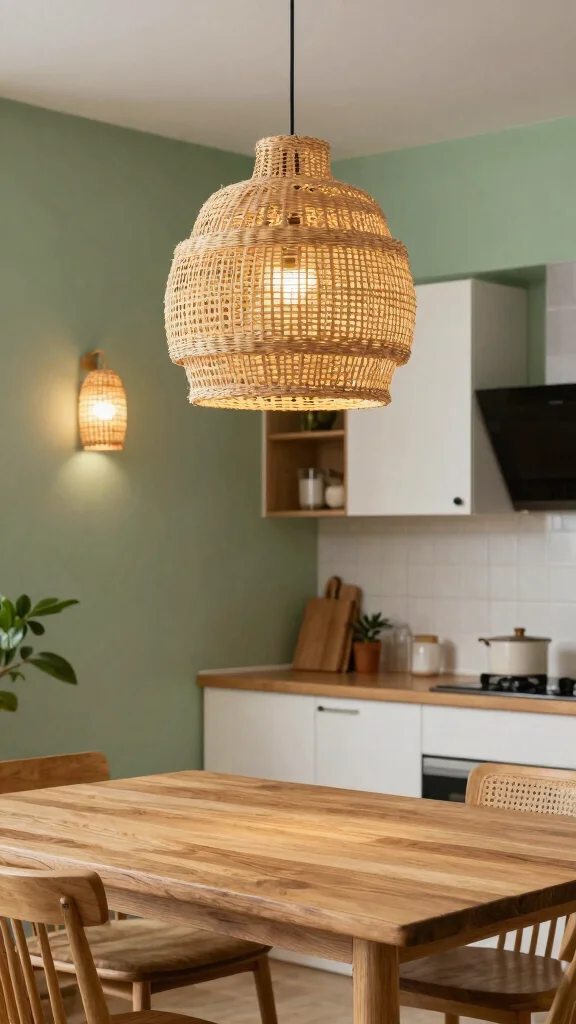
Lighting fixtures crafted from natural materials embody the essence of Japandi style, connecting your kitchen to nature while fostering a warm ambiance. Options like wooden chandeliers and rattan pendant lights not only introduce texture but also reflect the organic tones central to both Japanese and Scandinavian design philosophies. When selecting your fixtures, focus on timeless materials that will remain relevant and appealing over the years.
Consider designs that allow light to filter softly through, such as lantern-style sconces, which create beautiful shadows and highlights throughout the kitchen. This technique enhances the minimalist aesthetic while promoting a sense of tranquility.
Remember these tips:
– Choose fixtures that blend with existing cabinetry and decor.
– Look for sustainable materials that align with eco-friendly values.
– Experiment with shapes and sizes for a personalized touch.
These natural elements will enrich your kitchen’s atmosphere, emphasizing warmth and simplicity.
Recommended Products

No wires or light bulbs included: You will receive a 20-inch white linen lampshade. It can replace paper lanterns but is more durable and easier to clean.Inspired by Isamu Noguchi's paper lanterns, this design replaces paper with linen—eliminating the risk of tearing while better aligning with minimalist and naturalist home aesthetics.

WITHOUT WIRE AND BULB:You will receive a 20-inch handcrafted linen lampshade, which is more durable than paper lanterns and will not tear easily.Inspired by Isamu Noguchi's paper lanterns, this design replaces paper with linen—eliminating the risk of tearing while better aligning with minimalist and naturalist home aesthetics.

Innovative Design & Versatile Setup: (Please note: bulbs and electrical components are not included.) Our set includes two heart-shaped lampshades, each measuring 20" in diameter and 14" in height. You can use both together for a cohesive, dynamic look or separately to add a unique touch to different spaces. Installation is quick and simple—just insert the support frame, and you're ready to go!
5. Adjustable Task Lighting
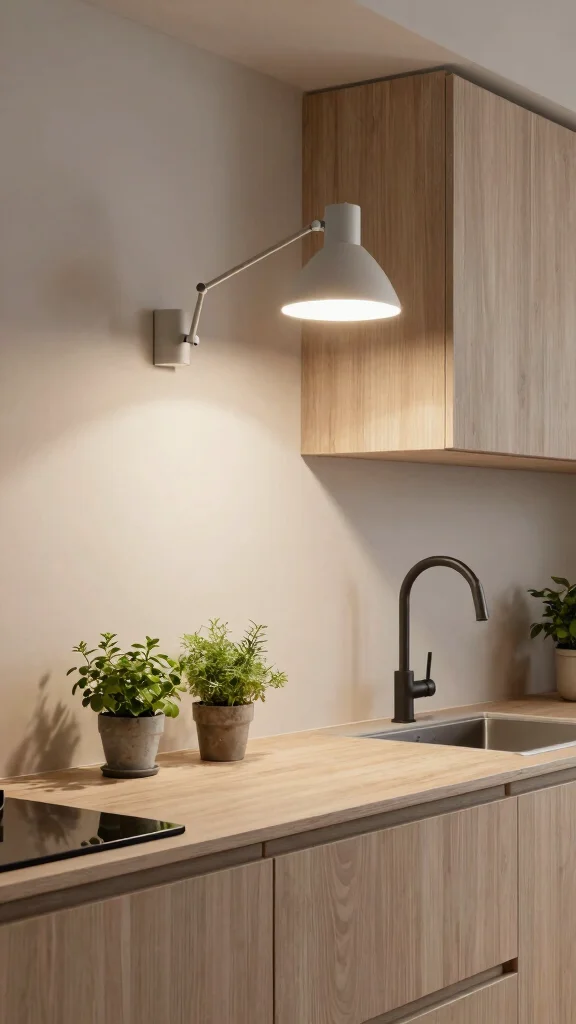
Task lighting is vital in the kitchen, especially in work areas like countertops and cooking spaces. Japandi style emphasizes functionality without compromising beauty, making adjustable task lights a perfect fit. Position these fixtures near the sink or stove where focused light is essential. Wall-mounted or articulated arm lamps provide flexibility, allowing you to direct light exactly where you need it for cooking, prepping, or even reading recipes.
Choose designs that embody simplicity and muted colors, ensuring they blend seamlessly with your overall decor while providing the necessary illumination. This thoughtful selection enhances the kitchen’s usability without overpowering its aesthetic.
Here’s how to optimize your task lighting:
– Opt for LED bulbs for energy efficiency.
– Consider lighting that complements existing fixtures for a cohesive look.
– Ensure lighting is bright enough for precision tasks without feeling harsh.
This approach guarantees both practicality and beauty in your kitchen environment.
Recommended Products

Wabi-Sabi Aesthetic: Inspired by the Japanese philosophy of embracing imperfections, this stone pendant light showcase the natural beauty and authenticity of marble. The warm, earthy tones of yellow travertine marble create a cozy and inviting ambiance, adding a touch of sophistication.

WHY CHOOSE ELYCCUPA: High-cost wicker with high quality cotton + double-sided for total four-layer dense hand weaving = no gaps, no wrinkles, and no visible frames when turn on; Beware: most of the other use low cost fabric with no or artificial cotton, and less than 4 layers hand woven to save costs, looking terrible when lit; Our brass hardware is top-grade, not cheap metal gold here. Quality worth every penny—see the difference!

【Minimalist Organic Aesthetics】Elevate your living space with this versatile light fixture, which masterfully blends Wabi Sabi’s raw, imperfection-focused charm with the clean minimalism of Japandi and Nordic design. Its earthy, organic silhouette pairs seamlessly with boho, modern farmhouse and natural home decor schemes, making it a striking focal point for nearly any room in your home.
6. Layered Lighting for Depth
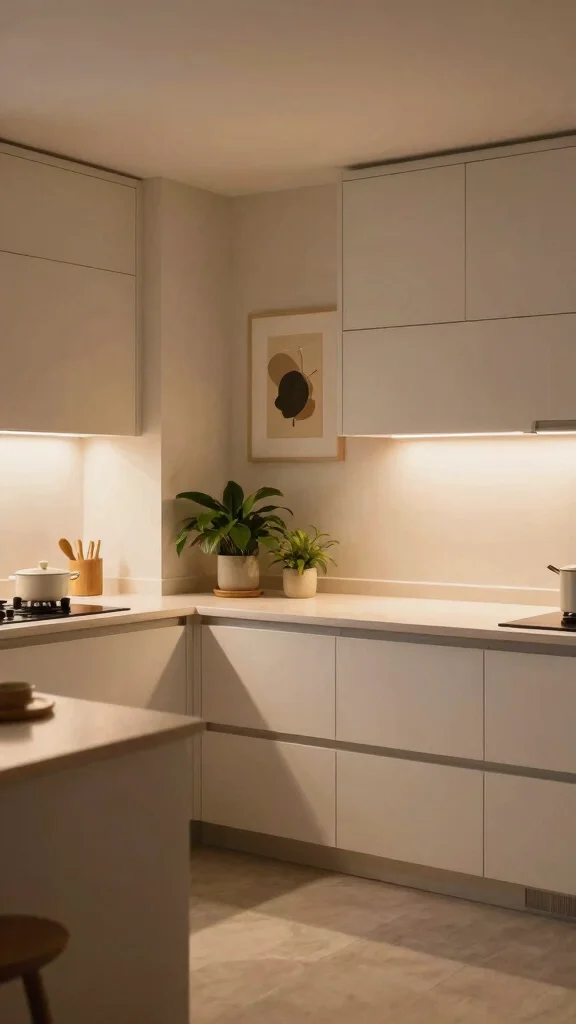
Creating depth in your kitchen lighting is crucial for transforming the space into a cozy retreat. Layered lighting combines various types of illumination—ambient, task, and accent—to provide a well-rounded and versatile atmosphere. Begin with ambient lighting as your foundation, then add task lights for meal prep areas, and finish with accent lighting to highlight unique architectural features or decorative elements.
This multifaceted strategy allows you to tailor the mood for different activities, whether hosting a lively dinner party or enjoying a quiet evening at home. Incorporating dimmers across all lighting types enhances this flexibility, making transitions seamless.
Consider these points:
– Maintain uniform light levels to avoid harsh contrasts.
– Use accent lighting to showcase artwork or plants effectively.
– Ensure a cohesive design with similar styles throughout.
This thoughtful layering elevates your kitchen’s ambiance, creating a welcoming and sophisticated space.
Recommended Products
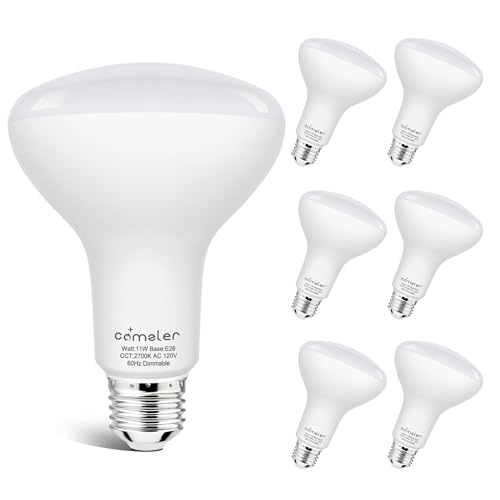
2700K Warm White & Inviting Ambiance for Your Living Space: Transform your home with the cozy glow of 2700K Warm White light from these BR30 LED bulb. Emitting 850 lumens of cozy, ambient light, these recessed light bulbs are the perfect energy-efficient replacement for traditional 65W incandescent bulbs—using only 11 watts of power while delivering the same beautiful warmth you love. Ideal for living rooms, bedrooms, and kitchens, they help set the perfect mood for relaxing evenings or gathering with family and friends.

Replacement Soft White Bulbs: Make your home more energy efficient with our soft white LED light bulbs; Relax HD Light Bulbs offer a warm, soft white light that is perfect for comfortable moments and cozy spaces

Excellent Quality without Flicker: Brightever light bulbs have passed rigorous testing standards - are free of harmful substances such as mercury and lead, and will not produce UV and IR radiation. That also means, our bright white light bulbs are Eco friendly bulbs that can help to save the planet you live on. No flicker, strobe or glare, our 40 Watt Equivalent light bulbs emit a stable light to better protect your eyes.
7. Unique Shapes and Designs
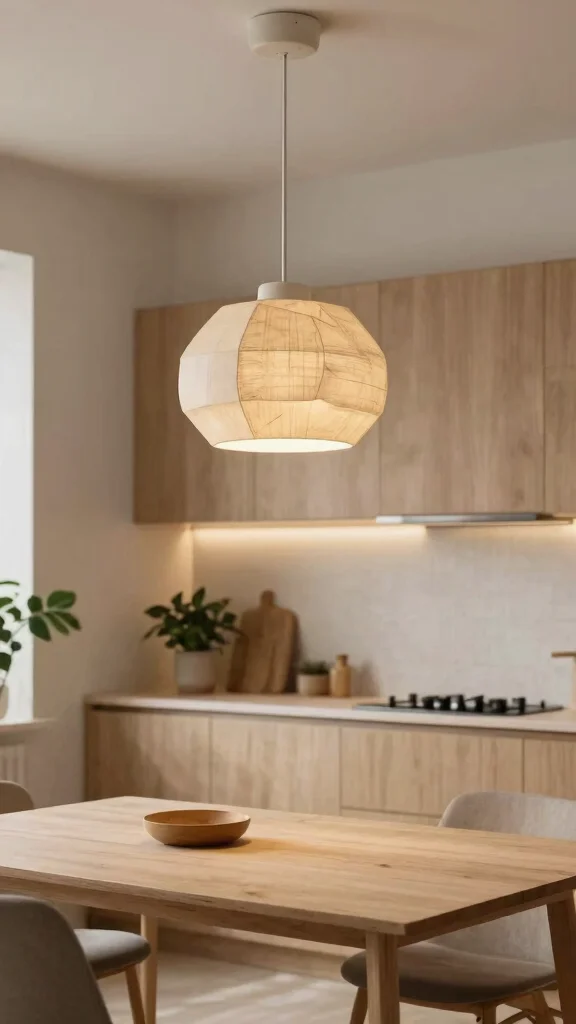
Selecting lighting fixtures with unique shapes and designs adds a distinctive touch to your Japandi kitchen. While minimalism embraces simplicity, incorporating standout pieces can create an artistic focal point that draws attention. Look for chandeliers or pendants featuring intriguing silhouettes, such as geometric forms or organic shapes, to enhance your kitchen’s aesthetic while adhering to Japandi principles.
For instance, a sculptural pendant light made from natural materials can serve as both a functional and artistic centerpiece, enriching the kitchen’s visual appeal. Ensure these fixtures maintain warmth and harmony by choosing colors that resonate with the overall space.
Key considerations include:
– Ensure the size and shape of the lights suit your kitchen’s scale.
– Select pieces that enhance your overall decor while remaining functional.
– Be open to experimenting with styles before making a final choice.
This approach allows you to create a kitchen that is both inviting and visually compelling.
Fun fact: 7 out of 10 designers say geometric pendants become the focal point in Japandi kitchens. That surprising stat shows a sculptural light can elevate a calm, minimal kitchen lighting japandi setup without overpowering the room.
Recommended Products
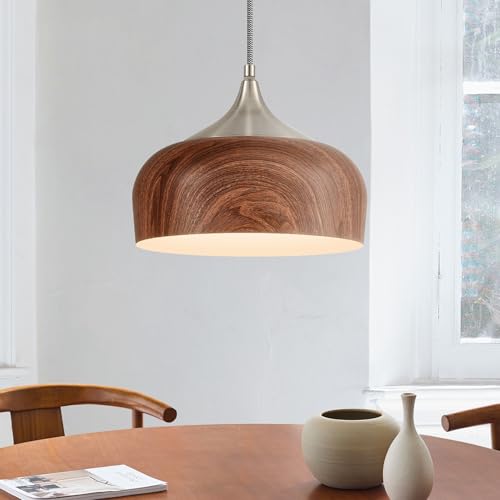
【Brushed Nickel Finish Pendant Light 】This retro brushed nickel pendant light blends vintage charm with minimalist Bauhaus style. Crafted with brushed nickel metal & wood grain, it exudes warm nostalgia. Following Bauhaus principles, it focuses on simplicity and functionality—clean lines, no redundant decor, yet elegant. The wood grain adds a natural touch, fitting both retro and modern spaces. Resisting fingerprints and everyday wear while complementing a wide range of decor styles.

【Rustic Modern Design】 This wood ceiling light combines a natural solid wood frame with a matte black metal finish, creating a farmhouse yet modern aesthetic that enhances bedrooms, kitchens, hallways, and entryways.

MODERN DESIGN: This dark wood color square LED ceiling light is hardwired and consists of three layers of materials: black metal ceiling plate, rectangular wooden frame and 3000K LED. It is unique and design, a very beautiful decoration in your home. The soft light brings a sense of cozy atmosphere to your home.
Key Trade-offs & Our Top Pick
When choosing kitchen lighting in the Japandi style, it’s essential to weigh your options. Let’s break down some popular choices and their trade-offs.
Option 1: Minimalistic Pendant Lighting
– Pros:
– Adds elegance with simple designs.
– Perfect focal point above kitchen islands or dining areas.
– Cons:
– May require more fixtures for larger spaces.
– Can create shadows if not placed correctly.
– Best for: Homes with high ceilings wanting a statement piece.
Option 2: Soft Ambient Lighting
– Pros:
– Creates a warm, inviting atmosphere.
– Easily adjustable to set the right mood.
– Cons:
– May not provide enough light for detailed tasks.
– Can be more expensive with dimmer controls.
– Best for: Spaces intended for relaxation and dining.
Option 3: Recessed Lighting
– Pros:
– Sleek design that doesn’t clutter ceiling space.
– Offers even light distribution throughout the kitchen.
– Cons:
– Installation can be complex and costly.
– Limited adjustability once installed.
– Best for: Modern kitchens with low ceilings needing a clean look.
Option 4: Natural Material Fixtures
– Pros:
– Brings warmth and texture, enhancing the Japandi aesthetic.
– Eco-friendly options available.
– Cons:
– May require more maintenance to keep them looking fresh.
– Pricing can vary widely based on material quality.
– Best for: Those looking to incorporate organic elements into their design.
Option 5: Smart Lighting Solutions
– Pros:
– Highly versatile and customizable through apps.
– Energy-efficient options can save money in the long run.
– Cons:
– Can be more expensive upfront.
– Might require a learning curve for setup and use.
– Best for: Tech-savvy individuals wanting control over their environment.
Best Overall: Minimalistic Pendant Lighting
Minimalistic pendant lighting stands out as our top pick. Its elegant design complements the Japandi aesthetic while providing functionality. You gain a stunning focal point that enhances your kitchen’s beauty without overwhelming the space. These fixtures are versatile enough to fit various kitchen styles and are generally easy to install.
Why We Picked This:
While minimalistic pendant lighting suits many, some might prefer options like recessed lighting for a clean ceiling or smart lighting for high-tech control. If you desire a cozier feel, soft ambient lighting might be your go-to. Choose based on your specific needs and style preferences, but remember, the goal is to create a calm and warm kitchen ambiance that reflects your taste.
Recommended Products

Dimmable Island Lighting:This 4 LED bulbs(included)can be stepless dimming via remote control, providing three lighting options: white light (6000K), neutral light (4500K), and warm light (3000K).From bright light to a warm atmosphere, this island light is perfect for any mood or occasion

Perfect Design:This 2 packs black pendant lighting for kitchen island combines both vintage and industrial styles. This pendant light fixtures are perfect for front warehouses, hallways, dining rooms, kitchen islands, worktops, stairwells, restaurants, etc

Perfect for Medium Kitchen Islands: This 4-light island light (31 inches long) is perfect for kitchen islands ranging from 4 ft to 4.5 ft (48 -54'') in length, clear glass collocation with four 2700K-3000K color temperature E26 bulbs (bulbs not included) illuminates the work area
8. Smart Lighting Solutions
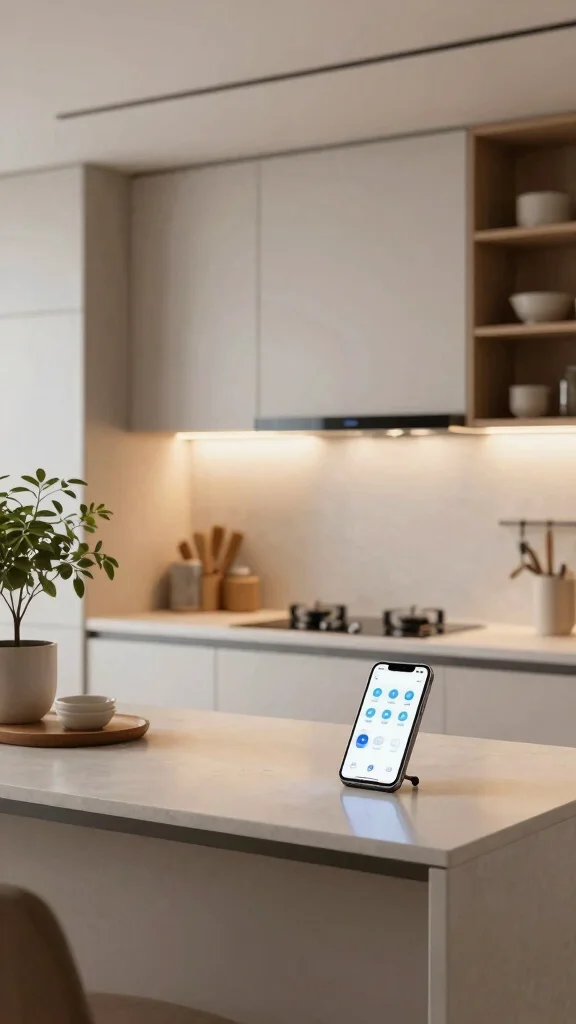
Incorporating smart lighting solutions into your kitchen adds convenience while enhancing the Japandi aesthetic. Smart bulbs and fixtures enable you to control brightness, color, and even set schedules via smartphone or smart home devices. This technology allows for a customizable lighting experience, adapting to your daily routines and creating the perfect ambiance for cooking or relaxing.
Select designs that retain a minimalistic appearance, ensuring they complement your decor. Look for energy-efficient options to align with sustainable living principles, helping you reduce your carbon footprint.
Points to keep in mind:
– Ensure compatibility with your existing smart home systems.
– Choose fixtures that are functional and aesthetically pleasing.
– Utilize scenes or presets to create specific atmospheres for different occasions.
With these smart solutions, your kitchen can achieve both style and functionality effortlessly.
Recommended Products

No wires or light bulbs included: You will receive two 20-inch white linen lampshades. They can replace paper lanterns but are more durable and easier to clean. Friendly reminder: The frames may appear too long and bend when first used—this is normal. Simply hang them for about a week; once the wrinkles in the lampshades disappear, the frames will no longer seem too long.

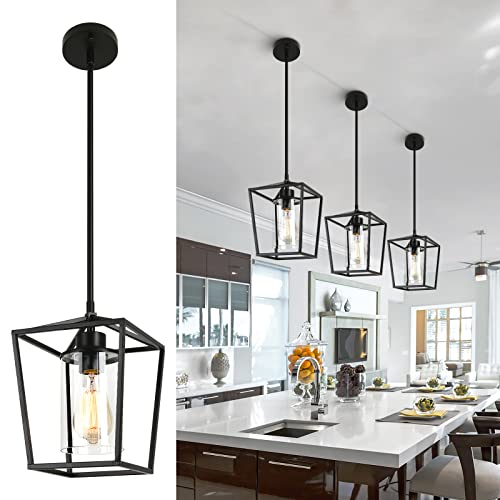
【Modern Farmhouse Design】This black pendant light features a sturdy, rust-resistant matte black metal frame that defends against rust, corrosion, and fading, paired with a clear glass lampshade that softens harsh light output for a warm, inviting glow. Boasting a modern statement with a classic lantern silhouette, this sleek and minimalist pendant light is the perfect focal point for your kitchen island, dining room, front porch, hallway, foyer, entryway, and more.
9. Candlelight and Natural Elements
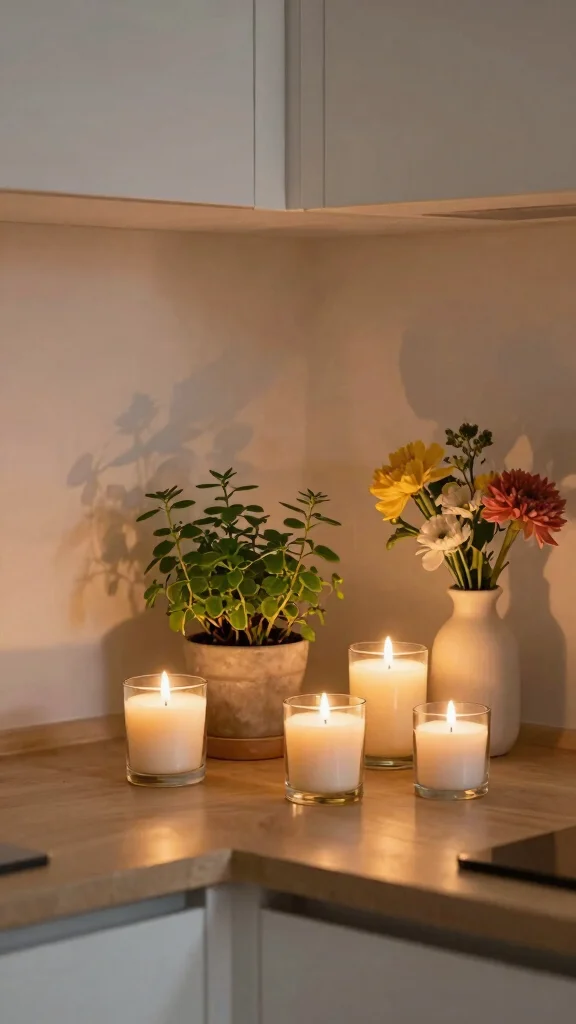
Integrating candlelight and natural elements brings an evocative warmth that perfectly aligns with the serene Japandi aesthetic. Candles create a cozy ambiance, making them an excellent addition to your kitchen decor. Choose natural beeswax or soy candles nestled in minimal glass holders to maintain the clean lines characteristic of Japandi style. Position them on countertops, windowsills, or floating shelves to infuse warmth and tranquility into the space.
For an added touch of nature, consider a small herb garden or fresh flowers alongside your candles. This not only beautifies your kitchen but also reinforces the connection to nature that is central to this decor style.
Key suggestions include:
– Use candles of varying heights for visual interest.
– Ensure candles are placed safely, away from flammable materials.
– Choose scents that are calming and complementary to your kitchen ambiance.
These elements create a warm and inviting atmosphere where you can enjoy cooking and dining.
Fun fact: Lighting a Japandi Kitchen with 3 beeswax candles can cut artificial lighting needs by up to 40% in the evening. Place them on countertops or shelves to warm the space without clutter.
10. Earthy Color Palettes
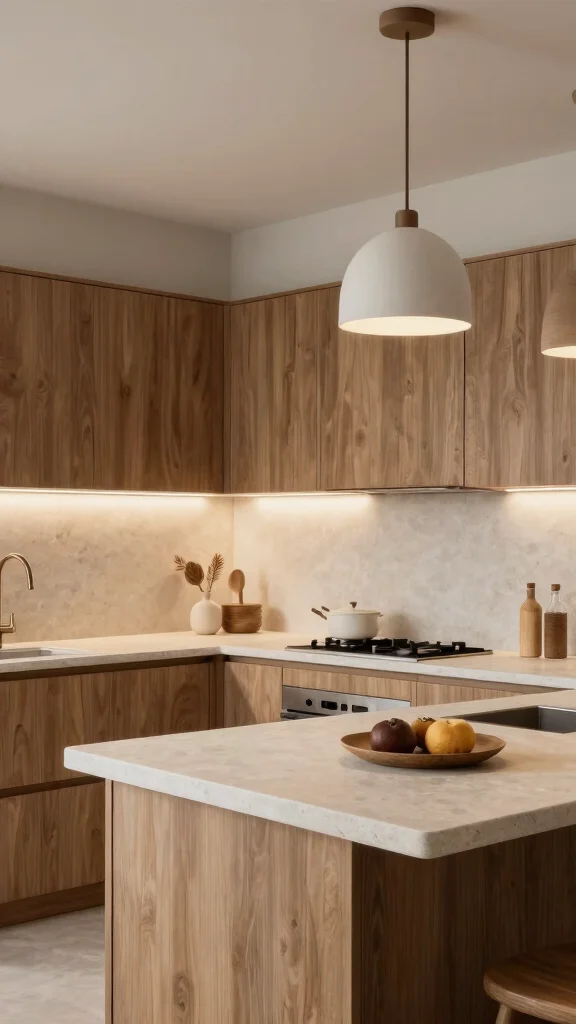
Selecting the right colors for your lighting fixtures is crucial to embodying the essence of Japandi style. Earthy tones in your light fixtures enhance the kitchen’s warm atmosphere while ensuring a smooth integration with cabinetry and overall decor. Opt for shades like muted browns, soft greys, or warm whites that resonate with natural materials, creating a calming environment that complements the organic textures found in wood and stone.
Additionally, consider lightbulbs with a warm color temperature of around 2700K-3000K to maintain a cozy ambiance throughout your kitchen. This choice reinforces the tranquility inherent in Japandi design.
Key points to consider:
– Select colors that enhance other elements in your kitchen decor.
– Choose fixtures that bring warm tones to foster relaxation.
– Avoid overly bright or cool tones that can feel jarring.
This thoughtful color selection will contribute to a cohesive and calming kitchen atmosphere.
11. Decorative Lanterns
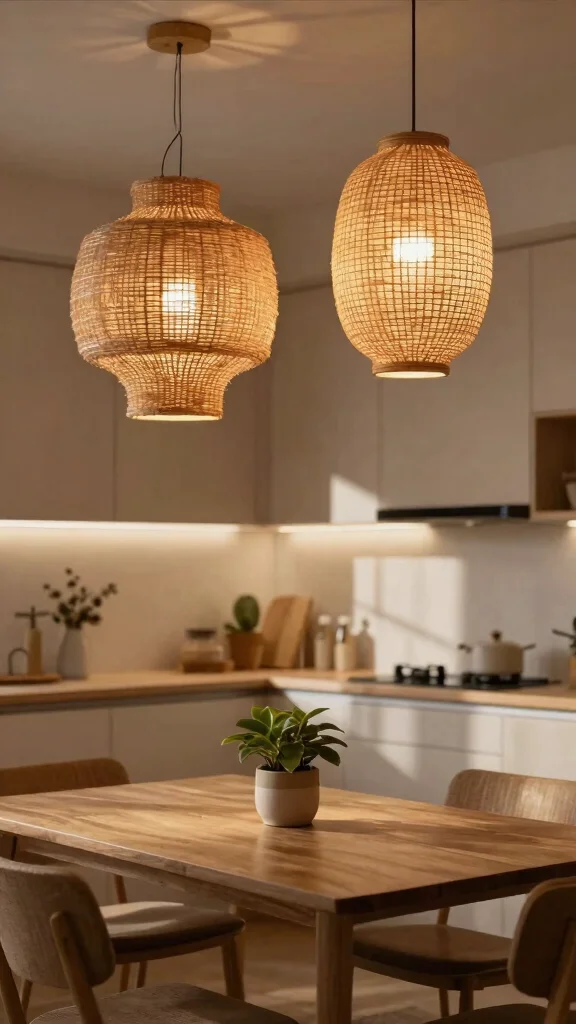
Decorative lanterns can add a charming touch to your Japandi kitchen, infusing a sense of whimsy while adhering to minimalist principles. These fixtures introduce character and warmth, especially when crafted from natural or handmade materials. Hanging lanterns over the dining table or placing them on countertops creates an inviting atmosphere, perfect for family gatherings or casual meals with friends.
Moreover, lanterns cast beautiful patterns and shadows, enhancing the space’s dynamic visual appeal. Look for designs using materials like straw, bamboo, or ceramic that resonate with the Japandi ethos. Prioritize simplicity in your choices to ensure they seamlessly fit into your kitchen’s overall narrative.
Key suggestions include:
– Use warm bulbs to enhance the cozy feel.
– Choose designs that embody the essence of Japandi style.
– Ensure they don’t obstruct the flow of light in the space.
This approach will enhance your kitchen’s charm while maintaining its serene atmosphere.
12. Organic Shapes and Textures
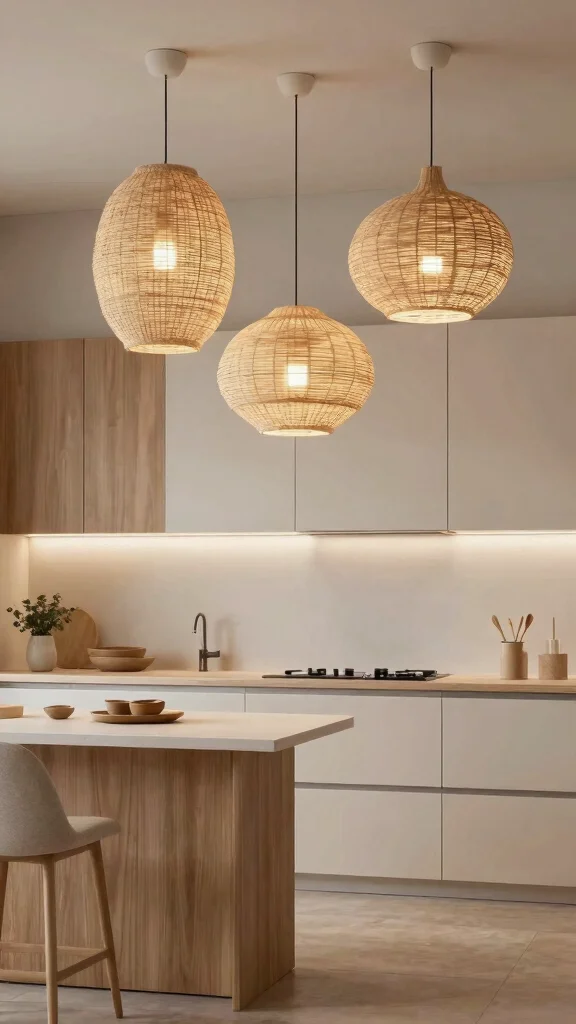
Incorporating lighting fixtures with organic shapes and textures can elevate the calming essence of your Japandi kitchen. Look for lights that mimic natural forms, such as rounded shapes or asymmetrical designs, which evoke effortless beauty and harmony. These organic elements soften the kitchen’s overall look while drawing inspiration from nature, aligning with Japandi’s philosophy of minimalism combined with comfort.
Natural textures like woven materials or soft fabrics add depth and warmth, enhancing the tranquil ambiance of the space. Choose fixtures that harmonize with your kitchen’s design, ensuring they are both functional and aesthetically pleasing. Incorporating a variety of textures can create a rich, layered look that feels inviting and sophisticated.
Consider these tips:
– Mix and match different textures for visual interest.
– Ensure the shapes of fixtures relate back to the overall kitchen design.
– Prioritize quality materials that resonate with the Japandi ethos of sustainability and simplicity.
This thoughtful integration of shapes and textures will create a cohesive and inviting kitchen atmosphere.
Conclusion
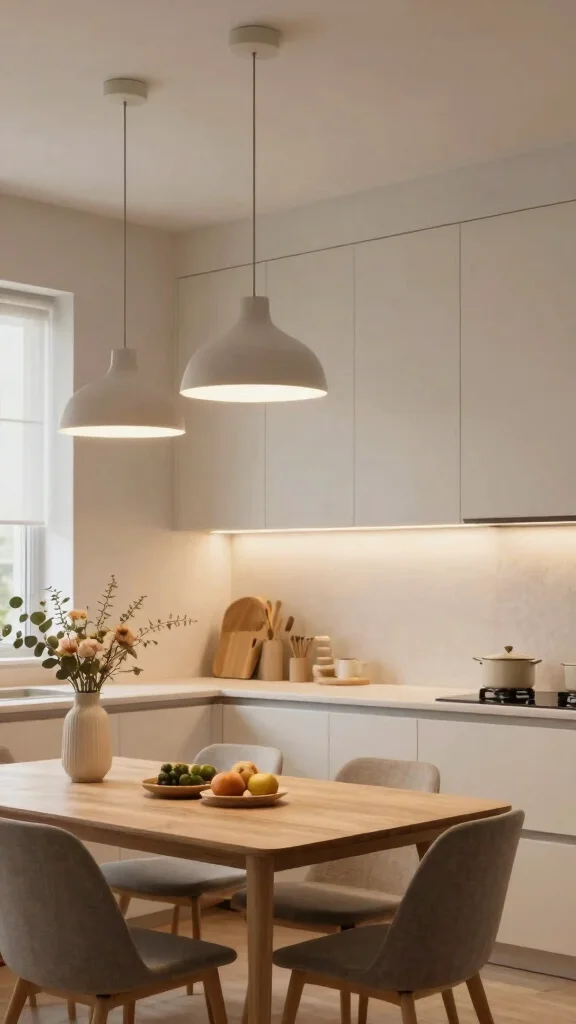
Choosing the right lighting for your kitchen is essential in creating a serene and warm environment that aligns with the Japandi style. From minimalistic pendant lights to natural materials and adjustable options, each idea contributes to a calming, harmonious vibe.
As you design your kitchen lighting, remember to embrace simplicity, functionality, and the beauty of natural materials. By doing so, you can create a stunning space that invites relaxation and connection, embodying the essence of both Japanese and Scandinavian aesthetics.
Note: We aim to provide accurate product links, but some may occasionally expire or become unavailable. If this happens, please search directly on Amazon for the product or a suitable alternative.
This post contains Amazon affiliate links, meaning we may earn a small commission if you purchase through our links, at no extra cost to you.
Frequently Asked Questions
What is Japandi kitchen lighting and how does it create a calm, warm, minimal kitchen?
Japandi kitchen lighting blends Scandinavian simplicity with Japanese warmth to produce a calm, uncluttered glow.
Start with a warm color temperature (about 2700–3000K) and use natural materials like wood or stone for fixtures.
Layer lighting into three levels: ambient ceiling light, task lighting under cabinets, and subtle accent lighting to highlight textures.
Keep lines clean and finishes matte to avoid visual noise, and use dimmers so you can adjust the mood for cooking or entertaining.
In short, kitchen lighting japandi creates warm kitchen ambiance with minimal decor while still being highly functional.
How can I layer Japandi style lighting in a kitchen without creating clutter?
Layering means three tiers: ambient, task, and accent.
Choose fixtures with simple, cohesive shapes in wood, brass, or charcoal finishes to stay on brand with Japandi style lighting.
Use dimmers and smart controls.
Under-cabinet LEDs provide task light without adding bulky lamps; pendant lights above the island should be minimal; avoid ornate details to keep minimal kitchen decor.
Consider brass or black metal combined with warm wood for a timeless look and warm kitchen ambiance.
What are the best fixtures for Japandi kitchen lighting to achieve a warm, minimal look?
Think streamlined, nature-inspired pieces. For ambient: a simple pendant or ceiling mount in natural wood or matte metal.
For task: under-cabinet LED strips or slim linear lights under cabinets.
For accent: wall sconces with soft shade or a small sculptural lamp.
Choose Japandi style lighting fixtures with clean lines, natural materials, and neutral tones to maintain minimal kitchen decor and preserve a warm kitchen ambiance.
How can I balance Scandinavian design elements with Japanese-inspired interiors in kitchen lighting?
The balance comes from a restrained, cohesive approach.
Use a neutral palette, clean lines, and natural materials to bridge Scandinavian design elements with Japanese-inspired interiors.
Select lighting that is unobtrusive but effective—think a single curved pendant or a long, slim fixture over the island.
Keep finishes in the same family (wood, brass, or matte black) and add soft shadows with dimmable warm LEDs to maintain warm kitchen ambiance.
What practical tips help maintain a minimal kitchen while ensuring warm, functional lighting?
Plan your lighting around function and space.
Choose fixtures that serve multiple roles, like pendants plus under-cabinet LEDs, so you don’t clutter surfaces.
Stick to a single material family to support minimal kitchen decor and Japandi style lighting.
Use dimmable LEDs in a cozy 2700–3000K range for warm kitchen ambiance.
Hide wires, opt for recessed or ceiling-mounted options, and keep cleaning easy so your kitchen stays calm and inviting.
Related Topics
kitchen lighting japandi
Japandi style lighting
minimal kitchen decor
warm kitchen ambiance
Scandinavian design
Japanese-inspired interiors
modern minimalism
cozy lighting ideas
home decor trends
easy updates
ambient lighting
sustainable design
