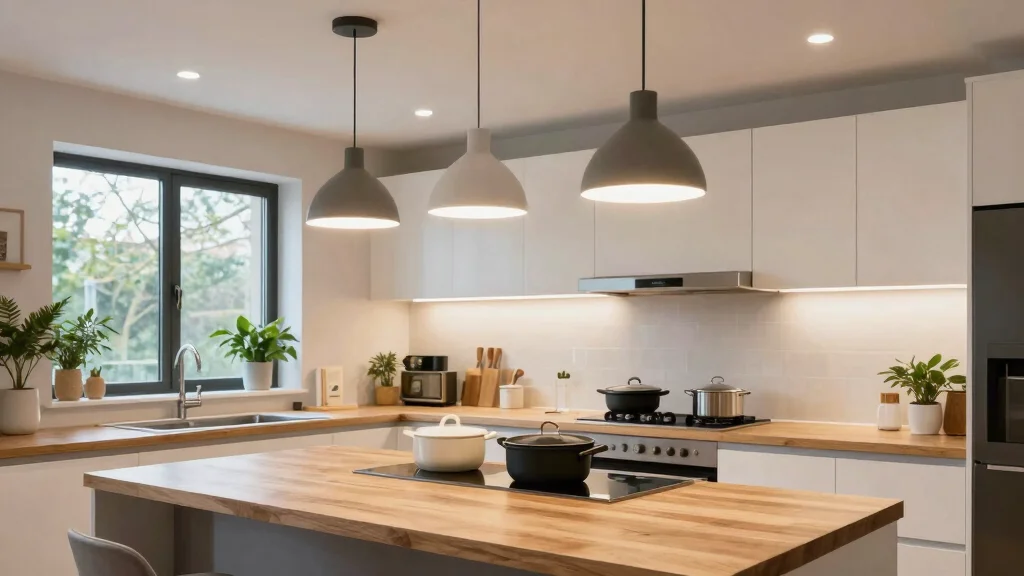
Creating a welcoming kitchen space often begins with the right lighting. You might be looking to brighten up your cooking area or create a cozy ambiance for family gatherings. Whatever your goal, kitchen lighting design plays a critical role in making your kitchen both functional and inviting. That’s why I put together this post. I want to help you transform your kitchen into a well-lit haven that balances style and practicality.
If you’re a homeowner, a budding chef, or someone who simply loves spending time in the kitchen, this guide is for you. You’ll find a range of lighting design ideas that cater to various tastes and needs. Whether you prefer modern kitchen lighting or eco-friendly fixtures, there’s something here for everyone. With these ideas, you can enhance your cooking space, making it a place where you love to create and entertain.
Get ready to explore 18 unique kitchen lighting design ideas. These suggestions are not just beautiful; they are also functional and energy-efficient. You’ll discover tips on pendant lights, under-cabinet solutions, and even smart lighting options. By the end of this post, you’ll be equipped with practical knowledge and inspiration to light up your kitchen beautifully and sustainably.
Key Takeaways
– Explore 18 kitchen lighting design ideas that blend style with functionality, ensuring your space is well-lit and welcoming. – Discover pendant lights for kitchens that add elegance and charm, perfect for creating a focal point in your design. – Learn about under-cabinet lighting solutions that enhance visibility while cooking and add a modern touch to your kitchen decor. – Find out how to choose energy-efficient kitchen fixtures to save on energy bills while reducing your environmental footprint. – Get tips on layered lighting design, which combines ambient, task, and accent lighting to create a versatile space for all your kitchen activities.Contents
- 1. Pendant Lights for an Elegant Touch
- 2. Under-Cabinet Lighting Solutions
- 3. Ceiling Light Ideas
- 4. Eco-Friendly Fixtures
- 5. Vintage-Inspired Lighting
- 6. Smart Lighting Solutions
- 7. Layered Lighting Design
- 8. Color Temperature Considerations
- 9. Decorative Lighting Fixtures
- 10. Natural Light Enhancement
- 11. Energy-Efficient Kitchen Fixtures
- 12. Adjustable Lighting Solutions
- 13. Minimalist Lighting Design
- 14. Illuminated Kitchen Islands
- 15. Accent Lighting for Visual Interest
- 16. Outdoor Kitchen Lighting
- 17. Creative Use of Mirrors
- 18. Customizable Lighting Systems
1. Pendant Lights for an Elegant Touch
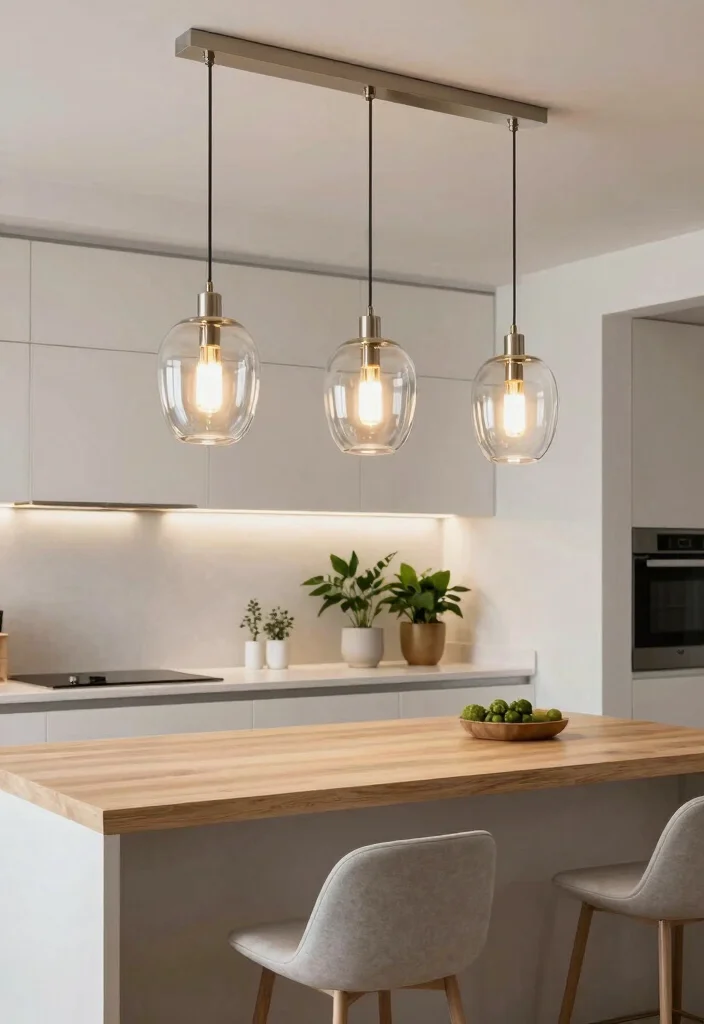
To elevate your kitchen’s ambiance, consider incorporating pendant lights that blend style and functionality. These fixtures not only provide essential illumination but also serve as stunning focal points above islands or dining areas, adding a touch of sophistication. Think sleek glass designs or rustic metal finishes that harmonize beautifully with your kitchen’s decor. The right choice can transform the space, making it feel both inviting and elegant.
When selecting pendant lights, pay attention to their height and spacing. Ensure they hang at an optimal level to illuminate without obstructing views. Opt for energy-efficient LED bulbs to achieve both beauty and sustainability.
Consider these elements for a striking look:
– Pair pendant lights with natural wood accents for warmth.
– Install in clusters for a dramatic effect.
– Use dimmable bulbs to adjust ambiance effortlessly.
Choosing the perfect pendant lights not only enhances your kitchen’s design but also enriches the overall atmosphere with character and charm.
2. Under-Cabinet Lighting Solutions
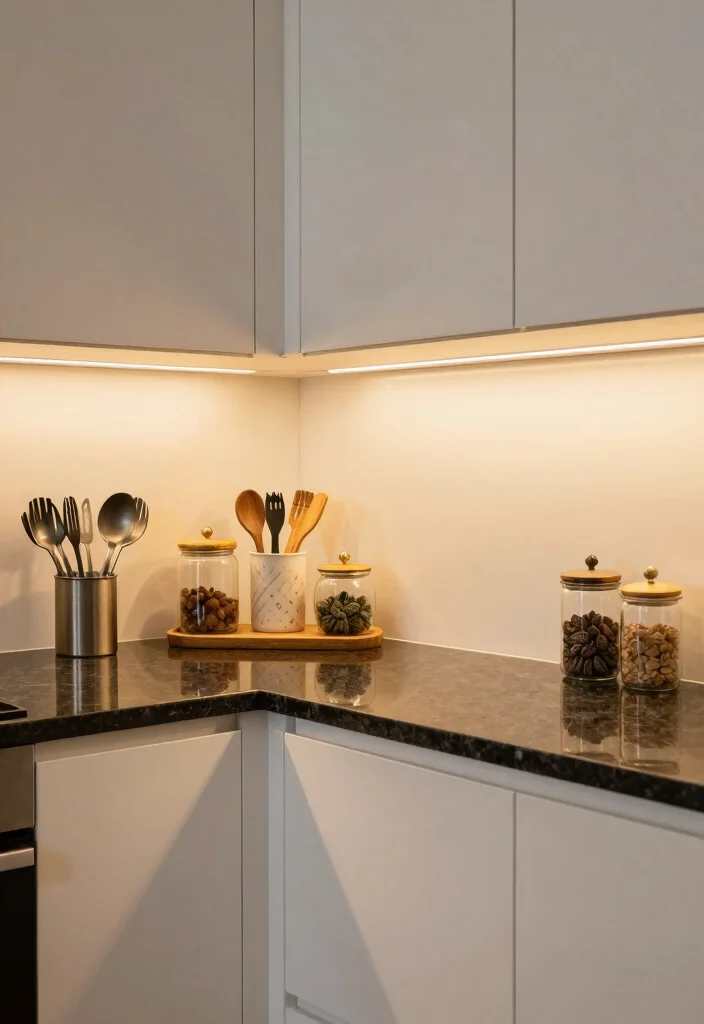
Brighten your kitchen counters with under-cabinet lighting, an elegant solution that enhances both functionality and style. These lights are discreetly placed beneath cabinets, providing essential task lighting while creating a cozy atmosphere. Opt for LED strips that not only illuminate but also add a modern touch to your kitchen’s design.
This lighting option is practical, helping you save energy while making food prep easier and more enjoyable. With various designs available, you can easily find a style that complements your kitchen décor.
Explore these practical tips:
– Choose motion-sensor lights to save energy when not in use.
– Match colors with your cabinetry for a harmonious look.
– Incorporate dimmers for versatile brightness levels depending on the occasion.
Under-cabinet lighting significantly enhances visibility while showcasing your beautiful countertops and backsplashes.
📹 Related Video: DIY Under Cabinet Lighting – Full Walkthrough
3. Ceiling Light Ideas
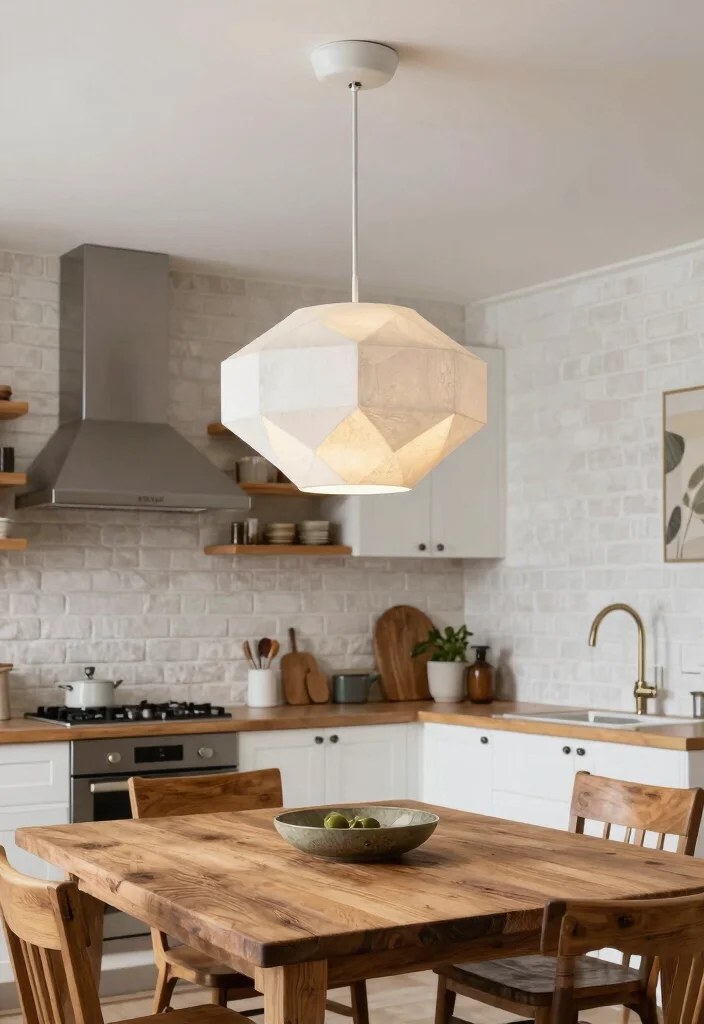
Ceiling lights are essential in defining your kitchen’s lighting scheme. With options ranging from flush mounts to elegant chandeliers, you can find the perfect fit for any kitchen style. Flush-mounted lights are ideal for lower ceilings, while a striking chandelier can infuse glamour into your dining space.
For a contemporary vibe, consider geometric designs paired with energy-efficient bulbs that provide even light distribution. This ensures every corner of your kitchen is well-lit and inviting.
Consider these ideas for your ceiling lighting:
– Select a bold central fixture to serve as a statement piece.
– Layer with additional lighting sources for a balanced glow.
– Choose materials that reflect your kitchen’s theme, like brass or chrome.
Smart ceiling light choices not only anchor your kitchen design but also maximize overall functionality and warmth.
4. Eco-Friendly Fixtures
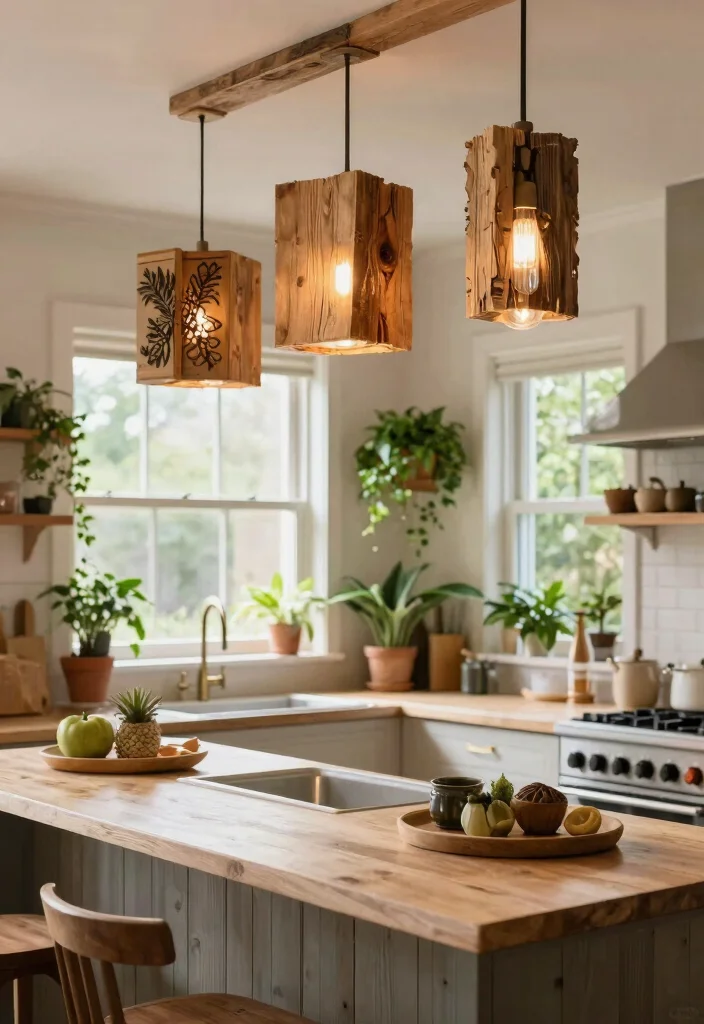
Adopting eco-friendly lighting fixtures is a vital step towards a sustainable kitchen. Many brands offer lights made from recycled materials or sustainably sourced wood, allowing you to make an environmentally conscious choice. Pair these fixtures with energy-efficient LED bulbs for a greener kitchen without sacrificing style.
Research brands that prioritize sustainability to ensure your choices support eco-friendly practices. This way, you can enjoy a well-lit kitchen that aligns with your values.
Here are some ideas to consider:
– Explore solar-powered lights for naturally bright kitchens.
– Look for durable fixtures that minimize waste over time.
– Investigate local incentives for energy-efficient upgrades to help with costs.
Opting for eco-friendly lighting not only aids the planet but also adds unique design elements to your kitchen.
5. Vintage-Inspired Lighting
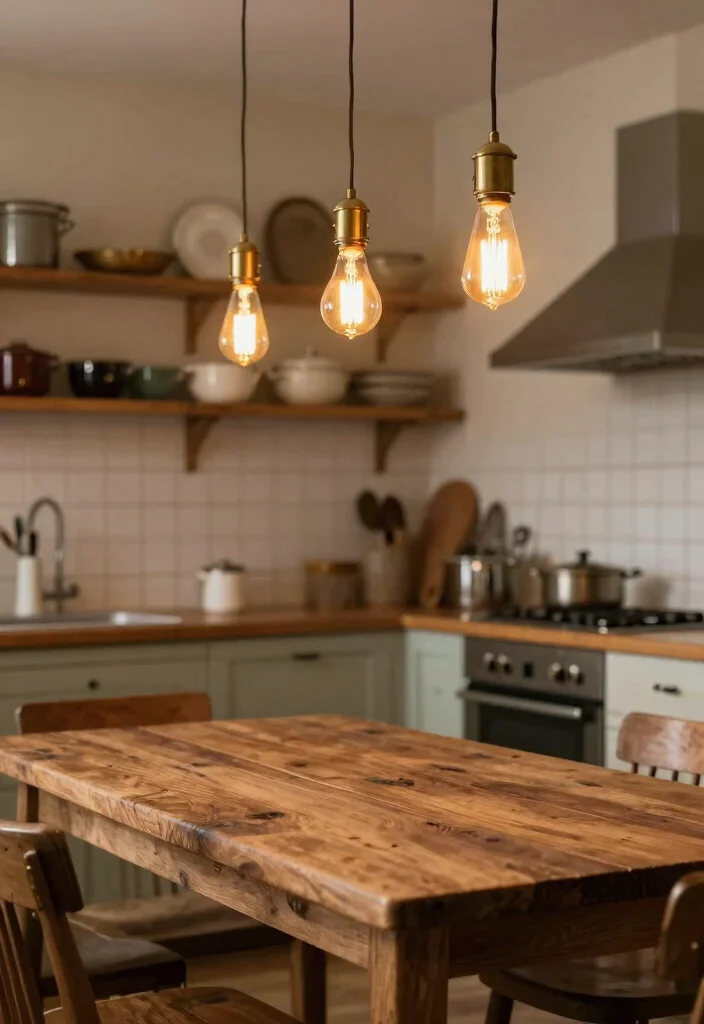
Introduce a nostalgic charm to your kitchen with vintage-inspired lighting. These fixtures often feature distinct shapes and finishes that can beautifully contrast modern elements. Think of Edison bulbs paired with antique brass fittings to create a warm and inviting atmosphere.
This style not only makes a statement but can also be energy-efficient when using the right bulbs. A vintage touch can elevate your kitchen’s aesthetic while maintaining functionality.
Consider these tips for adding vintage flair:
– Mix and match vintage pieces for an eclectic style.
– Use vintage-style LED bulbs to maintain the look without high energy costs.
– Install dimmers to create the perfect evening ambiance.
Vintage lighting can turn your kitchen into a unique design showcase that sparks conversation.
6. Smart Lighting Solutions
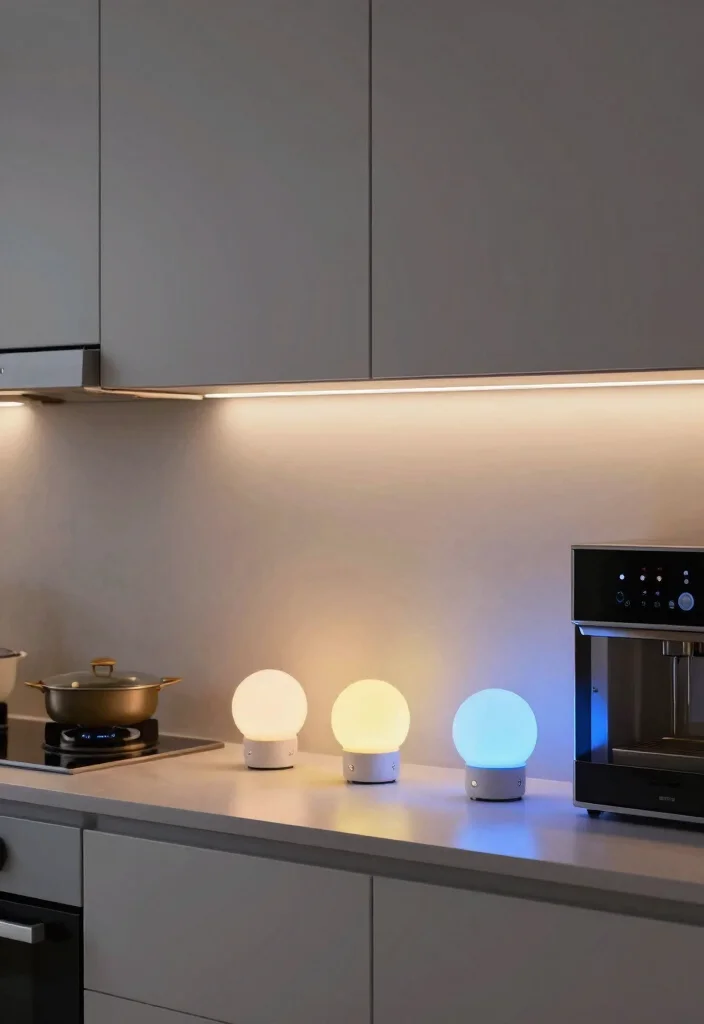
Embrace the convenience of smart lighting solutions in your kitchen for a modern touch. With smart bulbs and fixtures, you can control your lighting through apps or voice commands, making multitasking easy while cooking or entertaining. Automated schedules allow for effortless adjustments throughout the day.
Consider smart bulbs that fit seamlessly into your existing fixtures for a simple upgrade. This technology not only enhances convenience but also promotes energy savings, making your kitchen more efficient.
Explore these smart options:
– Use color-changing bulbs to match your mood or occasion.
– Implement smart sensors that adjust lighting based on occupancy.
– Invest in systems that integrate with home automation for seamless control.
Smart lighting enhances both functionality and style, making your kitchen a more dynamic space.
Fun fact: Smart lighting in kitchens can trim energy use by up to 40% with automation and schedules. In kitchen lighting design, you’ll cook faster, entertain easier, and save energy—one simple upgrade can make a big, practical difference.
How To Choose the Right Kitchen Lighting Design
Choosing the perfect kitchen lighting design can transform your cooking space into a functional and inviting area. It involves considering various factors to achieve both aesthetics and practicality. Here’s how to make the best choice for your kitchen lighting. 1. Assess Your SpaceBefore making any decisions, take a good look at your kitchen’s layout. Measure the dimensions of the room, including the height of the ceiling. This helps you determine the appropriate type and size of fixtures you need. For instance, a small kitchen may benefit from pendant lights that hang lower, while larger spaces might require ceiling lights for better coverage.
2. Consider Your Style
Your kitchen’s décor plays a significant role in choosing lighting. Decide whether you lean towards modern kitchen lighting, rustic fixtures, or vintage-inspired designs. Look for lighting that will complement your cabinetry, countertops, and overall aesthetics. For example, sleek, minimalist lights work well in contemporary kitchens, while wrought iron or wooden fixtures suit country-style designs.
3. Think About Functionality
The primary purpose of kitchen lighting is functionality. Evaluate how you use your kitchen. Do you need bright lights for cooking or softer lights for dining? Layered lighting is a great approach to cover both needs. You can combine ambient lighting for overall illumination with task lighting for areas like countertops and under-cabinet spaces.
4. Embrace Energy Efficiency
When selecting kitchen lighting, consider energy-efficient kitchen fixtures. LED lights consume less power and last longer than traditional bulbs. They can also provide various color temperatures to create the perfect ambiance. Look for fixtures labeled as energy-efficient to save on electricity bills while being kind to the environment.
5. Choose the Right Color Temperature
Color temperature affects the mood of your kitchen. Warm white lights (around 2700K) create a cozy atmosphere, perfect for family gatherings. Cool white lights (around 4000K) offer a more focused, energizing glow suitable for food prep. Use a mix of both to balance functionality and ambiance, tailoring your kitchen lighting design to your daily activities.
6. Budget Wisely
Set a budget before you start shopping. Kitchen lighting can vary widely in price. Determine what you’re willing to spend and stick to it. Consider spending a little more on high-quality fixtures that will last longer and add significant value to your kitchen. Always factor in installation costs if you’re hiring a professional, or save money by doing it yourself if you feel confident.
Pro Tip: Don’t forget to include dimmer switches in your lighting plan. They offer flexibility that can help you adjust the brightness according to the time of day or occasion, creating the perfect atmosphere every time.
By following these steps, you’ll be well on your way to selecting the perfect kitchen lighting design that meets your needs and fits your style. Happy decorating!
7. Layered Lighting Design
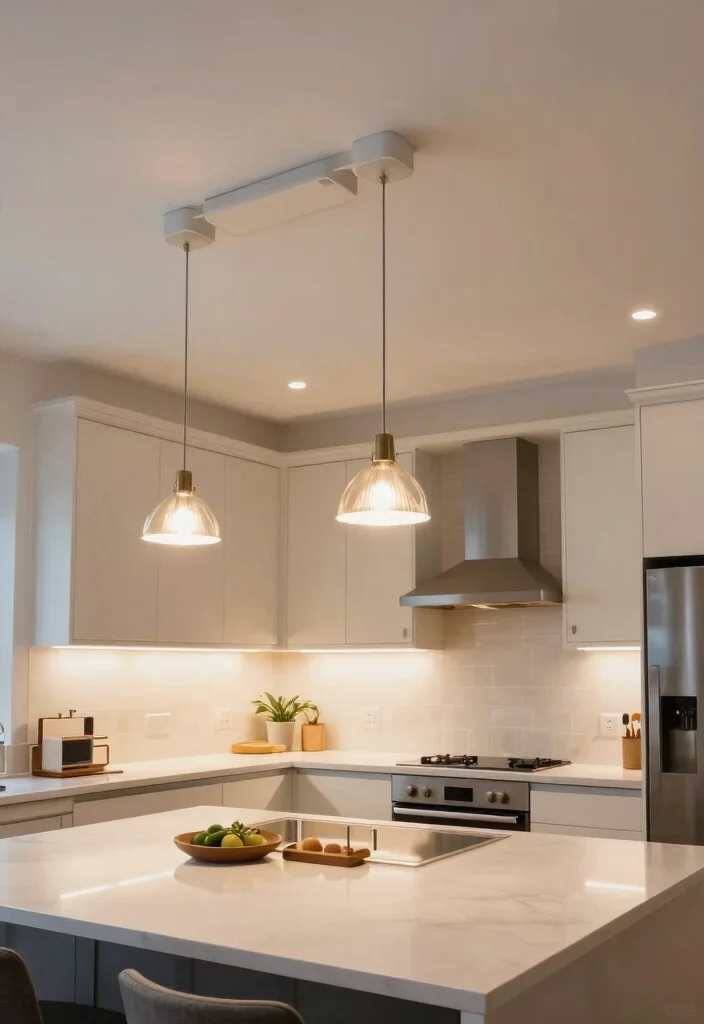
Creating a well-lit kitchen involves layering various lighting sources for a balanced ambiance. Combine ambient, task, and accent lighting to achieve a visually appealing and functional space. Start with overhead lights for general illumination, then add under-cabinet lights for practical use, and finish with decorative fixtures to highlight unique features.
Consider using dimmers to adjust the atmosphere for different occasions, ensuring your kitchen is always inviting. Pay attention to the scale of fixtures; larger kitchens may need more pronounced elements, while smaller spaces benefit from subtle designs.
Incorporate these strategies:
– Use transparency in fixtures to maintain openness while providing ample light.
– Layer different types of lighting to create a dynamic environment.
– Focus on balance to make every area of your kitchen functional and stylish.
Layered lighting not only enhances usability but also transforms your kitchen into an inviting haven.
8. Color Temperature Considerations
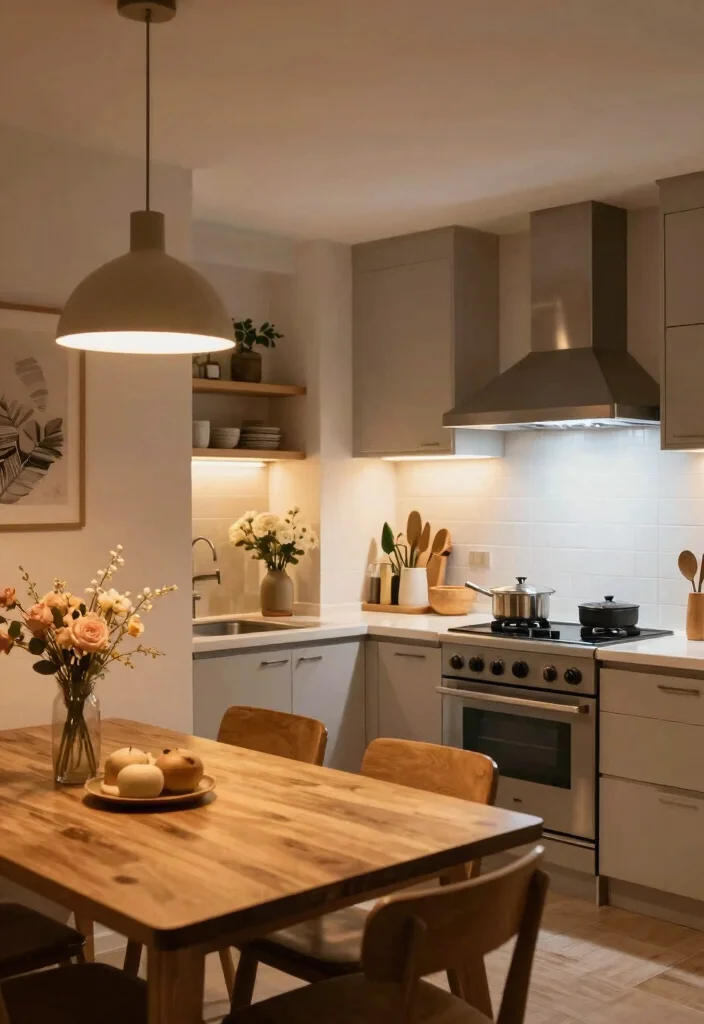
The color temperature of your kitchen lighting greatly influences its atmosphere. Warmer light (around 2700K) creates a cozy space ideal for family gatherings, while cooler light (around 5000K) mimics daylight, perfect for cooking tasks. Consider how you want your kitchen to feel throughout the day.
Mixing color temperatures can create a harmonious balance; warm lights for dining and cooler for work areas enhance functionality. Dimmable features allow you to adjust the warmth according to your mood or time of day.
Here are some tips to enhance your lighting:
– Incorporate a combination of bulbs to create contrast.
– Use dimmers to tailor the warmth based on the occasion.
– Strategically place lights to achieve a balanced effect throughout the kitchen.
Understanding color temperature significantly enriches your kitchen’s ambiance, making it a welcoming space.
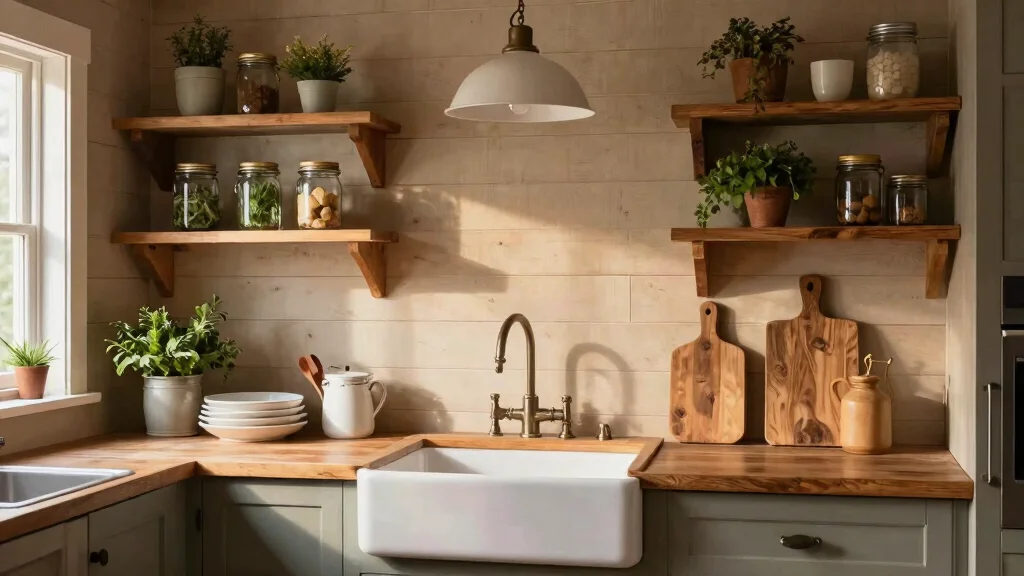
9. Decorative Lighting Fixtures
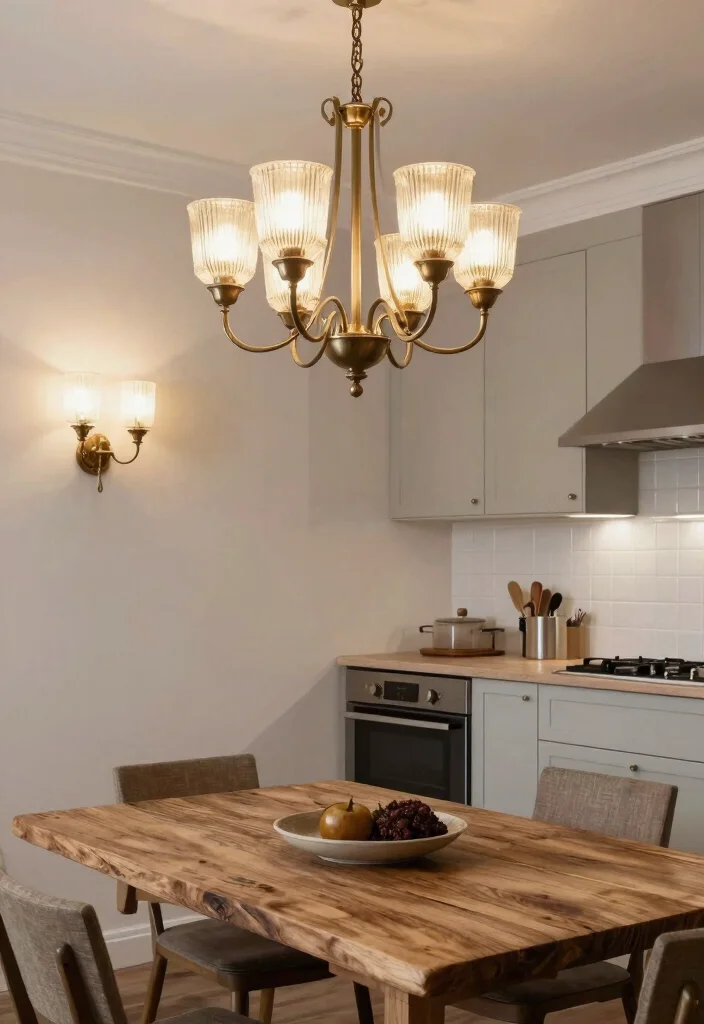
Decorative lighting fixtures bring personality and charm to your kitchen. From stunning chandeliers to artistic wall sconces, these elements serve both functional and aesthetic purposes. They can turn ordinary lighting into a statement piece that reflects your style.
Choose standout fixtures that resonate with your aesthetic, whether modern minimalist or vintage chic. Balance decorative options with simpler lighting to avoid overwhelming the space, ensuring a cohesive look.
Consider these suggestions:
– Use wall sconces to add depth and dimension to your design.
– Select pieces that harmonize with your kitchen’s overall theme.
– Highlight key areas with eye-catching fixtures to draw attention.
Decorative lighting elevates your kitchen’s design, making it a unique reflection of your taste.
10. Natural Light Enhancement
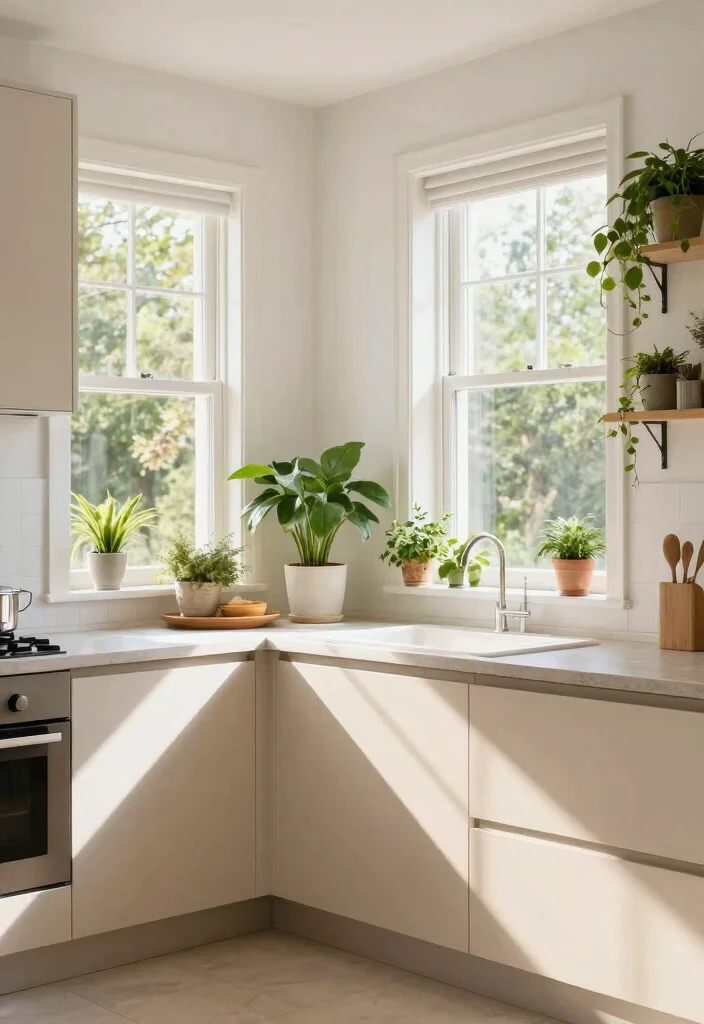
Maximizing natural light in your kitchen not only brightens the space but also creates an uplifting atmosphere. Assess the placement of windows and how light flows throughout the day, and use reflective materials like glass or mirrors to enhance brightness. Light, airy colors on walls and cabinetry can also amplify the natural light entering your kitchen.
Installing skylights can bring in additional sunlight, while keeping window treatments minimal allows for maximum brightness. Sheer curtains can diffuse light nicely while ensuring privacy.
Explore these enhancements:
– Use strategically placed mirrors to reflect light and create an illusion of space.
– Install path lights to guide guests through your kitchen.
– Avoid heavy drapes that block light; opt for light fabrics instead.
Enhancing natural light creates a vibrant kitchen environment, promoting a healthy and inviting feel.
11. Energy-Efficient Kitchen Fixtures
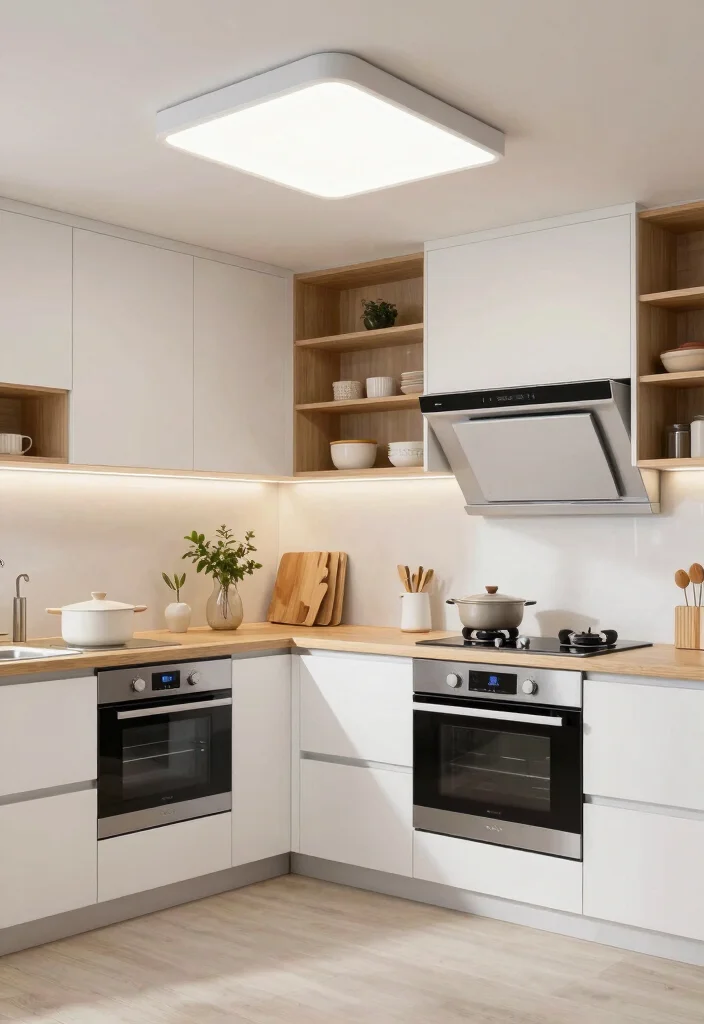
Investing in energy-efficient kitchen fixtures is wise for both the planet and your budget. LED lights and ENERGY STAR-rated options deliver substantial savings on energy costs while providing the brightness you need. These sustainable fixtures last longer and consume less power than traditional lighting solutions.
Look for fixtures with a high lumens-per-watt ratio to maximize brightness while minimizing energy use. Selecting options made from recycled materials helps reduce your environmental impact.
Consider these points:
– Familiarize yourself with local incentives for energy-efficient upgrades.
– Research brands that prioritize sustainability in their designs.
– Choose fixtures that align with your aesthetic without compromising efficiency.
Choosing energy-efficient lighting enhances your kitchen’s functionality while contributing to a greener future.
Fun fact: LED kitchen lighting uses up to 75% less energy than traditional bulbs. ENERGY STAR-rated fixtures can trim your yearly lighting bill in kitchen lighting design by roughly $40–$100, while delivering brighter, longer-lasting illumination.
12. Adjustable Lighting Solutions
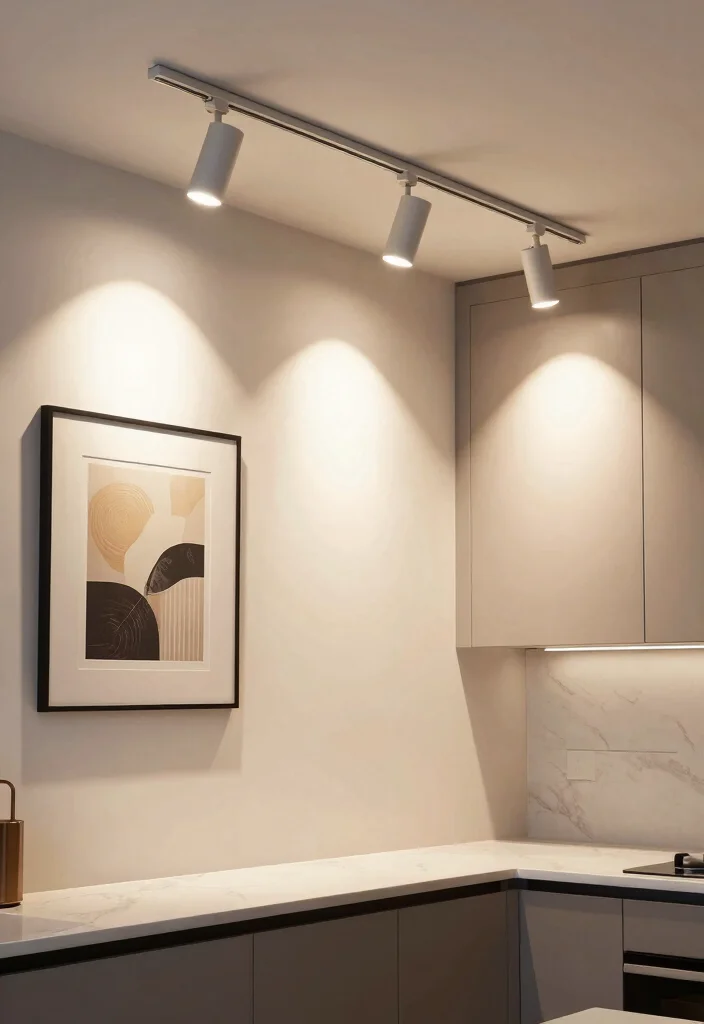
Adjustable lighting solutions offer incredible flexibility in your kitchen design. From swing-arm wall sconces to track lighting, these fixtures allow you to direct light exactly where it’s needed for various tasks. This adaptability is especially beneficial in multi-functional spaces, such as kitchens that also serve as dining or work areas.
Track lighting can spotlight artwork or accent pieces, while adjustable under-cabinet lights can illuminate specific cooking zones. Choose fixtures that pivot or rotate for added versatility, ensuring your lighting scheme meets all your needs.
Consider these ideas:
– Install adjustable lights to focus on key areas during meal prep.
– Use track lighting to enhance the aesthetic of your kitchen decor.
– Incorporate fixtures that can be adjusted based on activities.
Having adjustable options enhances your control over lighting, making your kitchen practical for every occasion.
13. Minimalist Lighting Design
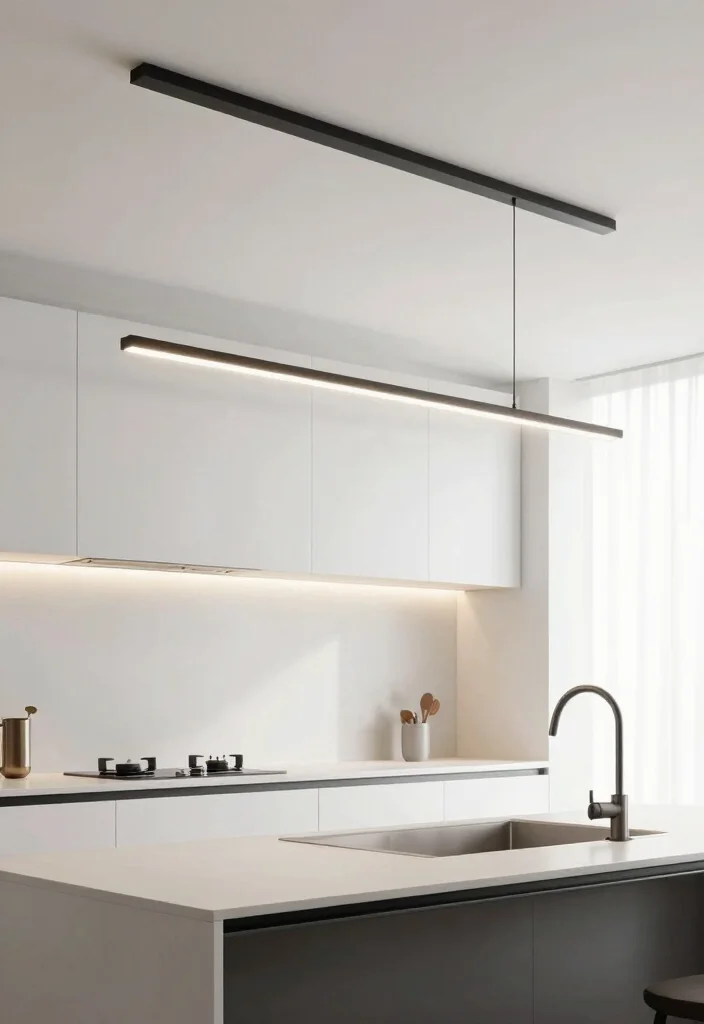
Simplicity speaks volumes in lighting design, especially when aiming for a minimalist aesthetic. These solutions emphasize clean lines and understated elegance, allowing your kitchen to shine without overwhelming the space. Seek fixtures that offer a simple form yet utilize high-quality materials for a luxurious touch.
Opt for monochromatic shades to elevate a sleek look and choose fixtures that blend seamlessly into your kitchen’s design. Focus on a few key pieces that complement your style without clutter.
Consider these minimalist strategies:
– Embrace simplicity in your lighting choices to enhance the overall design.
– Choose fixtures that serve a purpose while being visually appealing.
– Use fewer, well-placed lights for maximum impact.
Minimalist lighting invites a stylish yet unobtrusive atmosphere, perfect for modern kitchens.
14. Illuminated Kitchen Islands
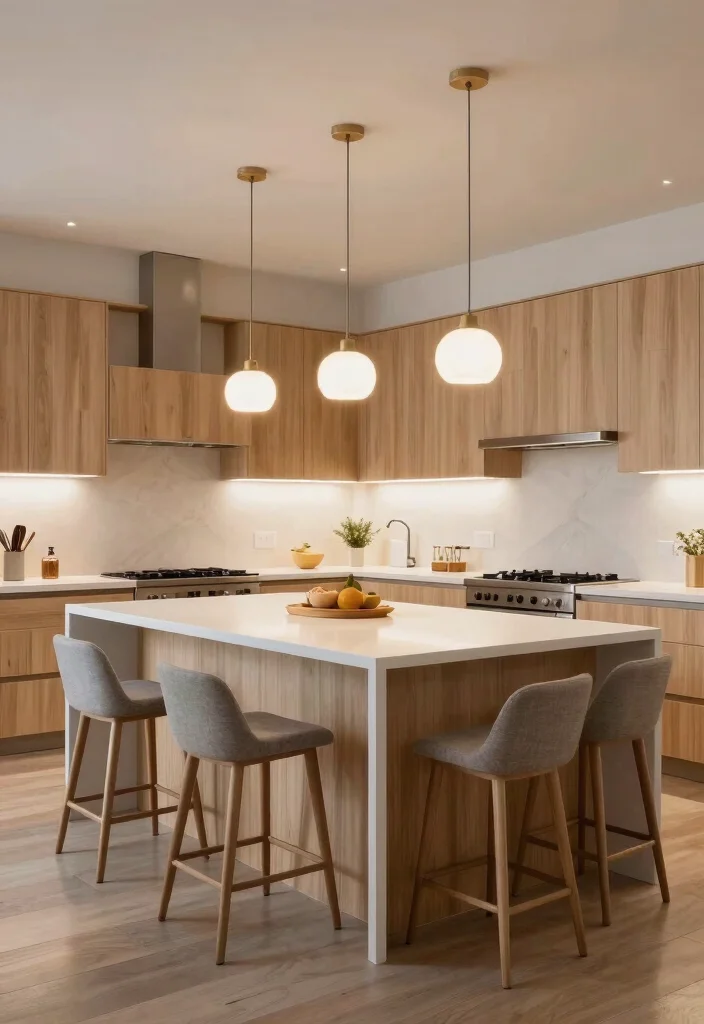
Kitchen islands are the heart of culinary creativity and social gatherings; illuminating them beautifully enhances both functionality and aesthetics. Consider pendant lights or track lighting specifically above your island to provide ample brightness for food prep and casual dining. This targeted lighting not only improves visibility but also elevates the overall design of your kitchen.
Ensure the height of the lighting is appropriate for the space to avoid obstruction while choosing designs that complement the island’s material for a cohesive look. Dimmable options allow flexibility for various activities, from cooking to entertaining.
Explore these ideas for your island lighting:
– Use multiple fixtures for a layered effect.
– Select styles that harmonize with your kitchen theme.
– Incorporate adjustable lighting to suit different functions.
Illuminated kitchen islands create a warm, welcoming environment that invites both cooking and conversation.
Fun fact: 3 well-placed pendant lights above your kitchen island can boost task brightness by up to 400 lumens per square meter, turning prep into a breeze. In kitchen lighting design, energy-efficient LEDs keep it sustainable and stylish.
15. Accent Lighting for Visual Interest
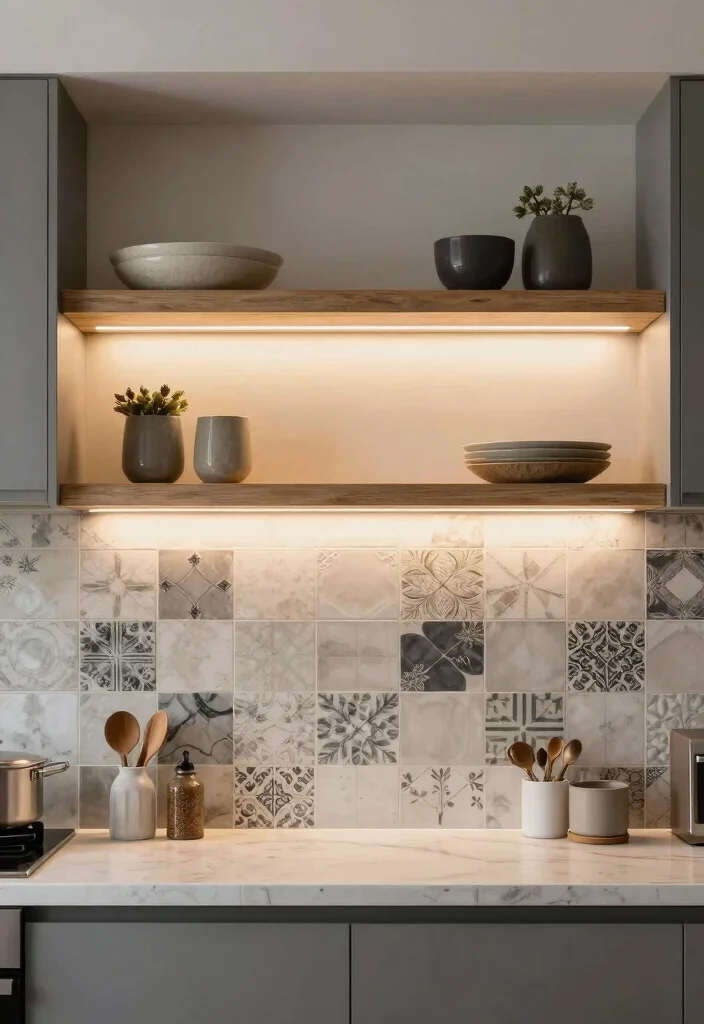
Accent lighting serves to highlight specific areas or features within your kitchen, adding depth and visual interest. Use it to draw attention to beautiful backsplash tiles, decorative shelves, or even artwork that reflects your style. This type of lighting enhances overall ambiance while showcasing your unique design choices.
Consider wall-mounted fixtures or LED strips to illuminate architectural features, ensuring they take center stage. Adjustable fixtures allow you to change focus as desired, creating a dynamic space.
Here are a few ways to incorporate accent lighting:
– Layer it with ambient and task lighting for a balanced feel.
– Use accent lights to highlight your favorite design elements.
– Ensure fixtures are adjustable for versatility.
Accent lighting not only enhances functionality but also adds personality to your kitchen, making it a true reflection of your taste.
16. Outdoor Kitchen Lighting
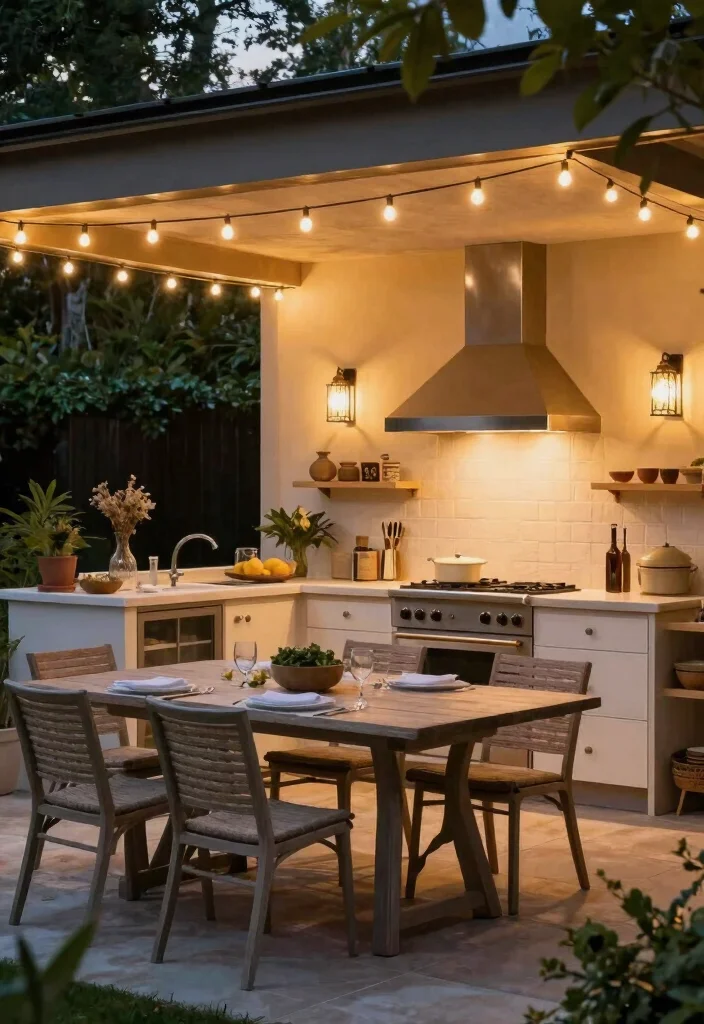
For those with an outdoor kitchen, thoughtful lighting design is essential for creating inviting spaces after sunset. Incorporate durable, weather-resistant fixtures to ensure usability during evening gatherings. String lights, lanterns, and focused spotlights can foster a warm atmosphere perfect for entertaining.
Consider solar-powered lights to minimize energy usage while enhancing the ambiance of your outdoor area. Thoughtful placement can also prevent glare while ensuring safety for guests.
Explore these outdoor lighting ideas:
– Use path lights to guide guests through outdoor spaces.
– Integrate different lighting types for a layered effect.
– Select fixtures that complement your outdoor decor theme.
Effective outdoor kitchen lighting extends usability and enhances the overall aesthetic of your outdoor living spaces.
17. Creative Use of Mirrors
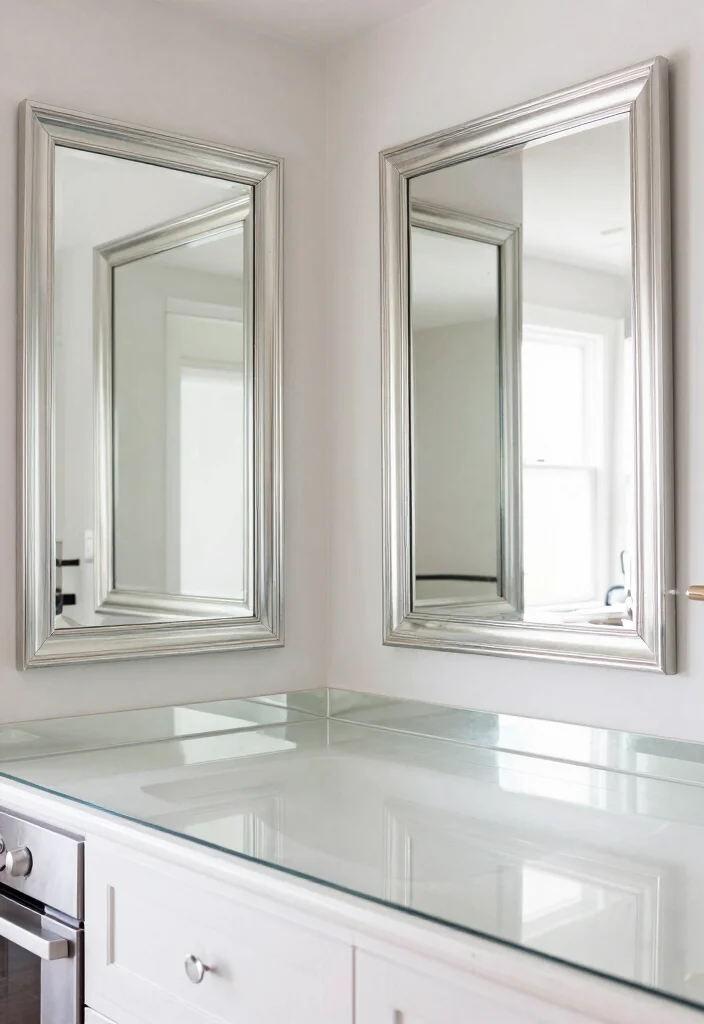
Mirrors serve a dual purpose in your kitchen; they can enhance lighting while adding a decorative touch. Strategically placing mirrors can amplify natural light and create the illusion of a larger space. Reflecting light sources not only brightens your kitchen but also makes it feel more open and airy.
Consider incorporating mirrored backsplashes or decorative mirrors as focal points to elevate your kitchen’s design. These reflective surfaces can beautifully complement your lighting fixtures, enhancing their glow.
Here are some ideas for using mirrors:
– Choose mirrors with interesting frames to add artistic flair.
– Install mirrors on walls opposite windows to maximize light reflection.
– Use smaller mirrors to accentuate lighting fixtures.
Creative use of mirrors transforms both the functionality and aesthetic of your kitchen, creating a vibrant and inviting atmosphere.
18. Customizable Lighting Systems
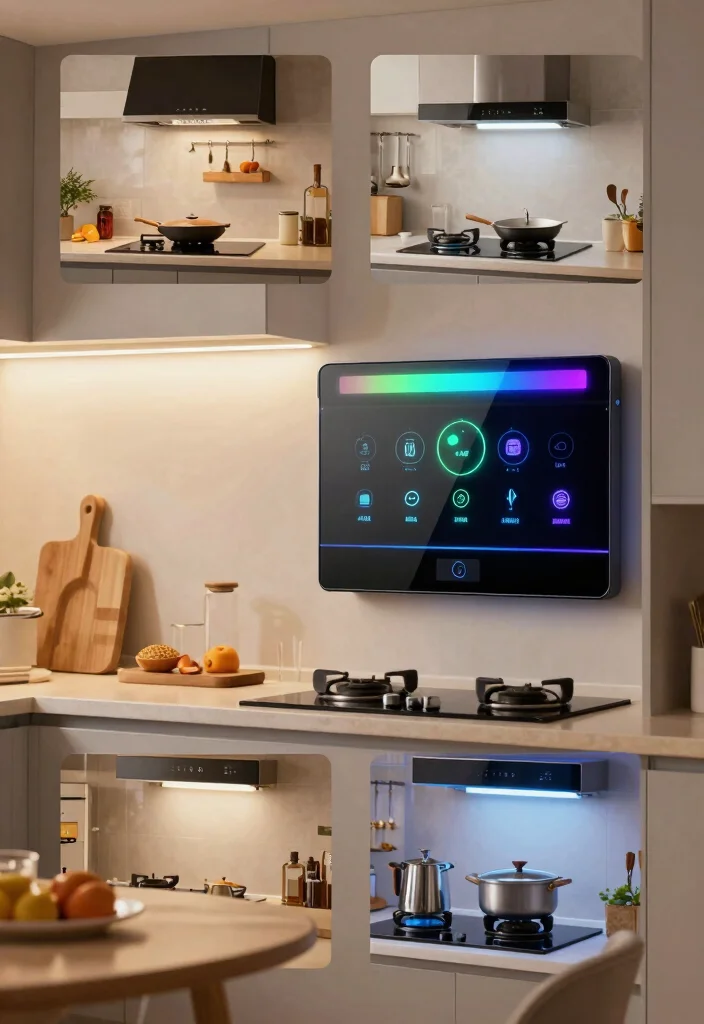
For those who desire ultimate control over their lighting, customizable systems are the perfect solution. These advanced setups allow you to tailor lighting to specific areas, activities, or even times of day, making transitions between bright cooking lights and soft evening ambiance effortless. With programmable options, you can create a kitchen that adapts to your lifestyle.
Invest in smart technology that integrates seamlessly with your home systems for easy control, allowing you to manage everything from brightness to color. Plan your layout to maximize the effectiveness of these customizable features.
Consider these strategies:
– Explore options with color and brightness customization for mood settings.
– Use timers to automate lighting schedules for convenience.
– Designate zones for specific lighting needs based on usage.
Customizable lighting systems ensure your kitchen meets all functional demands while reflecting your personal preferences.
Conclusion
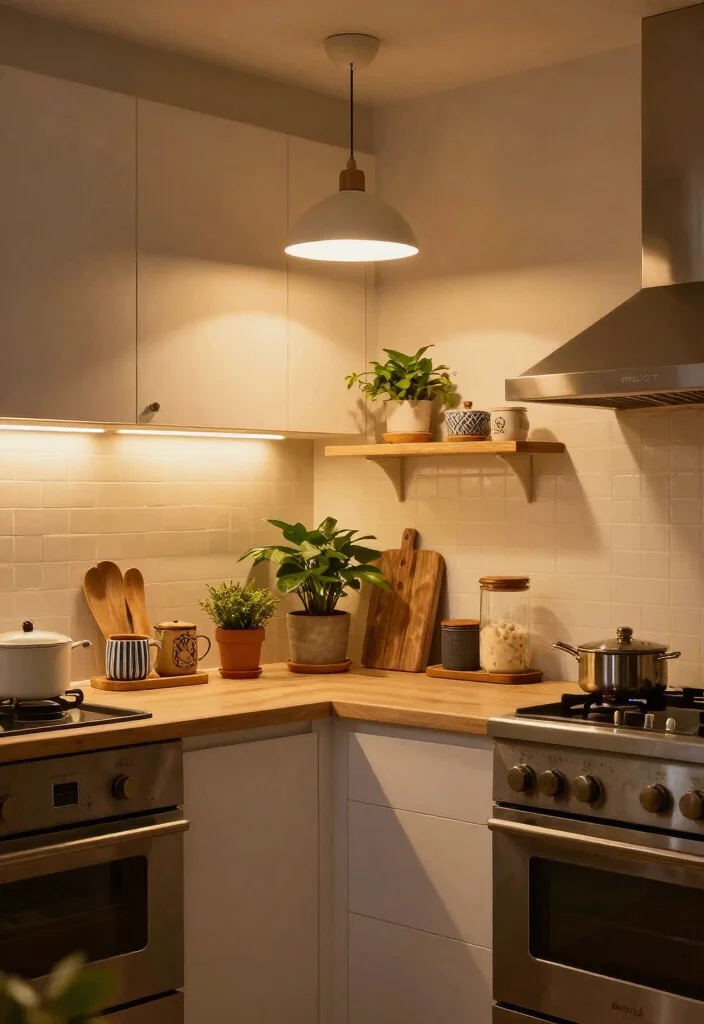
Elevating your kitchen’s lighting design is a delightful journey that combines style, sustainability, and functionality. By considering various lighting options, from eco-friendly fixtures to innovative smart systems, you can create a space that is not only beautiful but also practical. Embrace the trends that speak to you and transform your kitchen into a radiant centerpiece of your home.
Frequently Asked Questions
What makes a kitchen lighting design both functional and stylish?
In a nutshell, great kitchen lighting design combines layered lighting, task-focused brightness, and warm ambience. Start with ambient ceiling lights for overall coverage, add task lighting under cabinets for prep work, and finish with accent lighting to highlight architectural features.
Use adjustable, energy-efficient fixtures and choose a color temperature around 2700K-3000K for a welcoming glow. For sustainability, opt for LED options and dimmers to save energy and set moods. Practical steps: map work zones, calculate lumens per square foot, install under-cabinet lighting solutions, and consider pendant lights for kitchens above islands for both function and style.
How can I choose energy-efficient kitchen fixtures without sacrificing brightness?
Plan with three layers in mind — ambient, task, and accent — and pick high-efficiency LED options. Look for fixtures with ENERGY STAR labels and high lumen-per-watt (LM/W) ratings to maximize brightness per watt.
For under-cabinet work areas, choose bright, even lighting (around 3000K is popular) and ensure the lighting is dimmable so you can adjust brightness as you cook. Install dimmers and smart controls to cut energy use without losing usability. This approach keeps your kitchen lighting design practical and energy-efficient kitchen fixtures friendly while highlighting under-cabinet lighting solutions.
Are pendant lights for kitchens compatible with sustainable kitchen lighting design?
Absolutely. LED pendant lights for kitchens are a stylish way to add focal lighting without wasting energy. Choose 1-3 pendants above an island or peninsula, ensuring the height provides task light without glare. Go for pendant lights for kitchens that are LED, dimmable, and made with sustainable materials. Pair them with a complementary ceiling fixture to maintain modern kitchen lighting aesthetics. Pro tip: align color temperature with your ceiling and cabinet tones for a cohesive look and use dimmers to modulate brightness during cooking and entertaining.
What are the best under-cabinet lighting solutions for modern kitchens?
Under-cabinet lighting solutions shine where you need it most—your countertops. Options include flexible LED strips, linear LED bars, and small puck lights. For a clean look, choose low-profile fixtures with diffusers to prevent hotspots, and pick high-CRI LEDs so foods look true to color. Make them dimmable and compatible with your smart home if you like. Place strips along the front edge of cabinets for color pop and even distribution, and aim for about 300-600 lumens per meter depending on cabinet length. This setup supports a sustainable, kitchen lighting design focused on function and energy efficiency.
How should I plan ceiling lighting ideas to cover general lighting and accents in different kitchen sizes?
Start by mapping work zones and choosing a layered approach: general ceiling lighting (flush mounts or recessed LEDs) for even coverage, task lighting (spots or track) where you cook, and accent lighting to highlight shelves or architectural features. For small kitchens, use more recessed or slim-profile fixtures and a single pendant or two above an island; for larger spaces, add multiple fixtures or a statement ceiling light to anchor the room. Keep brightness balanced: aim for comfortable ambient levels and supplement with dimmable options. Choose energy-efficient options and a warm color temperature to support a sustainable kitchen lighting design.