
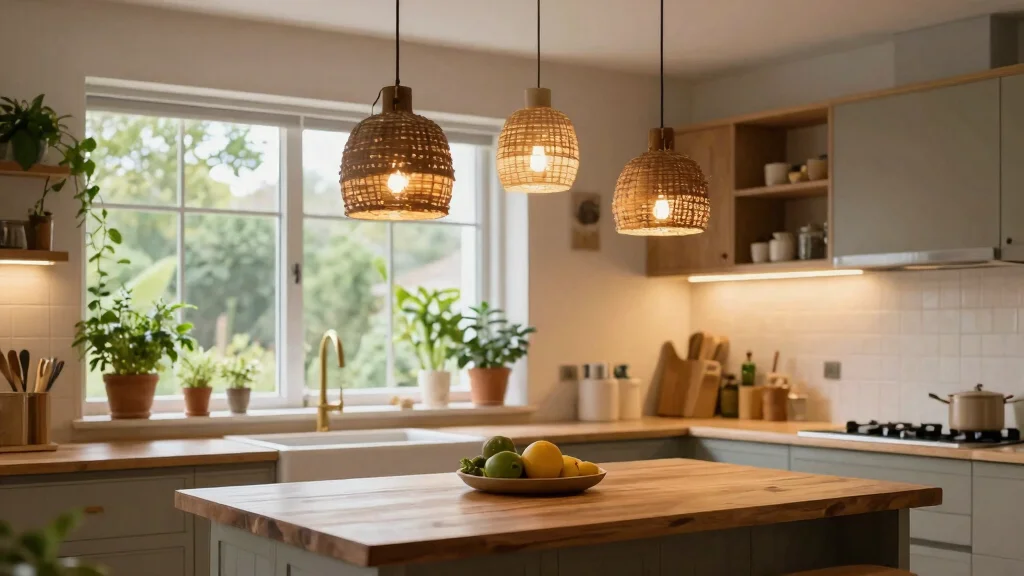


Planning a kitchen lighting layout can feel overwhelming. With all the options available, you might be left wondering how to create a balance of functionality and style. Whether you’re looking to brighten up your cooking space or add a touch of ambiance for family gatherings, understanding the different types of lighting is key. That’s why I created this post—to guide you through the essentials of kitchen lighting design and provide you with smart ideas for a balanced setup.
If you’re someone who loves cooking, entertaining, or simply enjoys a well-lit home, this guide is for you. You care about your space and want it to reflect your personality while also being functional. You want to ensure that every corner of your kitchen is well-illuminated, whether you’re chopping veggies or enjoying breakfast with loved ones. Within this post, you’ll discover twelve actionable tips that cater to all your kitchen lighting needs, from ambient lighting ideas to effective task lighting solutions.
By the end of this post, you will have a clearer understanding of how to arrange and layer your kitchen lights. You’ll learn about fixture placement, eco-friendly options, and how to create zones with lighting that enhance both the look and feel of your kitchen. Each idea is designed to help you create a welcoming environment that feels just right for your lifestyle. Let’s dive in and illuminate your kitchen!
Key Takeaways
– Embrace Natural Light: Use windows to maximize daylight, and consider sheer curtains for a gentle glow.
– Layer Your Lighting: Combine ambient, task, and accent lighting for a complete setup that serves different functions.
– Eco-Friendly Fixtures: Choose LED lights and energy-efficient options to reduce your environmental impact while saving on energy bills.
– Focus on Fixture Placement: Position lights strategically over work areas, islands, and dining spaces for optimal functionality.
– Personalize Your Choices: Select lighting styles and colors that reflect your personality and create a warm, inviting atmosphere.
Recommended Products

UNDER CABINET, CLOSET AND TASK LIGHTING — Includes four light pucks with 20 lumens each that provide bright white LED light for cabinets, closets, pantries, laundry rooms, garages and workspaces

Upgraded Premium Functionality: Built-in 84 super bright LEDs, the Gritin under cabinet light is crafted with aluminum alloy and durable ABS plastic for ultimate strength and style. Setting the under cabinet lights on motion sensor mode, it features a 120° wide sensing angle and a 3M/10FT detection distance, automatically turning off after 20 seconds of no motion detected, ensuring you never fumble for switches.

Upgraded Motion Sensor Under Cabinet Lights: Setting the under cabinet lights on motion sensor mode, they auto-on when human motion is detected within 120°and 10ft in a dark or low light environment, and auto-off after about 20 seconds of no motion detected. No longer have to worry about tripping on the step in the dark trying to turn on the switch
1. Embrace Natural Light
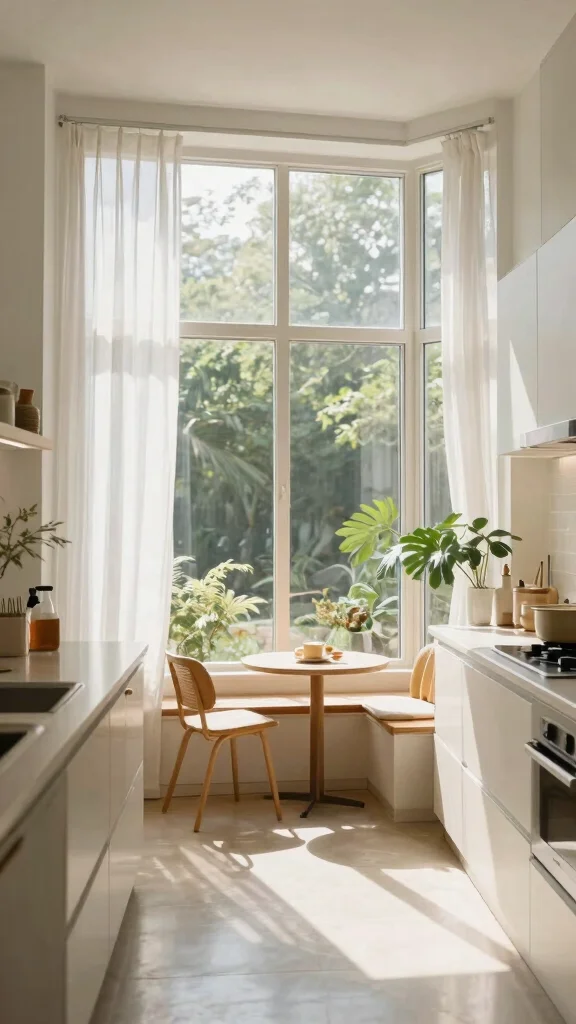
Natural light is a vital aspect of any kitchen design. Harnessing sunlight not only brightens your space but also promotes energy efficiency and a cheerful atmosphere. Imagine large windows framing a view of your garden or a skylight flooding your kitchen with warmth. These elements can transform your kitchen into a vibrant hub of activity.
To enhance this effect, consider practical solutions like sheer curtains for privacy or reflective surfaces that amplify light. You can also explore budget-friendly options like DIY window treatments that let in maximum light without breaking the bank.
Consider these ideas to maximize natural light:
– Install expansive windows to invite in more sunlight.
– Use sheer curtains to maintain privacy while allowing light.
– Incorporate light-colored walls to reflect brightness.
– Utilize mirrors to enhance the natural light flow.
By focusing on natural light, you create a welcoming environment while minimizing reliance on artificial sources, making your kitchen both inviting and sustainable.
Recommended Products

Farmhouse Style: These hanging lights in black finish reinterpret the classic lantern silhouette with a modern twist, seamlessly blending with various home decor styles. They effortlessly create eye-catching focal points in bedrooms, hallways, foyers, front porches, and entryways. Whether hung individually or in multiples, these hanging lamps add a touch of rustic charm and elegance to any space

Pendant Lights for Kitchen: 10.83"-46.26" height adjustment; 90° swivel heads perfectly center light over countertopseliminate shadows while cooking, enhancing both task lighting and farmhouse aesthetics
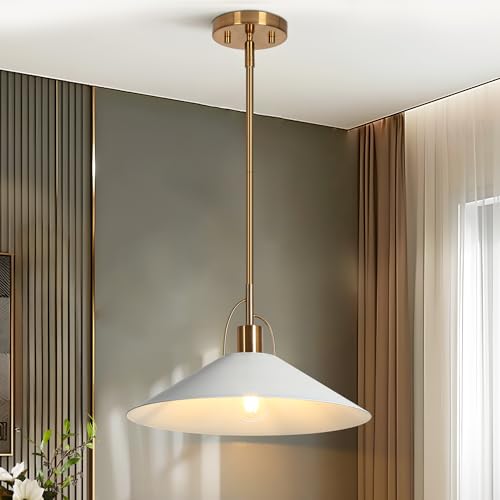
[Modern Cone Design] Featuring a sleek cone-shaped metal shade, this pendant light pairs a white finish with a plating brass rod for a contemporary and elegant look. The clean lines and contrasting colors make it a stylish addition to modern and minimalist interiors
2. Layer Your Lighting
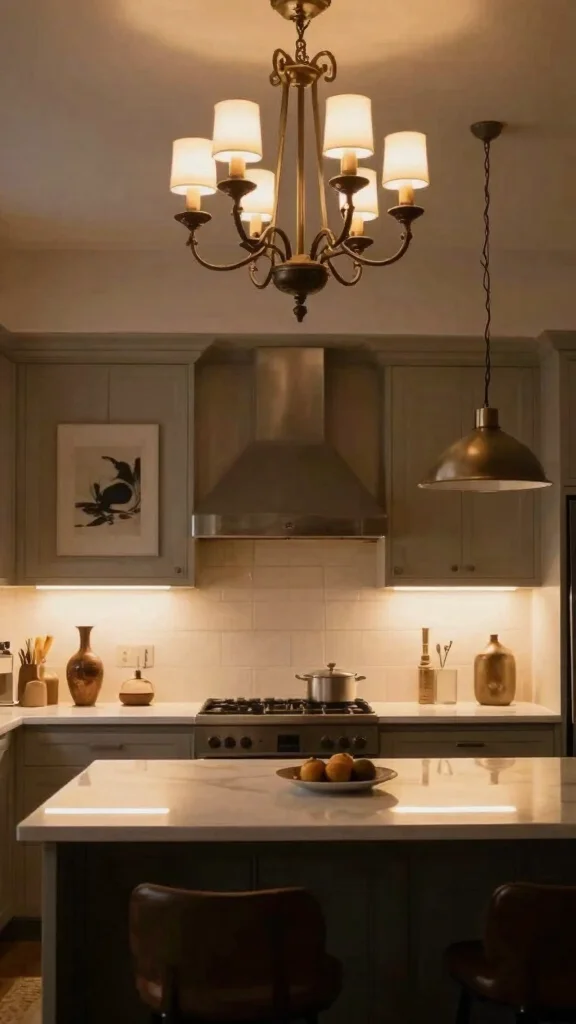
Creating a layered lighting design is essential for a functional kitchen. By mixing ambient, task, and accent lighting, you ensure your space is both practical and inviting. Think of overhead fixtures providing a general glow, under-cabinet lights illuminating prep areas, and accent lights highlighting your favorite décor.
When implementing this strategy, look for budget-friendly options like adjustable fixtures that can be repositioned as needed. This approach not only adheres to current design trends but also enhances the emotional warmth of your kitchen.
Explore these lighting types for a well-balanced design:
– Install recessed lights for ambient illumination.
– Use under-cabinet lights for focused task lighting.
– Incorporate pendant lights over islands for style and function.
– Add accent lighting to highlight artwork or features.
Thoughtfully layering your lighting elevates both the functionality and aesthetic appeal of your kitchen, creating a space that feels balanced and inviting.
Recommended Products

Multiple Lighting Modes: Center light and RGB colored ring light can be lit up at the same time. So, there are 4 lighting modes to meet all the options we need:① RGB mood ring lighting ② 3000k-6500k dimmable center light ③ center light and outer rgb mood light ④ nightlight mode. Multi color changed ceiling lamp is so fun and versatile

① 【Dual-Tone Modern Lighting】 Sleek black base with brushed champagne gold accents + smoky tinted glass creates diamond-like beams via precision-angled prism refraction—elevates luxury lofts & modern condos.

Sleek Modern Design: This contemporary flush mount ceiling light features a low-profile housing that sits neatly against the ceiling, ensuring smooth clearance for closet doors. Its durable metal frame comes in a brushed nickel finish, paired with a white plastic diffuser that evenly distributes bright, shadow-free illumination.
3. Go Green with Eco-Friendly Fixtures
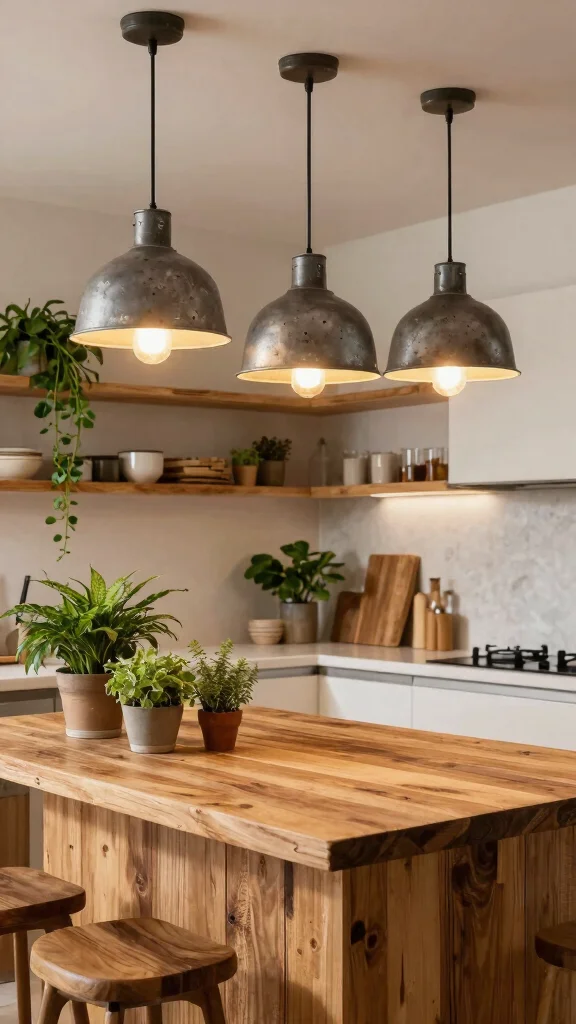
Sustainable lighting choices are increasingly accessible for modern kitchens. Opting for energy-efficient fixtures and recycled materials not only reduces your environmental impact but also enhances your kitchen’s appeal. Imagine sleek LED bulbs that last longer and use less energy illuminating your space beautifully.
For a budget-friendly approach, explore local stores for sustainable options that fit your style. You can even consider DIY solutions, such as repurposing vintage fixtures, to create a unique look.
Consider these eco-friendly lighting ideas:
– Choose LED bulbs for energy savings.
– Select fixtures made from bamboo or recycled metals.
– Incorporate solar-powered lights for outdoor areas.
Switching to eco-friendly lighting solutions enhances your kitchen’s aesthetic while supporting a greener lifestyle, creating a stylish yet sustainable environment.
Did you know a well-planned kitchen lighting layout can cut energy use by up to 70% with LED fixtures? Green choices like recycled fixtures add style and curb appeal. DIY repurposing keeps costs low while helping the planet.
Recommended Products

Smooth Dimming Capability: Enjoy smooth 10%-100% stepless dimming with soft bright mr16 indoor LED bulb; experience vibrant natural lighting from full brightness to dim cozy light.
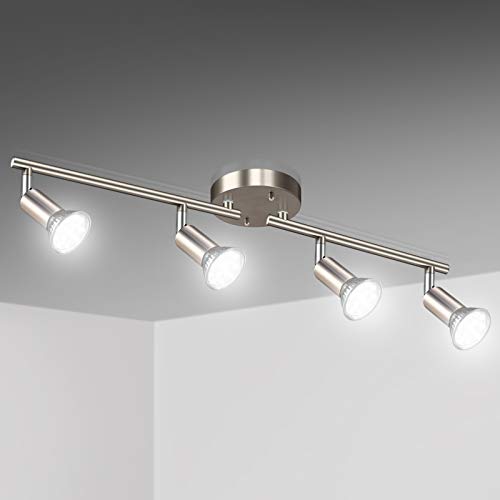
Concise Design: The Unicozin led track lights has an industrial yet traditional design, the straight line of the track bar pairs with the exposed socket construction and is finished off with a matt silver to complete the perfect minimalist design
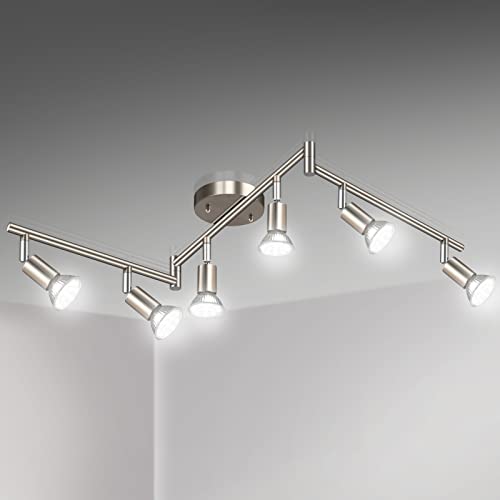
Concise Design: The Unicozin led track lights has an industrial yet traditional design, the straight line of the track bar pairs with the exposed socket construction and is finished off with a matte silver to complete the perfect minimalist design
4. Use Adjustable Lighting
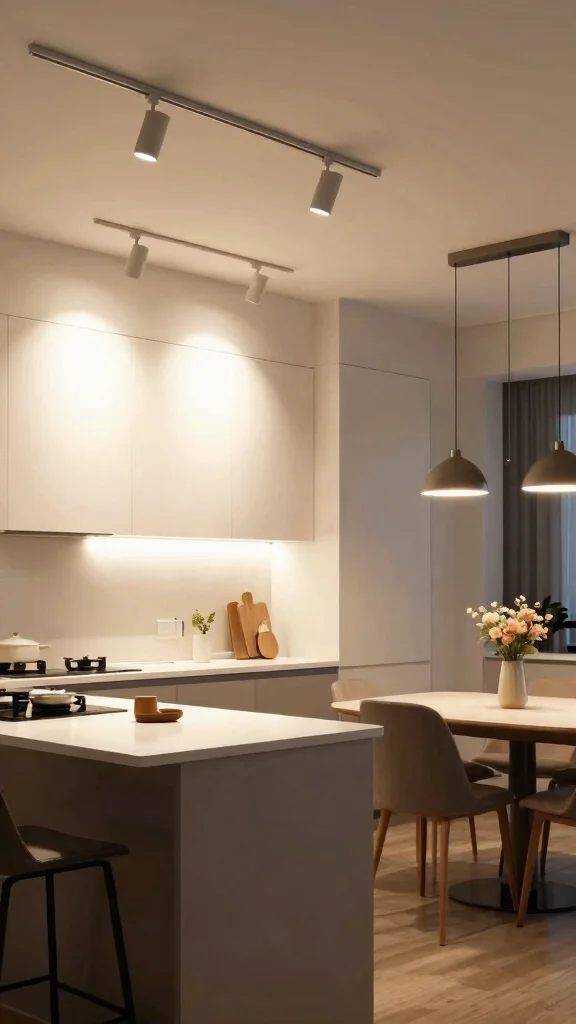
Adjustable lighting adds versatility to your kitchen, allowing you to customize the ambiance for various activities. Dimming switches can transform the mood from bright and energizing during cooking to soft and cozy for evening gatherings. Imagine adjusting your overhead lights to create the perfect setting for dinner with friends.
To implement this, install dimmers on your main fixtures and choose track lighting that can be directed where needed. You can also find pendant lights with adjustable heights, making it easy to adapt your lighting for different tasks.
Incorporate these adjustable lighting solutions:
– Install dimmers for overhead fixtures.
– Use track lighting to direct light effectively.
– Choose pendant lights with customizable heights.
By embracing adjustable lighting, you can create a kitchen that effortlessly transitions from functional workspace to a cozy gathering spot, enhancing the overall experience.
Recommended Products

【6-Light 25-Inch Wide Chandelier】With a well-balanced 25-inch width and depth, this matte black chandelier creates a refined focal point over any table or kitchen island. A 25-inch chandelier is ideal for a 30×60 inch rectangular table (4–6 people), and also works well for compact dining spaces and kitchen islands where proportion matters. This versatile black chandelier light fixture complements farmhouse, modern, or transitional decor, making it an ideal lighting choice for dining rooms, kitchens, foyers, or living areas. It also works beautifully as black pendant lighting above a kitchen island.

【Rustic Chandelier】 This farmhouse round chandelier features a forest and animal cutout, and is made of matte black metal, perfectly combining rustic charm with modern and vintage styles. Its simple and artistic design adds a touch of nature's beauty to any space, adding a unique artistic charm to your cottage.

Design: Silver drum chandelier are made by highly skilled craftsmen. The classic combination of silver and gold, the stylish retro double-layer drum frame design, makes this drum ceiling light full of moden farmhouse atmosphere. Perfect for dining room, living room, kitchen island, entryway, hallway, foyer, etc.
5. Focus on Fixture Placement
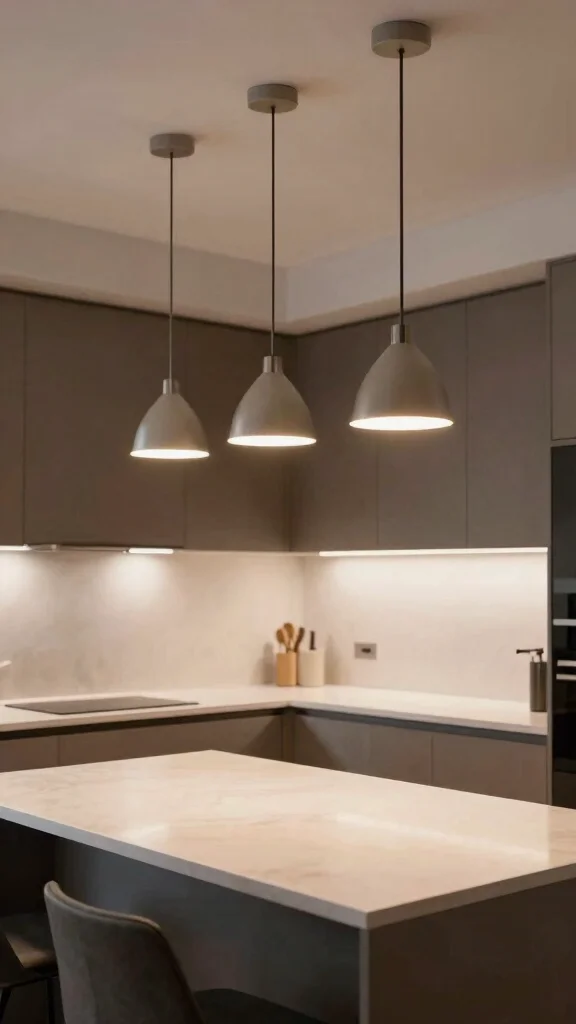
The strategic placement of lighting fixtures is crucial for maximizing your kitchen’s functionality. A thoughtful arrangement ensures every area receives the right amount of light. Imagine bright lights directly over your countertops and warm pendant lights above the dining table, creating a harmonious balance.
For a budget-friendly approach, consider repositioning existing fixtures to optimize their effectiveness. This simple adjustment can significantly elevate your kitchen’s design and usability.
Pay attention to these placement tips:
– Position lights above work areas like the stove.
– Hang pendant lights over islands or dining spaces.
– Use accent lights to highlight cabinets or art pieces.
By prioritizing fixture placement, you enhance both the functionality and visual appeal of your kitchen, making it a stylish yet practical space.
Recommended Products

Upgraded Motion Sensor Under Cabinet Lights: Setting the under cabinet lights on motion sensor mode, they auto-on when human motion is detected within 120°and 10ft in a dark or low light environment, and auto-off after about 20 seconds of no motion detected. No longer have to worry about tripping on the step in the dark trying to turn on the switch

Upgraded Premium Functionality: Built-in 128 super bright LEDs, the Gritin under cabinet light is crafted with aluminum alloy and durable ABS plastic for ultimate strength and style. Setting the under cabinet lights on motion sensor mode, it features a 120° wide sensing angle and a 3M/10FT detection distance, automatically turning off after 20 seconds of no motion detected, ensuring you never fumble for switches.

Upgraded Motion Sensor Under Cabinet Lights: Setting the under cabinet lights on motion sensor mode, they auto-on when human motion is detected within 120°and 10ft in a dark or low light environment, and auto-off after about 20 seconds of no motion detected. No longer have to worry about tripping on the step in the dark trying to turn on the switch
How To Choose The Right Kitchen Lighting Layout
Choosing the right kitchen lighting layout can feel overwhelming. With so many options available, it’s crucial to focus on key factors that will enhance the functionality and aesthetic of your kitchen. To help you make the best decisions, consider the following criteria:
1. Determine Your Lighting Needs
Start by assessing your kitchen’s tasks and activities. Do you need bright light for cooking, or softer lighting for dining? Identifying these needs will guide your choice of ambient, task, and accent lighting. For instance, you might prefer brighter task lighting above work surfaces while opting for warmer ambient lighting in dining areas.
2. Consider Fixture Placement
The placement of your fixtures can significantly affect the overall lighting. Think about the layout of your kitchen. Common areas to install fixtures include under-cabinet spaces, over islands, and above dining tables. Measure the distances carefully; for example, pendant lights should hang 30-36 inches above the countertop for optimal illumination.
3. Choose Energy-Efficient Options
Sustainable kitchen lighting solutions not only help the environment but also save you money on energy bills. Look for LED fixtures, which consume less power and have a longer lifespan compared to traditional bulbs. You might also explore solar-powered options if your kitchen has sufficient natural light.
4. Layer Your Lighting
A successful kitchen lighting layout incorporates layers of light. Combine ambient lighting (general illumination), task lighting (focused light for specific activities), and accent lighting (decorative elements). This balance creates a warm, inviting space. For instance, you could install recessed lighting for ambient light, under-cabinet lights for tasks, and decorative fixtures for accents.
5. Think About Color Temperature
The color temperature of your lighting influences the mood of your kitchen. For workspaces, opt for cooler, brighter lights (around 5000K) that mimic daylight. In contrast, warmer lights (around 2700K) can create a cozy atmosphere for dining. Mixing these temperatures allows flexibility depending on the time of day and activities.
6. Personalize Your Style
Finally, choose fixtures that match your kitchen’s aesthetic. Whether you prefer modern, rustic, or industrial styles, your lighting should align with your overall decor. Don’t be afraid to mix and match different styles for a unique look. A sleek pendant light over a rustic table can make a striking statement.
Pro Tip: Always test your lighting choices before making a final decision. Use dimmers to adjust the intensity and see how the colors change throughout the day. This will help you find the perfect balance for your kitchen ambiance!
Recommended Products

Downrod Stiff Poles for black pendant light - this modern pendant light come with threaded straight rods in multiple lengths.Multiple Stems Rods 3 Units 12 Inch 3 Units 4 Inch.And tilting swivel canopy for flat, vaulted or sloped ceilings up to 54" high.
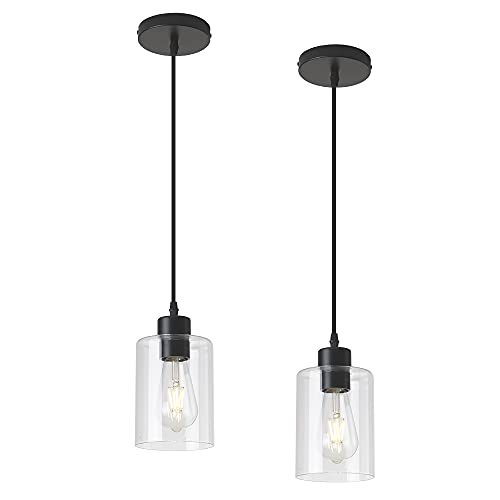
Note sold by KLSS is original design◆DIMMABLE AND WORKS WITH MOST BULBS - Fully dimmable when used with a dimmable bulb and compatible dimmer switch. Uses medium base bulbs including LED, CFL, Halogen and Edison bulbs, compatible with most smart bulbs

【Unique Design】This crystal chandelier light fixture is crafted with 3-tier high-quality crystal and Aluminum frame, sturdy in construction. It will update your home with its luxury style and eye-catching design. And showing a kind of artistic beauty under the kithen island lighting. It is good Ideal for home decoration.
6. Mix and Match Styles
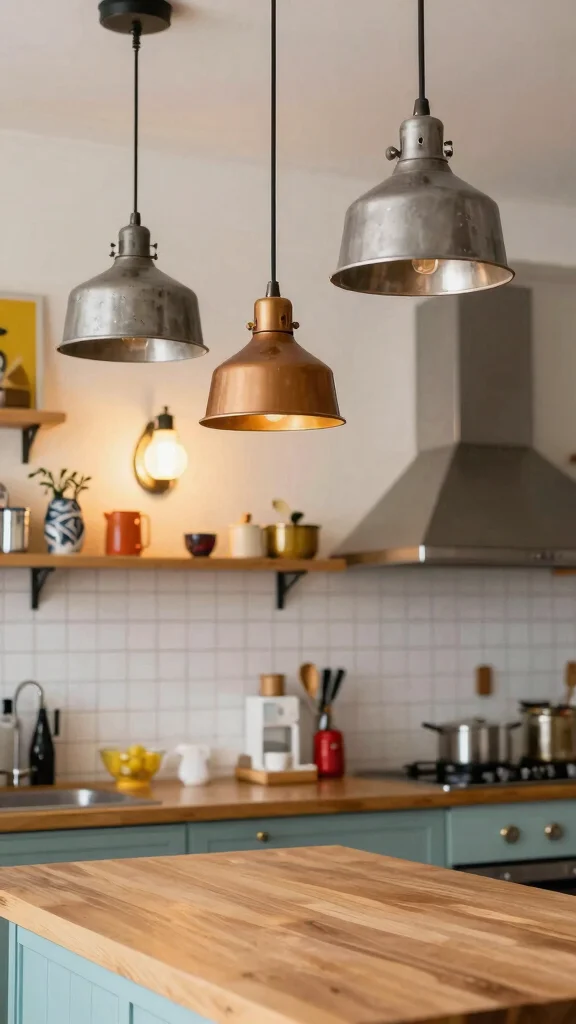
Embracing a mix of lighting styles can infuse your kitchen with character and charm. Combining different designs allows you to create a unique aesthetic that reflects your personality. Picture sleek modern fixtures paired with rustic vintage accents, crafting an eclectic vibe full of warmth.
To achieve this look on a budget, explore thrift shops for unique finds or consider DIY projects to blend styles seamlessly. This approach not only adds interest but also showcases your creativity.
Try these mixing techniques:
– Pair modern fixtures with vintage accents.
– Combine finishes like brass and chrome for contrast.
– Mix shapes like round and linear fixtures.
By mixing and matching lighting styles, you create an inviting atmosphere that feels personal and distinctive.
Fun fact: 2 lighting styles can boost a kitchen’s warmth by 20% and cut fixture costs by up to 40%. Mix sleek modern with rustic vintage, and thrift-shop finds or DIY tweaks seal a budget-friendly, character-rich vibe.
Recommended Products

Unprecedented Ultra-thin Ceiling Lights - We've used cutting-edge raw materials renowned for their flexibility and strength to create this incredibly slim round led light, measuring just 0.67 inches thick. This design surpasses the thickness limitations of traditional lights for ceiling. Regardless of your ceiling height, it seamlessly integrates into your home decor, adding a modern and stylish allure

Multiple Connection Methods: This smart ceiling light can be controlled through various methods, including remote control, smart life app, Tuya app. With a variety of functions, the manual provides specific usage instructions

STYLISH: Simple, elegant design to complement the interior of any home
7. Incorporate Smart Lighting
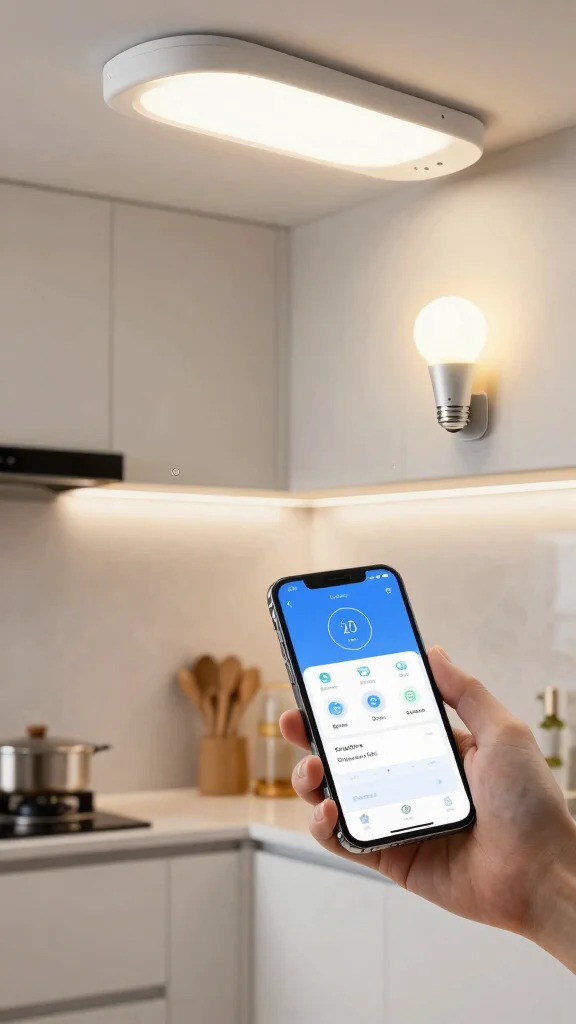
Smart lighting technology can take your kitchen experience to new heights. With smart bulbs and fixtures, controlling your lighting becomes effortless and convenient. Imagine adjusting brightness and color with a simple voice command or through your smartphone, making it perfect for any occasion.
For a budget-friendly approach, start small with smart bulbs that fit into your existing fixtures. As technology advances, you can gradually integrate more smart features into your kitchen.
Explore these smart lighting options:
– Use smart bulbs for color and brightness control.
– Incorporate motion sensors for automatic illumination.
– Set schedules for lights to enhance energy efficiency.
Smart lighting not only adds convenience but also offers a modern touch to your kitchen, enhancing both functionality and style.
Recommended Products

Neat Design: The track lighting is made of sturdy metal, with flexible arms and adjustable track heads, with smooth line structure and durability. Its modern and neat design can bring extremely comfortable lighting effects to your home
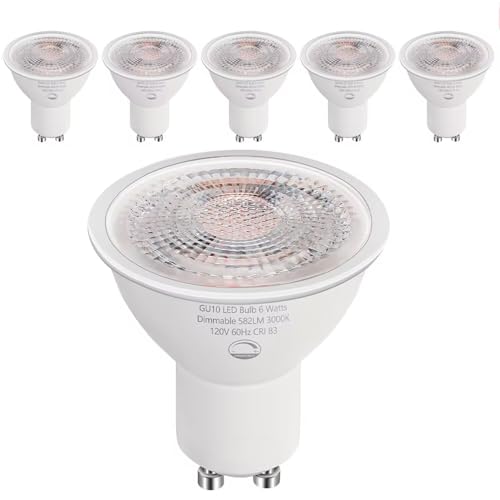
【Warning】 Do not use in candle warmers. This is the wrong type of GU-10 bulbs.

Concise Design: The Unicozin led track lights has an industrial yet traditional design, the straight line of the track bar pairs with the exposed socket construction and is finished with matte black to complete the perfect minimalist design
8. Use Color Temperature Wisely
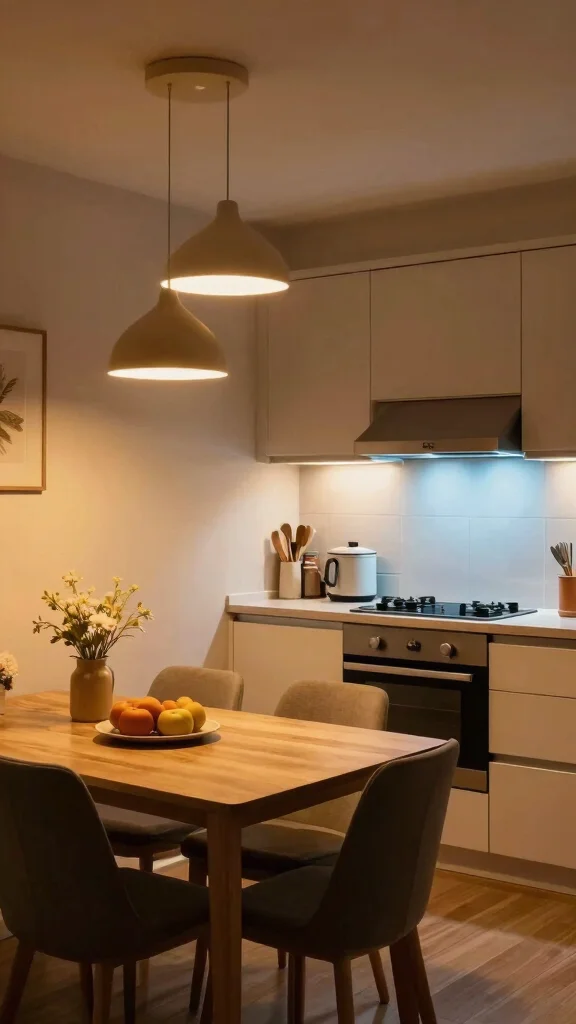
Choosing the right color temperature for your kitchen lighting can significantly affect the mood and functionality of the space. Color temperature, measured in Kelvins (K), shapes how we perceive light in our kitchens. Warmer tones create a cozy atmosphere, while cooler tones provide clarity for food preparation.
For a budget-friendly approach, consider using multi-temperature bulbs that can adjust according to your needs. This flexibility allows you to shift the ambiance with ease, creating zones for different activities.
Apply these color temperature strategies:
– Choose warm tones (2700K-3000K) for a cozy feel.
– Use cooler tones (3500K-4100K) for a clean, energizing light.
– Combine temperatures to define different kitchen areas.
Understanding and applying color temperature can transform your kitchen experience, enhancing both its functionality and aesthetic appeal.
Recommended Products
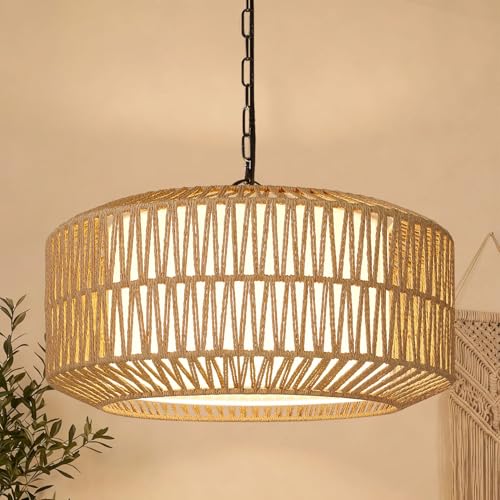
Upgraded 5-Light Farmhouse Chandelier – Two-Layer Rope Design: This hand-woven rattan light fixture combines natural rattan and durable metal for a rustic yet modern boho light fixture. The 20" diameter and 360° light diffusion create a warm, bohemian atmosphere, making it the perfect dining room light fixture or centerpiece for any room.

Modern Farmhouse Design: Bring a stylish modern farmhouse touch to your home with Homzuri chandelier featuring a matte black metal frame paired with a crystal-clear glass shade. Its clean lines and minimalist silhouette create a fresh, contemporary look that complements a wide range of interior styles. Ideal for kitchens, dining rooms, and living spaces.

Adjustable Height & Easy Installation: This farmhouse island light comes with adjustable chains, suitable for both flat and sloped ceilings, allowing you to tailor the height as desired. With the help of the manual and installation guide video here,it would be a breeze to install it. Note: please check the item condition and accessories instantly upon receiving parcel
9. Consider Task-Specific Lighting
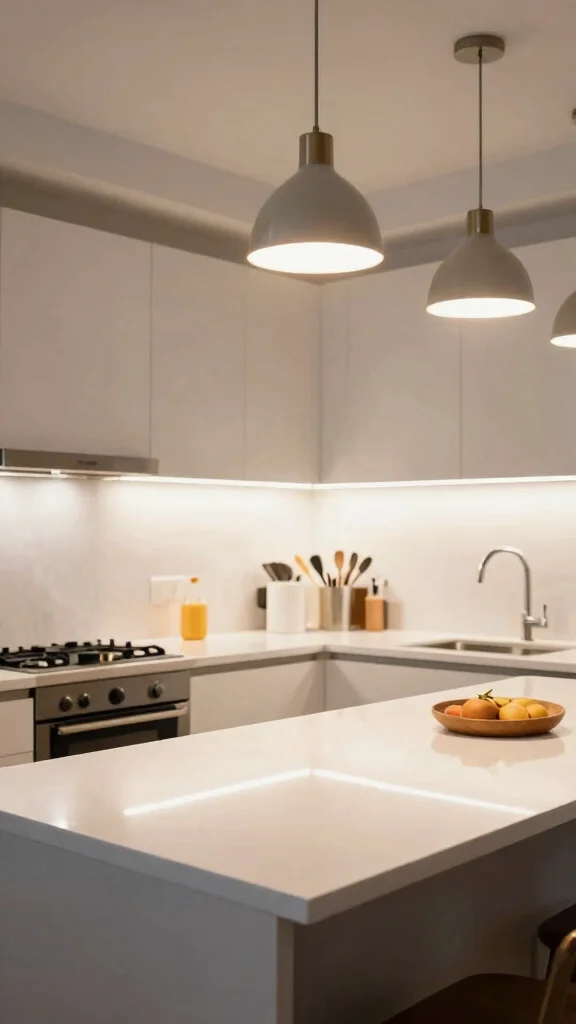
Different tasks in the kitchen require specific lighting to enhance functionality. Identifying areas that need focused illumination allows you to optimize your kitchen experience. For instance, bright task lighting over countertops ensures you can see clearly while preparing meals.
To implement this without overspending, consider using adjustable fixtures that can be repositioned as needed. This simple adjustment can make a significant difference in how effectively you use your space.
Focus on these task-specific lighting ideas:
– Install bright lights over countertops for food prep.
– Use pendant lights over islands for style and function.
– Create a well-lit area near your baking station.
Task-specific lighting not only enhances the beauty of your kitchen but also makes it a practical workspace for all your culinary adventures.
10. Create Zones with Lighting
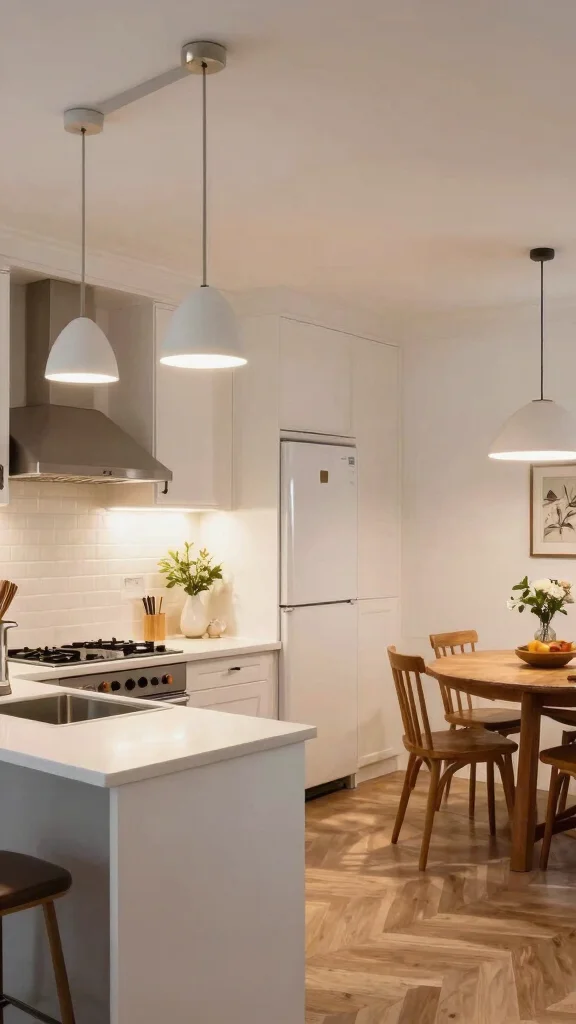
Zoning is a crucial strategy for a well-rounded kitchen lighting layout. By defining distinct lighting areas, you enhance both the functionality and aesthetics of your space. Imagine clearly lit zones for cooking, dining, and entertaining, each with its unique ambiance.
To achieve this, consider using separate fixtures for each area and adjustable lighting that can adapt to your needs. This thoughtful approach helps create a natural flow through your kitchen.
Utilize these zoning ideas:
– Use different fixtures for cooking, dining, and entertaining.
– Incorporate adjustable lighting for ambiance control.
– Add accent lighting to define each area.
Smart zoning creates a visually appealing and practical kitchen that caters to all your activities, making it a lovely space for cooking and hosting alike.
11. Don’t Forget About Variations
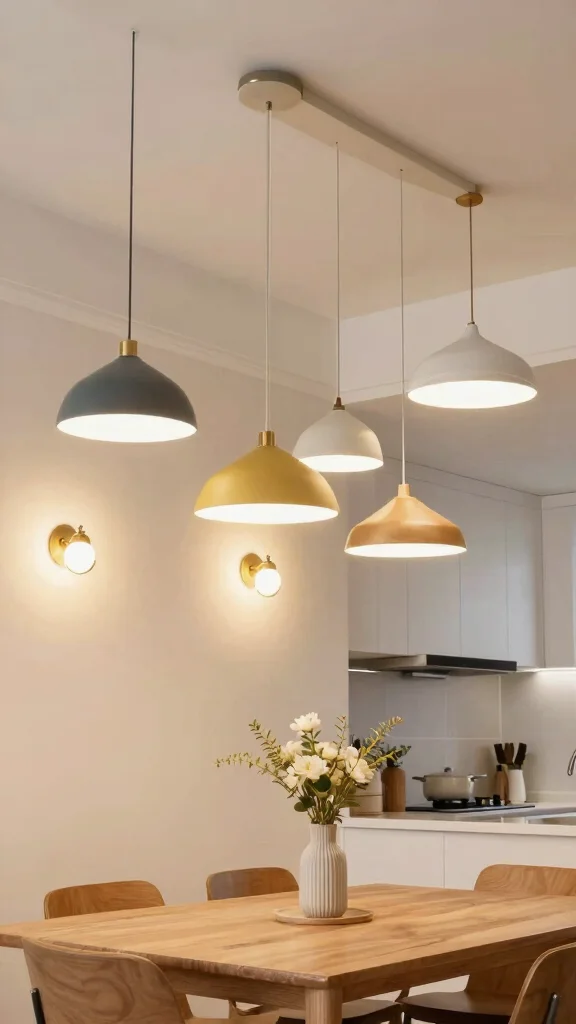
Introducing variations in your lighting design can create visual interest and depth in your kitchen. Utilizing different styles, sizes, and types of fixtures not only improves functionality but also enhances the overall design. Picture an assortment of pendant shapes above the dining area, creating a lively focal point.
For a budget-friendly approach, mix existing fixtures with new finds to create a curated look. This playful combination can turn your kitchen into a dynamic space that feels alive and engaging.
Experiment with these variation strategies:
– Use various pendant shapes over dining spaces.
– Mix wall sconces with ceiling fixtures for added variety.
– Adjust light levels for different times of day.
Incorporating variations adds character to your kitchen, guiding the eye and elevating the space’s overall design.
Fun fact: A diverse kitchen lighting layout with varied pendant shapes can boost visual depth and perceived space by up to 20%. Mix sizes and styles to improve function and ambiance, then blend existing fixtures with new finds for a budget-friendly, curated look.
12. Personalize Your Lighting Choices
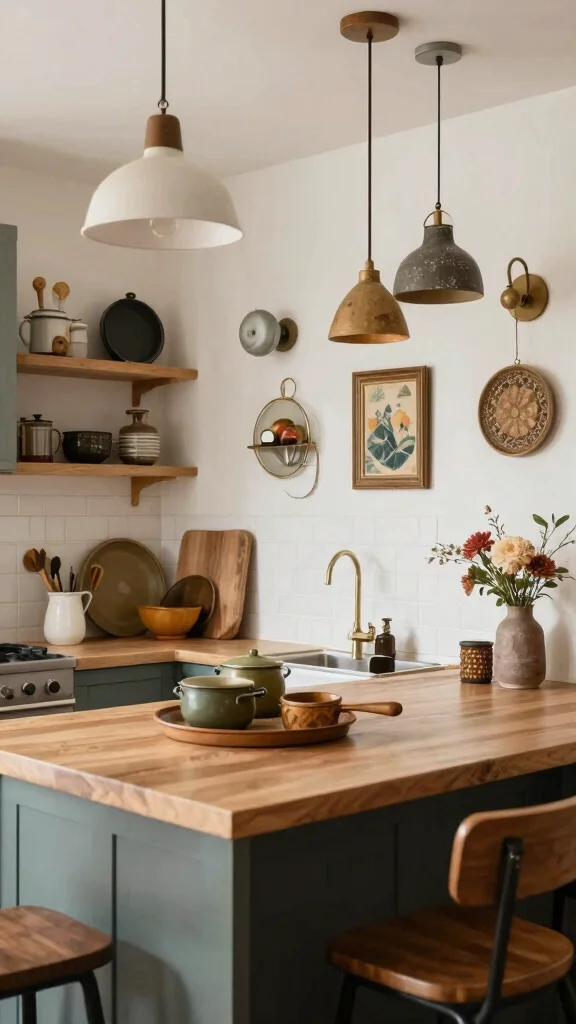
Your kitchen should reflect your unique story, and your lighting choices play a significant role in that narrative. Personalizing your lighting creates a warm and inviting atmosphere that truly feels like home. Opt for unique fixtures that resonate with your style, whether it’s rustic, modern, or eclectic.
To bring personality into your space on a budget, explore handmade or artisan pieces that inspire you. This touch of individuality can elevate your kitchen’s charm, creating a space that feels special and welcoming.
Consider these personalization tips:
– Choose unique fixtures that reflect your style.
– Incorporate artisan pieces that inspire you.
– Use color and design to showcase your personality.
When your lighting aligns with your personal style, it enhances the warmth and character of your kitchen, making it a cherished space for family and friends.
Conclusion
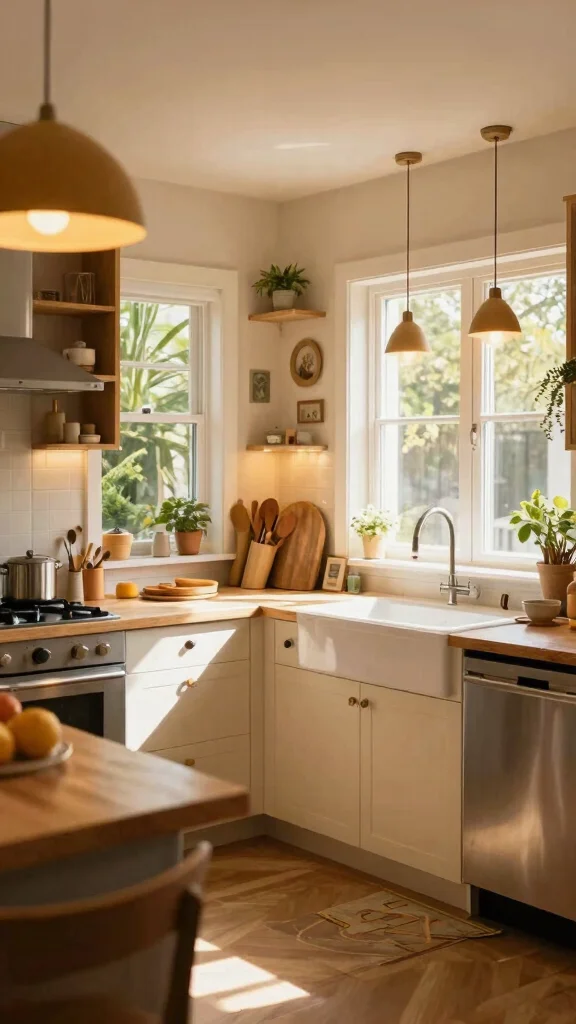
With these 12 smart ideas, planning your kitchen lighting layout becomes a creative and enjoyable endeavor. From sustainable solutions to smart designs, each element plays a vital role in creating a balanced and functional kitchen.
Remember that every choice should enhance the beauty and practicality of your space, making it a welcoming hub for family and friends. Dive into your lighting project with enthusiasm and let your kitchen shine!
Note: We aim to provide accurate product links, but some may occasionally expire or become unavailable. If this happens, please search directly on Amazon for the product or a suitable alternative.
This post contains Amazon affiliate links, meaning we may earn a small commission if you purchase through our links, at no extra cost to you.
Frequently Asked Questions
What are the essential steps to plan a kitchen lighting layout for a balanced setup?
Start with a clear plan for your kitchen lighting layout. Begin by identifying zones: prep area, cooking area, dining space, and storage. Then map the three lighting layers you’ll use: ambient lighting ideas, task lighting solutions, and accent lighting. For kitchen lighting design, pick color temperature around 2700–3000K for a warm vibe in most kitchens, or 3500K for a brighter, more contemporary look.
Next, decide where to place fixtures: overhead ceiling lights or recessed cans for even ambient coverage; under-cabinet lighting for task lighting solutions along countertops; and pendant lights or linear fixtures above islands for style and function. Use lighting layout tips like maintaining even distribution, avoiding glare, and ensuring easy wall-switch access. Finally, favor energy-efficient options like LEDs and plan for controls (dimmers or smart switches) to keep things flexible and sustainable.
How can I balance ambient lighting ideas with task lighting solutions in a sustainable kitchen?
Think of ambient and task lighting as two teammates working together on your kitchen lighting layout. Start with ambient lighting ideas: a central ceiling fixture or recessed cans that cast even light without harsh shadows. Then layer in task lighting solutions—under-cabinet lights, drawer lighting, and pendant fixtures that illuminate work surfaces. For sustainability, choose LED fixtures, place dimmers, and add daylight-aware controls so you can reduce artificial light when windows provide enough daylight. Create zones with separate switches or smart controls to tailor brightness for cooking, chopping, or cleaning. This approach keeps the space feeling welcoming while minimizing energy use and supporting kitchen lighting design goals.
Where should kitchen fixture placement be focused for an optimal lighting layout?
Start fixture placement with your work zones in mind. Place primary ambient light overhead to cover prep and cooking areas evenly, and avoid placing fixtures directly over your head to reduce glare. Add task lighting solutions along every countertop where you chop and measure, preferably under-cabinet lighting. Hang pendant lights or a linear fixture above islands or dining nooks to bring both function and style. Align fixtures with cabinet edges or the center of work zones for a balanced look, and leave space for future changes in layout. In short, kitchen fixture placement should support the flow of your kitchen tasks while keeping energy efficiency in mind.
What are practical sustainable lighting options for a kitchen and how do I implement them in the layout?
Go for LED-based options to keep energy use low without sacrificing brightness. Choose ambient lighting ideas like recessed LEDs or flush mounts that blend into the ceiling, and pair them with task lighting solutions under cabinets for precise visibility. Consider daylight harvesting: position windows and translucent shades to bring in natural light and use smart controls or dimmers to adjust artificial light as daylight changes. For sustainability, select durable fixtures with long lifespans and use kitchen lighting design principles to keep the layout logical and flexible. This is where lighting layout tips like zoning lights and planning for future upgrades come in handy.
How can I adjust my kitchen lighting layout over time as needs change?
Think modular and flexible. Start with a core kitchen lighting layout that covers a balanced mix of ambient, task, and accent light. Use adjustable or track lighting for task lighting solutions that you can point where you cook most as your needs evolve. Add dimmable fixtures and smart controls to tune brightness for different seasons or activities, and plan for easy upgrades—swap out pendants, swap to brighter LEDs, or add additional under-cabinet strips. Keep daylight considerations in mind so you don’t over-light when the sun is shining. With these lighting layout tips, your kitchen will stay efficient, beautiful, and adaptable.
Related Topics
home decor
kitchen lighting layout
sustainable solutions
ambient lighting
task lighting
lighting design tips
fixture placement
modern kitchens
beginner friendly
eco-friendly lighting
DIY kitchen
balanced lighting setup
