
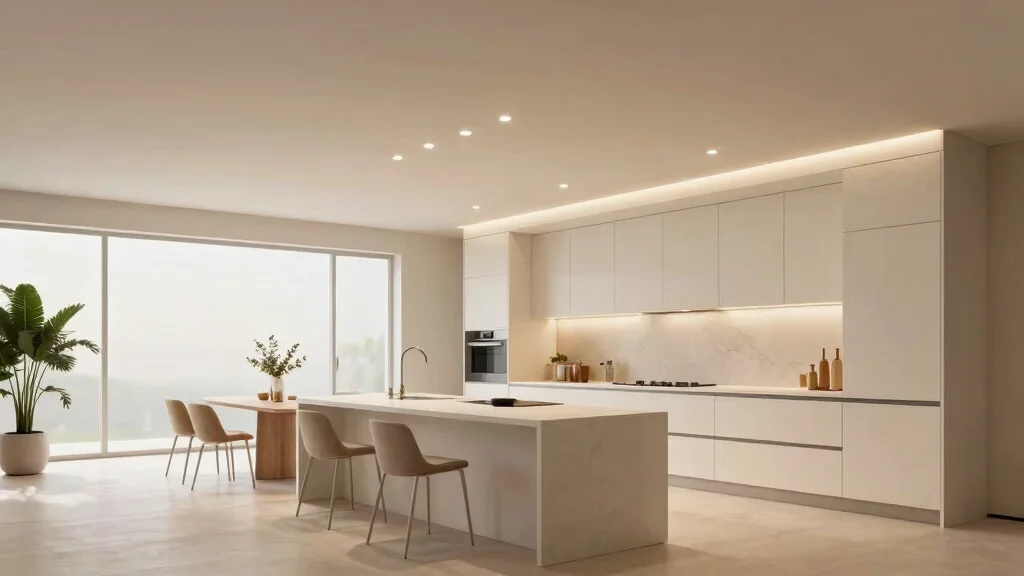


Recessed kitchen lighting can turn your culinary space into a modern marvel. You might be craving a clean ceiling look that offers both functionality and style. With the right layout, you can achieve that perfect balance of aesthetics and even lighting coverage. This post explores twelve innovative ideas for recessed kitchen lighting layouts designed to enhance your home decor while maintaining a minimalist vibe.
If you’re passionate about modern kitchen decor or simply looking to upgrade your existing space, you’re in the right place. This guide is for homeowners, interior design enthusiasts, and anyone who loves the idea of a sleek and bright kitchen. Whether you have a cozy nook or a spacious cooking area, the right recessed lighting can make a world of difference.
What will you gain from this post? You’ll explore practical tips and creative ideas to ensure your kitchen not only looks good but also feels inviting and functional. From layered lighting designs to smart home features, you’ll have a toolkit of options to create a warm ambiance and highlight your kitchen’s best features. So, let’s dive in and illuminate your kitchen!
Key Takeaways
– Layered Lighting: Implement different light sources for versatility in your kitchen environment, combining ambient, task, and accent lighting for a well-rounded look.
– Grid Pattern Layout: Use a grid layout for your recessed lights to ensure even lighting coverage across the entire space, eliminating dark corners and enhancing visibility.
– Accent Lighting Features: Highlight architectural elements or decorative features in your kitchen with strategic accent lighting, creating focal points that draw the eye.
– Smart Lighting Options: Consider smart lighting solutions that allow you to control brightness and color from your smartphone, making it easy to set the mood for different occasions.
– Minimalist Fixture Choices: Choose minimalist light fixtures that reflect a clean aesthetic, ensuring your kitchen remains uncluttered while still being stylish and functional.
Recommended Products
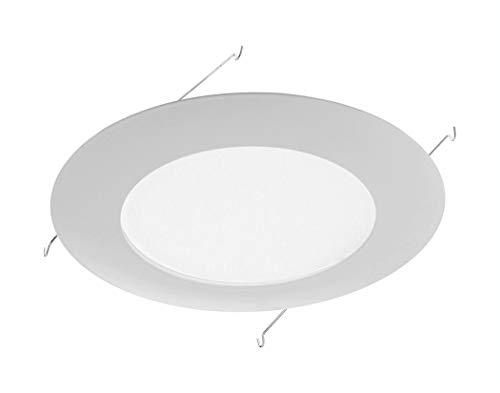
Requires one A19 bulb rated up to 60-Watts Max. (not included)

Requires one BR40 or PAR38 bulb rated up to 150-Watts Max. (not included)
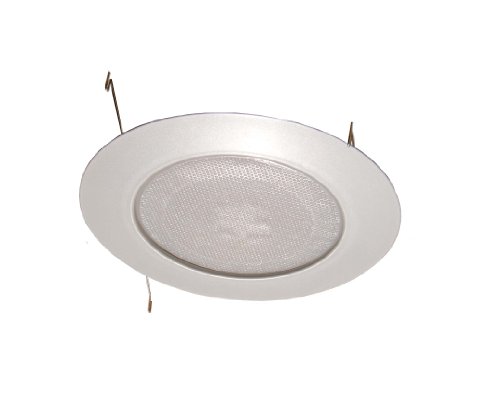
Color: White Ring With Albalite Glass lens
1. Layered Lighting for Versatility
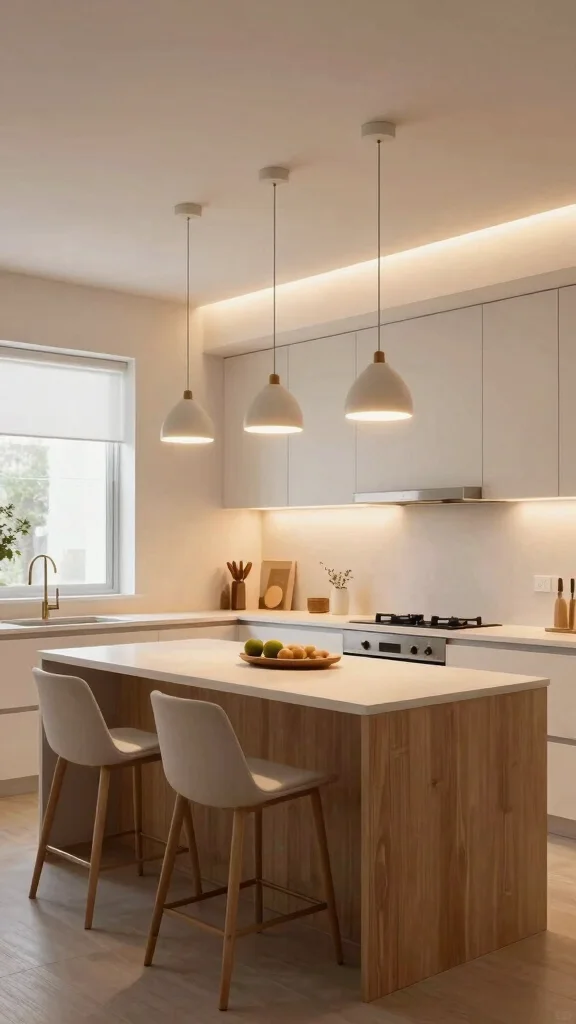
Embracing a layered lighting approach in your kitchen can significantly elevate its functionality and aesthetic charm. By harmonizing ambient, task, and accent lighting, you effortlessly create an adaptable space that caters to cooking, dining, and entertaining. Think about using recessed lights alongside beautiful pendant lights over your island and under-cabinet lights to cultivate a warm, inviting atmosphere. This thoughtful arrangement not only enhances visual appeal but also minimizes shadows, allowing your kitchen decor to shine.
To make the most of this layered lighting strategy, consider these practical tips:
– Use dimmer switches to control brightness and mood.
– Position task lights directly over work areas for optimal visibility.
– Blend various light temperatures to enrich the ambiance.
– Select fixtures that resonate with your kitchen’s overall style for a unified look.
This layered lighting design not only boosts the kitchen’s functionality but also enriches its overall beauty, making it a welcoming haven for all.
❝ Embrace a layered lighting plan: mix ambient, task, and accent lights to transform a kitchen into a versatile space. For a kitchen lighting recessed layout, use recessed lights with pendant accents over the island and under-cabinet strips for even, shadow-free coverage. ❞
Recommended Products
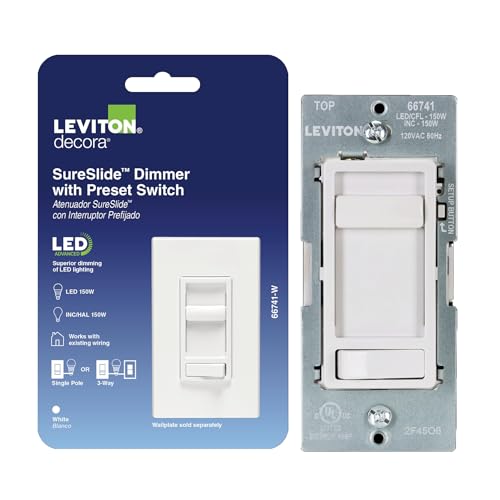
SET THE VIBE – SureSlide Dimmer Switch delivers smooth, reliable lighting control to adjust overhead lights—from bright task lighting to a soft ambient glow to create the perfect atmosphere

WHEN QUALITY MATTERS: For flicker-free dimming, the Lutron Ariadni dimmer switch is continuously tested with today's LEDs for flicker-free dimming. Visit Lutron's LED compatibility tool to find the LED bulbs perform the best

5 CCT-in-1: 5 color temperature(2700K, 3000K, 3500K, 4000K, 5000K) is selectable to you, which successfully eliminates the hassle of returning or exchange products due to inappropriate color temperature. Just slide the switch on the side of the J-box and you will get the most-desired color that best fit in your room type.
2. Grid Pattern for Even Coverage
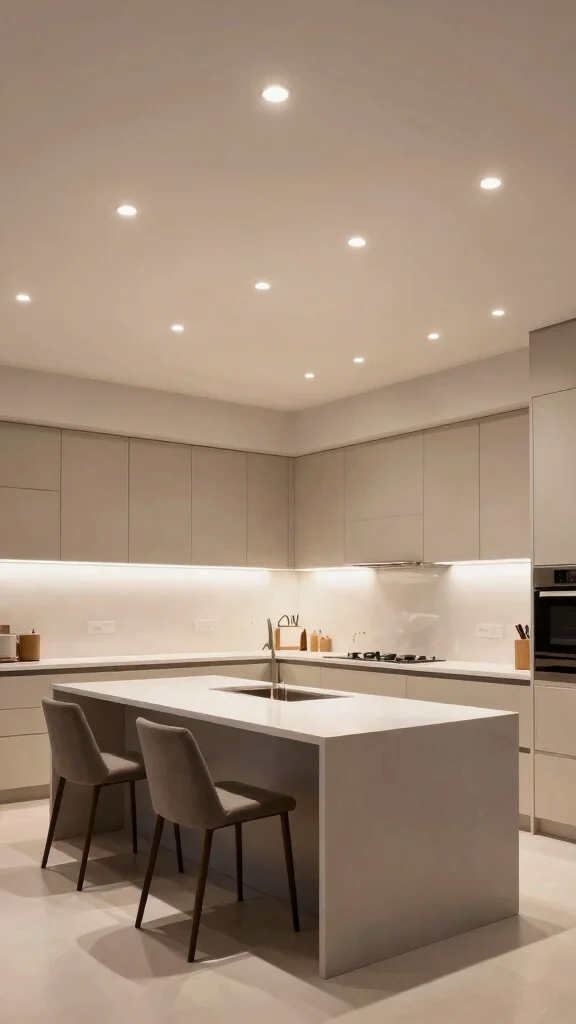
Adopting a grid pattern for your recessed lighting layout is a straightforward yet effective method to achieve even illumination throughout your kitchen. This strategic spacing eliminates dark corners, creating a bright and welcoming environment, especially in larger spaces where shadows may lurk. Aim to space your lights about four to six feet apart, aligning them with essential kitchen features like countertops and islands for maximum impact.
To ensure your grid layout shines, keep these tips in mind:
– Maintain consistent spacing between rows and columns for a polished finish.
– Avoid placing lights where they may be obstructed by cabinets or other structures.
– Opt for adjustable recessed lights to direct illumination precisely where you need it.
This grid layout not only fosters uniform light distribution but also makes your kitchen feel more open and inviting, showcasing its unique style.
Recommended Products

Matter Compatible: This is Govee's first Matter light bulb, which works with Matter, Alexa & Google Assistant for unified matter smart home control. Manage these Matter smart bulbs via 2.4 GHz WiFi/Bluetooth from anywhere using the Govee App. Create schedules, groups, and voice commands effortlessly. (2.4GHz Wi-Fi only)

BRmesh APP Control: Download the "BRmesh" APP,turn on the Bluetooth of the mobile phone,click on the home page to add an,and it will automatically connect. The BRmesh app provides expanded functionalities including full RGB+CCT spectrum access, group lights set, timing, dynamicmodes, music sync, and DIY personalized scene. No registration or wireless network connection, no additional accessories such as hubs or gateways. (Note: ⚠APP control, ⚠Not include the remote control; ⚠Not support dimmer; Compatible with Alexa only; No Work with Google Home, HomeKit, Home pod, Matter, or IFTTT)

Before You Buy – Fit & Compatibility: Fits 5" or 6" recessed cans. BR30 bulb measures 3.74" diameter × 5.04" height. NOT for BR40 or PAR30. Please measure your can before purchasing. Do NOT use with dimmable fixtures that have a dimmer switch (may cause flickering). Supports 2.4G Wi-Fi only.
3. Accent Lighting to Highlight Features
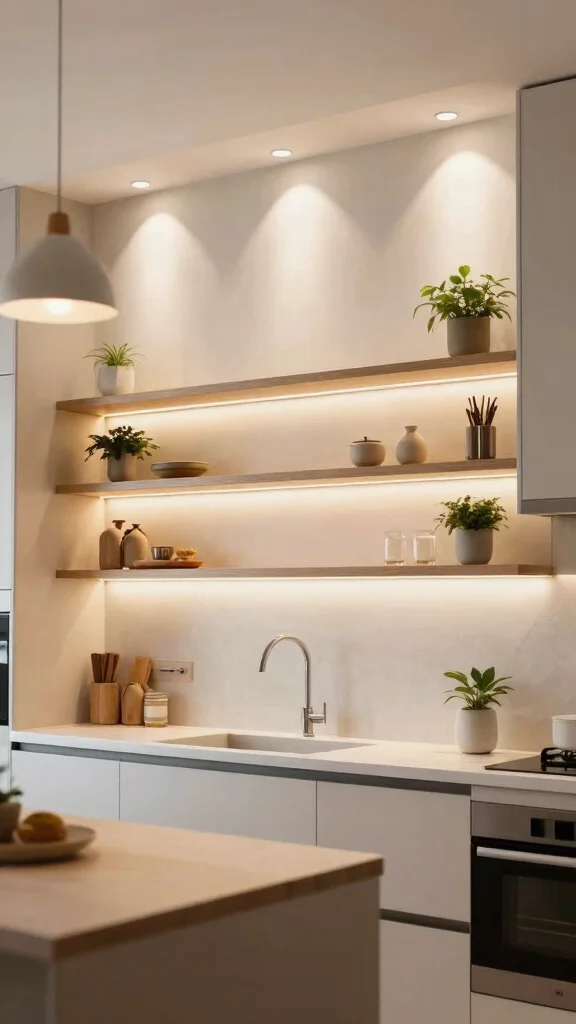
Accent lighting introduces a captivating depth to your kitchen by emphasizing distinctive features such as artwork, cabinetry, or open shelves. Utilizing recessed lights effectively draws attention to these elements without overwhelming the space, allowing for a balanced aesthetic. Strategically placing lights above a stunning backsplash or cherished artwork not only enhances the beauty of these features but also personalizes your kitchen.
To achieve the best results with accent lighting, consider these suggestions:
– Use adjustable recessed lights for easy directional changes.
– Combine with decorative fixtures for a rich, layered effect.
– Limit the number of focal points to maintain a minimalist aesthetic.
With thoughtful accent lighting, your kitchen can transform into a sophisticated space that beautifully reflects your style.
Fun fact: 60% of homeowners notice artwork and cabinetry more when accent lighting is positioned just above them. A smart kitchen lighting recessed layout draws eyes to features without clutter, making a backsplash or art piece feel intentional and bright.
Recommended Products

Warm White and Daylight White : Dimmable Under Cabinet Lights Plug-in LED Strip Lights for kitchen, 6 PCS pre-cut LED lights strip. White cabinet light Suitable for DIY your kitchen, cabinet, closet, counter, shelf, TV back, showcase and anywhere you want

Hand Wave Activation: Say goodbye to fumbling for switches. These under cabinet lights for kitchen features a built-in hand-wave sensor, allowing you to effortlessly turn the lights on and off with a simple wave of your hand. Experience the convenience of intuitive lighting control.

【Hardwired & Enhanced Installation】ALUSSO LIGHTING under cabinet lights feature a discreet hardwired connection for seamless integration, now with an upgraded accessory kit for easier setup. The package includes two cable clips for clean wire management, long and short self-tapping screws to fit cabinets of different thicknesses, and newly added wall anchors for secure installation on marble or hard surfaces. This professional setup eliminates visible cords for a polished, built-in look.
4. Dimensional Lighting with Multiple Levels
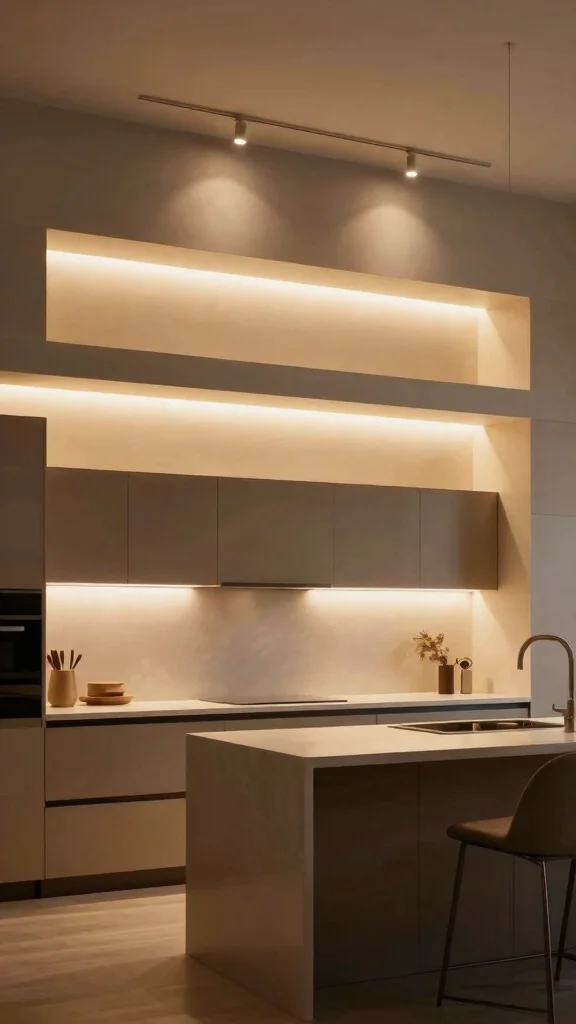
Incorporating various levels of recessed lighting can add intriguing dimension to your kitchen while preserving a clean ceiling appearance. By mixing recessed lights set at different heights or employing multi-directional fixtures, you create a visually engaging ambiance that enhances openness, particularly in open-concept designs. Layering your lighting not only fulfills its practical role but also elevates the kitchen’s overall aesthetic appeal.
To effectively utilize dimensional lighting, keep these best practices in mind:
– Combine recessed lights with decorative options to foster depth.
– Adjust fixture heights to complement the room’s architectural features.
– Install dimmers for customizable mood settings tailored to any occasion.
This approach ensures a modern minimalist style while enhancing the kitchen’s charm.
Recommended Products

💡5 CCT-in-1: Our led can lights have 5 color temperature selectable, 2700K(soft white), 3000K(warm white), 4000K(cool white), 5000K(daylight), 6500K(cool daylight). No need to worry about what color temperature to buy, Our recessed lighting eliminates the hassle of returning or exchange products due to inappropriate color temperature
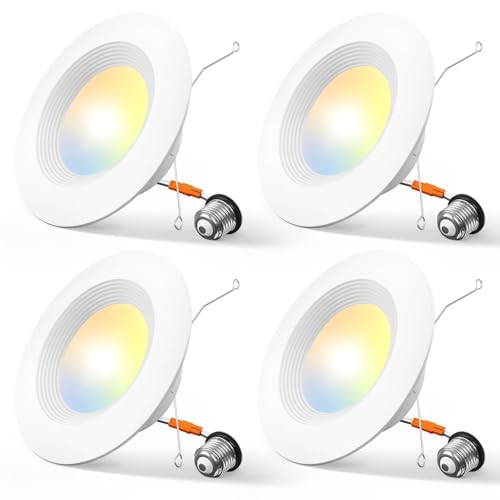
Eye protection: The brightness of the can lights can be smoothly adjusted from 10% to 100%, so you can choose the most comfortable brightness for your eyes. Note: This light is compatible with most dimmers on the market, except for the smart dimmer.

Sunco 12 Pack BR30 LED Bulb Flood Light, E26, 11W=65W, 5000K Daylight
5. Color Temperature for Mood Setting
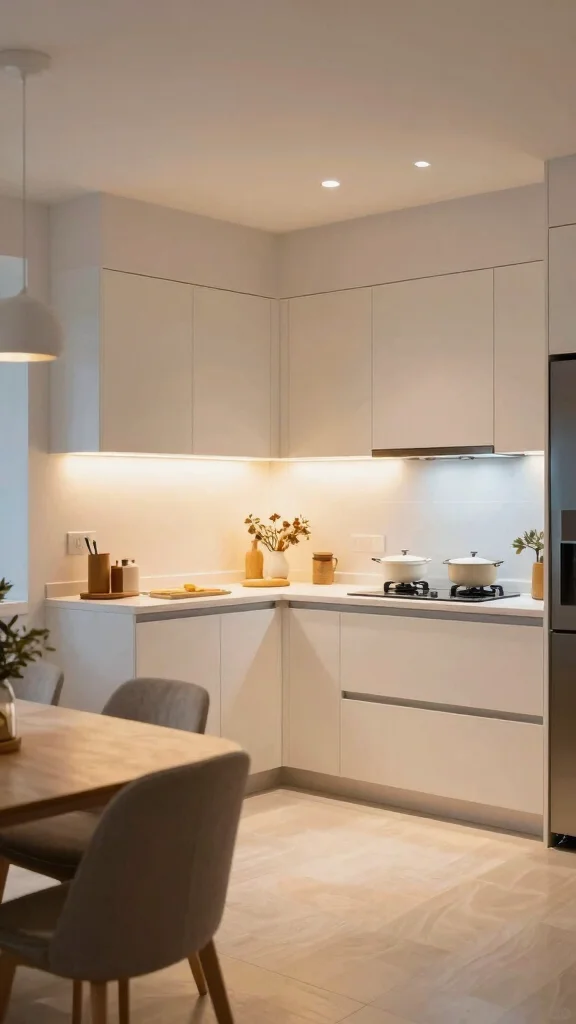
The color temperature of your recessed lighting plays a pivotal role in crafting the mood of your kitchen. Selecting the right temperature can shift the atmosphere from bright and invigorating to warm and cozy. Consider using warm white (around 2700K) for inviting spaces, while cool white (4000K) is ideal for a lively cooking environment. Balancing these temperatures can create distinct zones within your kitchen, such as a cozy nook for morning coffee and a bright area for meal prep.
To help you choose the ideal color temperature, follow these guidelines:
– Test various bulbs to discover the perfect ambiance.
– Use warm tones in dining areas and cooler ones in prep zones.
– Mix temperatures for a dynamic and engaging feel.
The right color temperatures can invigorate your kitchen, enhancing both its functionality and visual appeal.
Recommended Products

Requires one A19 bulb rated up to 60-Watts Max. (not included)

Requires one PAR38 or BR40 bulb rated up to 150-Watts Max. (not included)

5CCT SELECTABLE - Soft White(2700K), Warm White(3000K), Cool White(4000K), Day Light(5000K) and Bright White(6000K), No need to worry about choosing the wrong color temperature, eliminating the hassle of return or exchange due to incorrect selection
6. Smart Lighting Solutions
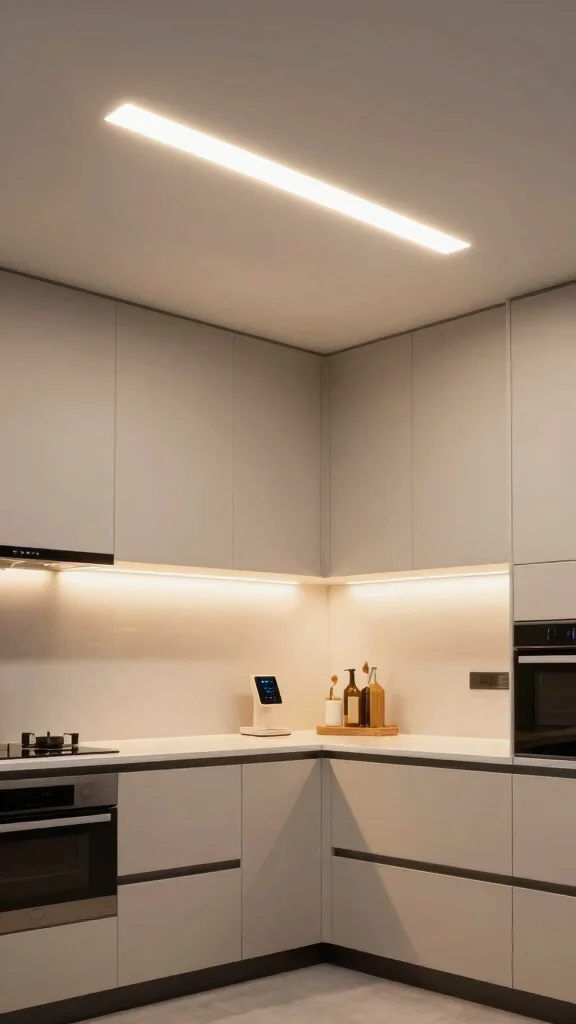
Embrace the convenience of technology with smart lighting solutions that enhance your kitchen’s efficiency and style. Smart recessed lighting allows you to control settings remotely, set schedules, and adjust brightness or color temperature via voice commands or a mobile app. This modern addition not only improves functionality but also aligns perfectly with a contemporary kitchen aesthetic.
To integrate smart lighting seamlessly, consider these advantages:
– Customize your lighting for various occasions with ease.
– Choose energy-efficient options to help lower utility costs.
– Utilize security features that schedule lights when you’re away.
With smart lighting, your kitchen transforms into a more intuitive space that complements your modern lifestyle.
Recommended Products

5-in-1 CCT: Eliminate the Guesswork. Because this recessed ceiling light features a 5-color switch on the J-box, you can physically toggle between 2700K Warm White and 5000K Daylight before installation. This means no more return hassles for buying the wrong color, ensuring the perfect ambiance for any room. Versatility is proven by the built-in dip switch supporting 2700K, 3000K, 3500K, 4000K, and 5000K.

CONTROL A WIDER RANGE OF LIGHTING — Provides smart dimming for ELV undercabinet, toe-kick, track, recessed, and accent lighting; optionally switch to Forward Phase mode to control LED, CFL, and Incandescent lighting
7. Decorative Trims for Style
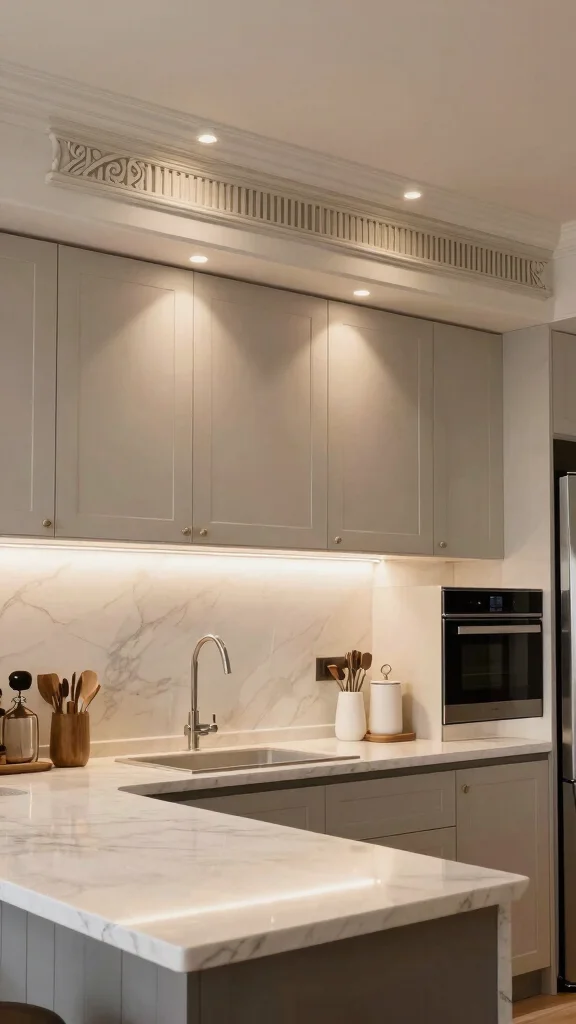
Incorporating decorative trims into your recessed lighting can infuse an unexpected flair into your kitchen design. Selecting trims that align with your kitchen’s decor enhances visual interest and style. Consider finishes like brass or matte black that harmonize with your fixtures or hardware. Designs such as baffle or eyeball-style trims not only add artistic appeal but also help direct light where it’s most needed for optimal functionality.
To select the perfect decorative trims, keep these tips in mind:
– Coordinate with other kitchen elements for a cohesive look.
– Ensure decorative features do not impede light output.
– Choose finishes that are easy to maintain and clean.
Implementing decorative trims offers a stylish touch to your recessed lighting setup, adding character to your kitchen.
Recommended Products

【Smart Voice Control】 ChangM Smart Recessed Lighting 4 inch work with Amazon Alexa. Support one-step connection,Just say "find the device" to the Alexa speaker, and then you turn on the alexa recessed lights. A simple conversation can let you turn on off the lights,set the brightness, CCT and RGB colors by voice control. The operation is simple

Smart Voice Control: Neliwo Smart led can lights that work with Alexa. Once connected tell your device to turn your smart recessed light fixtures on/off, adjust brightness, and change color to your preferenc. A simple voice command lets you instantly tune the lights.(Note: APP control Not include the remote control; Compatible with Alexa only; Not support dimmer; No Work with Google Home, HomeKit, Home pod, Matter, or IFTTT)

CANLESS DESIGN: This slim LED ceiling light installs below the ceiling—no recessed housing or J-Box required—for ultimate convenience and flexibility. Optional mounting frames are available for new construction projects
How To Choose The Right Recessed Kitchen Lighting Layout
Choosing the perfect recessed kitchen lighting layout is essential for creating a welcoming and functional space. A well-planned layout not only enhances your kitchen’s aesthetics but also ensures even lighting coverage. Here are several factors you should consider when selecting your lighting:
1. Size of the Kitchen
Start by measuring your kitchen’s dimensions. A larger kitchen will require more fixtures to maintain even lighting coverage. As a rule of thumb, aim for around 1 to 1.5 watts of lighting per square foot. This will help you determine how many recessed lights you’ll need.
2. Layout and Design
Think about the layout of your kitchen. If you have an island, consider placing fixtures above it to provide focused lighting. For linear kitchens, a grid or staggered arrangement can distribute light evenly. Visualizing your kitchen layout can help you decide where to place your fixtures for maximum impact.
3. Ceiling Height
The height of your ceiling influences how much light you need and how far apart your fixtures should be. For standard 8-foot ceilings, place lights approximately 4 to 6 feet apart. If your ceilings are higher, increase the distance between fixtures to maintain effective lighting without creating dark spots.
4. Light Color and Temperature
Choosing the right color temperature sets the mood in your kitchen. Cooler temperatures (5000K-6500K) are perfect for task lighting, while warmer tones (2700K-3000K) create a cozy atmosphere. Consider combining both types by using dimmers to adjust the ambiance as needed.
5. Purpose of the Lighting
Think about how you use your kitchen. Do you cook often, or is it more of a gathering space? Task lighting is crucial for cooking areas, while ambient lighting can make the space inviting. Layering lights—using both recessed fixtures and additional lighting like pendant lights—can add depth and functionality to your design.
6. Energy Efficiency
Consider energy-efficient options like LED lights. They last longer and consume less energy compared to traditional bulbs. This not only saves you money but also reduces your environmental impact. When choosing fixtures, check for ENERGY STAR ratings to ensure you’re making a sustainable choice.
Pro Tip: Create a mockup of your kitchen layout using tape on your floor to visualize where your lights should go. This can help you see the actual coverage and make adjustments before installation.
By paying attention to these criteria, you’ll be well on your way to designing a recessed kitchen lighting layout that complements your modern minimalist decor while providing even, effective illumination.
Recommended Products

Under Cabinet Lighting : Under Cabinet Lights Plug-in LED Strip Lights for kitchen, 6 PCS pre-cut LED lights strip. white cabinet light Suitable for DIY your kitchen, cabinet, closet, counter, shelf, desk, TV back, showcase, anywhere you want

【Super Bright】With 81 high brightness LEDs, 1200 lumens(3 Pcs), 6000K daylight white, super bright, perfect to light your kitchen cabinets, garage, shelf area, closets, desk, workbench, stairs etc.

[𝐌𝐮𝐜𝐡 𝐁𝐫𝐢𝐠𝐡𝐭𝐞𝐫]: VOVAMO UNO-LK Under cabinet lights which come with 2 pieces and 800 lumens in total, cold white 6000k, can illuminate a wide range, bright enough to light up dark area. Perfect light for kitchen, sink, cupboard, closet, bookshelf, workbench, and so on.
8. Function-Driven Placement
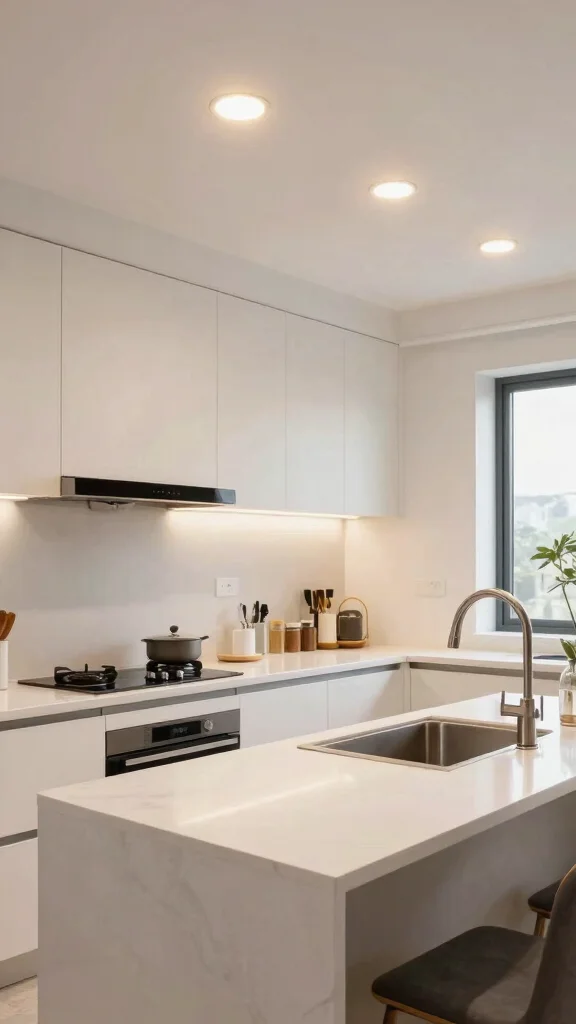
The placement of your recessed lighting should cater to the functional needs of your kitchen. Strategically positioning lights above essential work areas, like prep zones and seating spaces, ensures safety and efficiency. For instance, placing lights directly over the island boosts visibility for meal prep and dining, while lights above the stove or sink enhance safety.
As you plan your layout, consider the workflow of your kitchen and how additional light can improve visibility. Focus on these placement considerations:
– Avoid placing lights where they might cast shadows.
– Use multiple fixtures for even illumination in larger areas.
– Ensure adequate lighting for appliances and high-traffic zones.
This functional approach to lighting not only enhances your kitchen’s usability but also creates a more enjoyable space to spend time in.
Recommended Products
Sunco 12 Pack BR30 LED Bulb Flood Light, E26, 11W=65W, 5000K Daylight

💡【Technical Features】LED flood light bulb BR30 shape, E26 mediumbase, 650 lumens, dimmable, damp rated, AC-120V, 110 degree
Sunco 12 Pack BR30 LED Bulb Flood Light, E26, 11W=65W, 5000K Daylight
9. Eco-Friendly Lighting Solutions
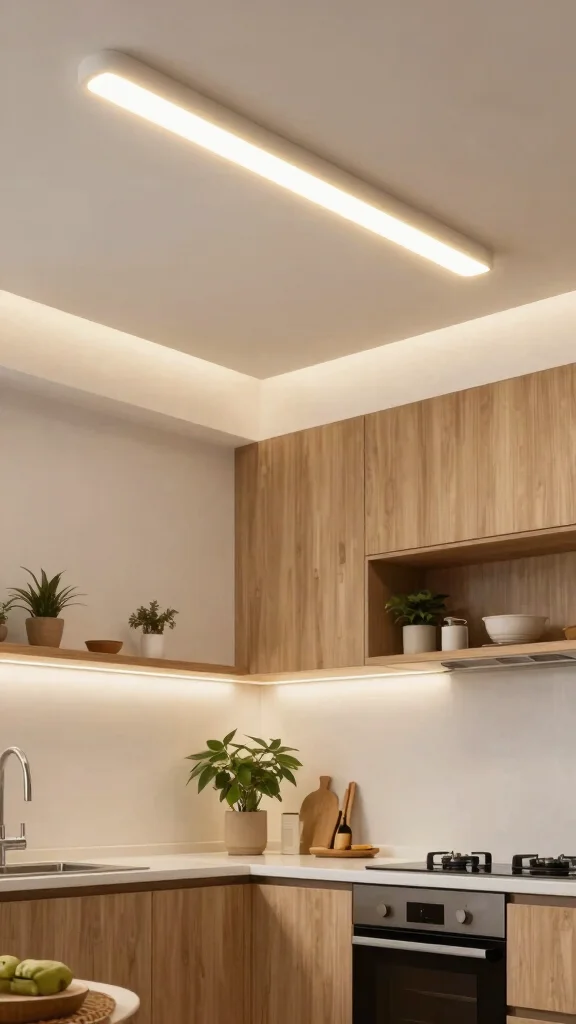
Opting for eco-friendly recessed lighting options benefits both the environment and your kitchen’s aesthetic. LED recessed lights are a fantastic choice, delivering energy savings while providing sufficient brightness. Many LED options come in various color temperatures and brightness levels, making them suitable for any kitchen style.
Incorporating energy-efficient lighting contributes to a sustainable kitchen environment and can lead to lower utility costs over time.
Here are some eco-friendly lighting benefits to consider:
– Longer lifespan reduces waste compared to traditional bulbs.
– Lower heat emission keeps your kitchen cooler during cooking.
– Dimmable options allow for additional energy savings.
By choosing eco-friendly lighting solutions, you can maintain a modern look while being mindful of your environmental impact.
Fun fact: In a kitchen lighting recessed layout, LED recessed lights use up to 75% less energy than incandescent fixtures, delivering bright, even coverage. That efficiency lowers utility costs and supports a sustainable, modern kitchen aesthetic. Choose color temperatures and brightness that fit your style.
10. Integrated Smart Home Features
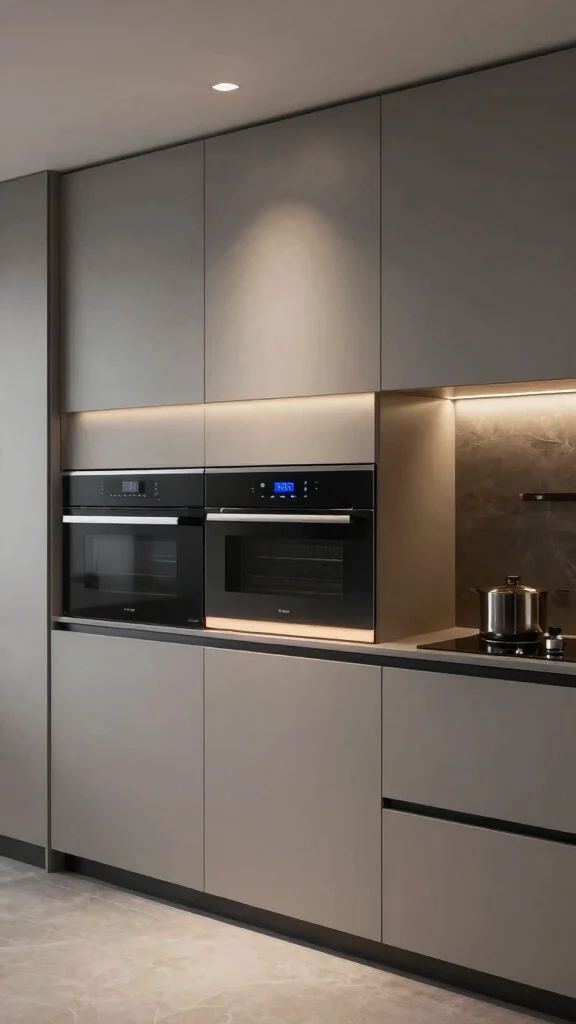
Integrating your recessed kitchen lighting with smart home features enhances both convenience and energy management. Imagine controlling your kitchen lights from your smartphone or through voice-activated devices, streamlining your daily routines while optimizing energy use.
With smart lighting, you can set schedules, adjust settings based on activities, and monitor usage for a more efficient kitchen environment.
Here are some benefits of integrating smart features:
– Manage light settings easily for a more functional kitchen.
– Enhance security by scheduling lights to deter intruders.
– Customize colors or brightness to reflect your mood.
The integration of smart home features into your recessed lighting helps create a modern, efficient kitchen tailored to your lifestyle.
11. Minimalist Fixtures for a Clean Look
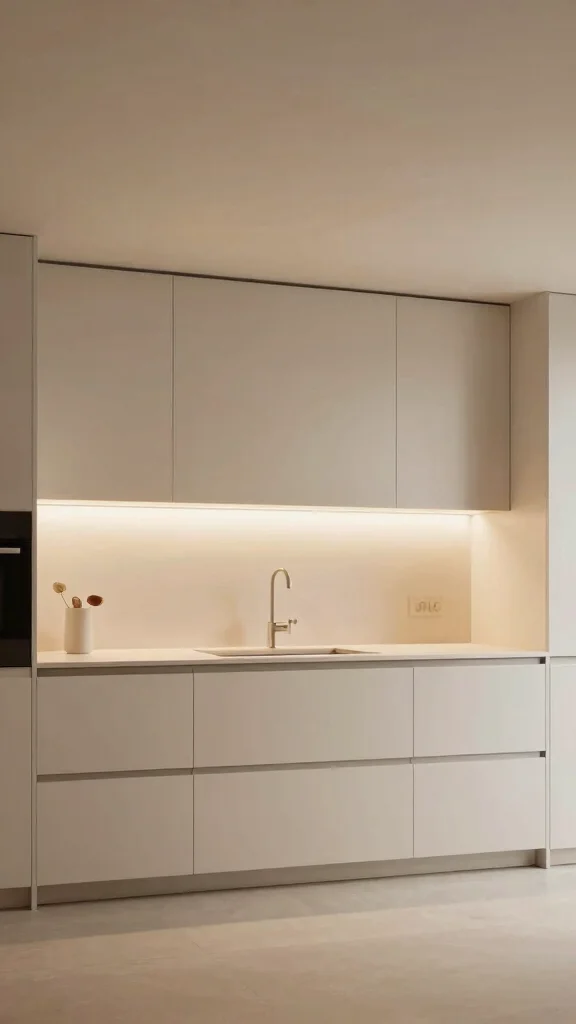
Choosing minimalist fixtures for your recessed lighting can enhance the clean lines and openness of your kitchen. Simple designs keep the focus on the overall aesthetic rather than the lighting itself, creating a harmonious look. Opt for fixtures that blend seamlessly into the ceiling or have sleek finishes that complement your kitchen decor.
This approach not only strengthens the modern minimalist style but also fosters an uncluttered, spacious atmosphere.
Here are suggestions for minimalist fixtures:
– Look for low-profile designs that integrate seamlessly into your ceiling.
– Choose finishes that match or enhance your kitchen hardware.
– Avoid overly decorative elements to maintain a clean appearance.
Using minimalist fixtures creates a modern kitchen that feels open and inviting, reflecting a contemporary lifestyle.
12. Seasonal Mood Enhancements
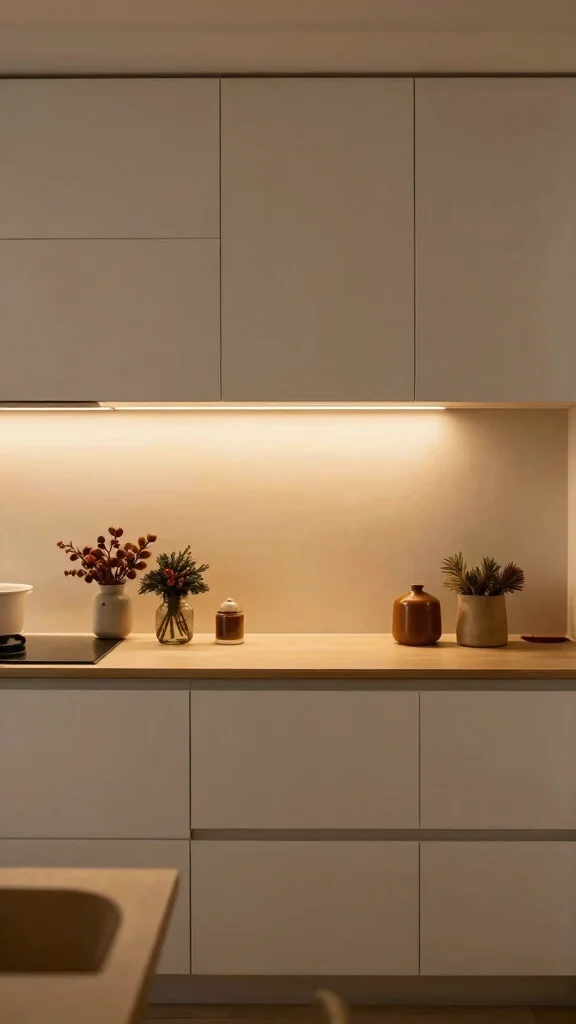
Adjusting your recessed lighting for seasonal changes creates a welcoming ambiance that complements your kitchen decor all year round. Switching up color temperatures or brightness can evoke warmth in winter or a fresh, bright feel in summer. Consider integrating dimmers or smart systems for effortless adjustments.
You may also want to introduce seasonal decor that harmonizes with your lighting changes, enhancing your kitchen’s overall aesthetics.
Here are ideas for seasonal mood enhancements:
– Use warm lighting in winter for coziness; cooler tones in summer for brightness.
– Change decorative accents with the seasons to keep a fresh look.
– Set up lighting schedules for seasonal events or holidays.
Embracing seasonal lighting adjustments keeps your kitchen dynamic while adding a personal touch to your home.
Conclusion
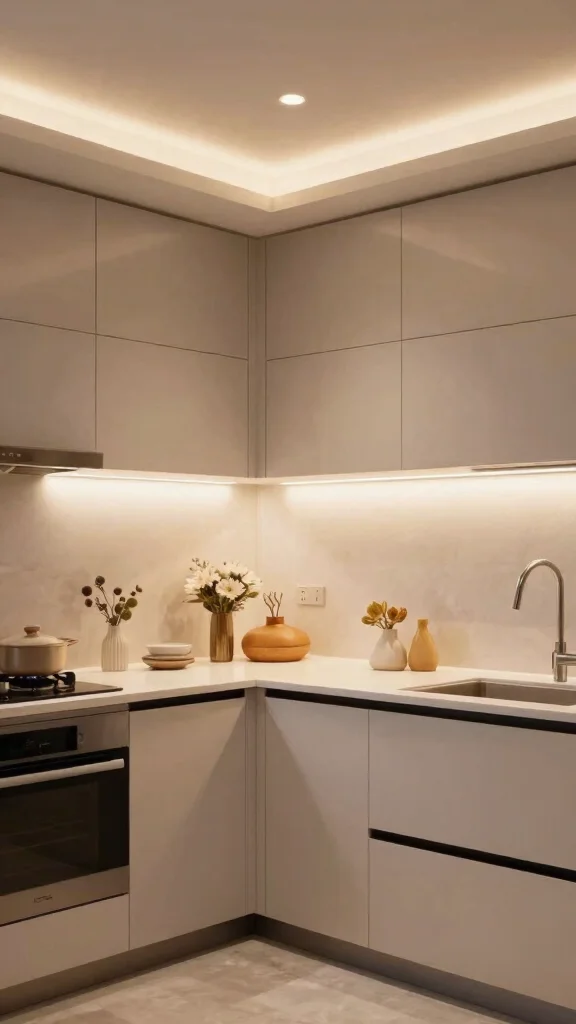
Transforming your kitchen with recessed lighting can significantly enhance both its functionality and style.
With these twelve ideas, you can create a layout that not only provides even coverage but also reflects your personal taste and modern minimalist ethos.
Whether you’re layering lights for versatility or embracing eco-friendly options, the right recessed lighting can make your kitchen a truly inviting space. Don’t hesitate to experiment with these designs to find what resonates with you.
Note: We aim to provide accurate product links, but some may occasionally expire or become unavailable. If this happens, please search directly on Amazon for the product or a suitable alternative.
This post contains Amazon affiliate links, meaning we may earn a small commission if you purchase through our links, at no extra cost to you.
Frequently Asked Questions
What is the best approach to plan a kitchen lighting recessed layout for even lighting coverage across all work zones?
Start with a simple ceiling map and list all work zones: prep counters, stove, sink, and island.
In a typical 9-10 ft ceiling, place recessed lights about 4-6 feet apart to minimize shadows and ensure even lighting coverage.
For island task lighting, add two or more fixtures directly over the island, spaced to avoid glare.
Choose dimmable LED cans with high CRI (90+) and a color temperature around 2700-3000K for a warm, modern kitchen decor.
Place lights in a kitchen lighting recessed layout that keeps the ceiling clean, and consider baffles or trims to reduce glare.
What spacing and number of recessed lights do I need for a modern minimalist kitchen ceiling ideas while keeping it clean and uncluttered?
For a modern minimalist look, keep the layout simple: a regular grid or a few strategically placed fixtures near work zones.
A common rule is 4-6 feet between cans, adjusting for ceiling height and light output.
For a 10-12 ft ceiling, you typically need about 6-8 lights, plus 2-3 over the island.
Use slim, square or round trims and avoid decorative fixtures that break the ceiling line.
This approach aligns with kitchen ceiling ideas that favor uniform ambient lighting solutions and a modern kitchen decor vibe.
How can I layer ambient lighting and task lighting in a recessed lighting design to maintain a clean ceiling and improve functionality?
Layering starts with general ambient lighting from recessed cans, then adding task lighting under cabinets for prep spaces, and a few accent lights for depth.
In a kitchen lighting recessed layout, make sure the ambient layer is dimmable to set moods.
Use higher-lumen, softer white (2700-3000K) for tasks, and consider separate switches or zoning.
Keep the ceiling uncluttered by using integrated lighting and under-cabinet strips; this aligns with modern kitchen decor and creates even lighting coverage.
What should I look for in recessed lighting design to avoid glare and ensure good color rendering in a modern kitchen decor?
Choose recessed housings with good glare control (baffles or trims) and aim for CRI 90+ to keep food colors accurate.
Avoid placing downlights directly over the main prep zones’ line of sight; instead, stagger or offset patterns.
Use color temperature around 2700-3000K or 3500K depending on mood; 3500K is good for a clean modern look.
Ensure uniform spacing and align with ceiling lines to keep the ceiling looking clean. This is central to good recessed lighting design and ambient lighting solutions.
Should I install recessed lighting myself or hire a professional for a kitchen lighting recessed layout, and what are typical costs and safety considerations?
DIY can save money, but a kitchen lighting recessed layout involves electrical work, ceiling cuts, and local codes.
If you’re comfortable with wiring and permits, you can proceed; otherwise hire a licensed electrician for safety and code compliance.
A pro can ensure even coverage across the kitchen ceiling ideas using a well-planned grid that respects kitchen lighting recessed layout and ambient lighting solutions.
Expect costs to cover fixtures, wiring, dimmers, trims, and possible permit fees.
The result is a compliant installation with reliable lighting and a clean ceiling.
Related Topics
home decor
recessed lighting
modern kitchen
minimalist design
kitchen ceiling
ambient lighting
even coverage
lighting layout
easy installation
decor trends
lighting solutions
beginner friendly
