What Is a Stair Riser?

what is a stair riser

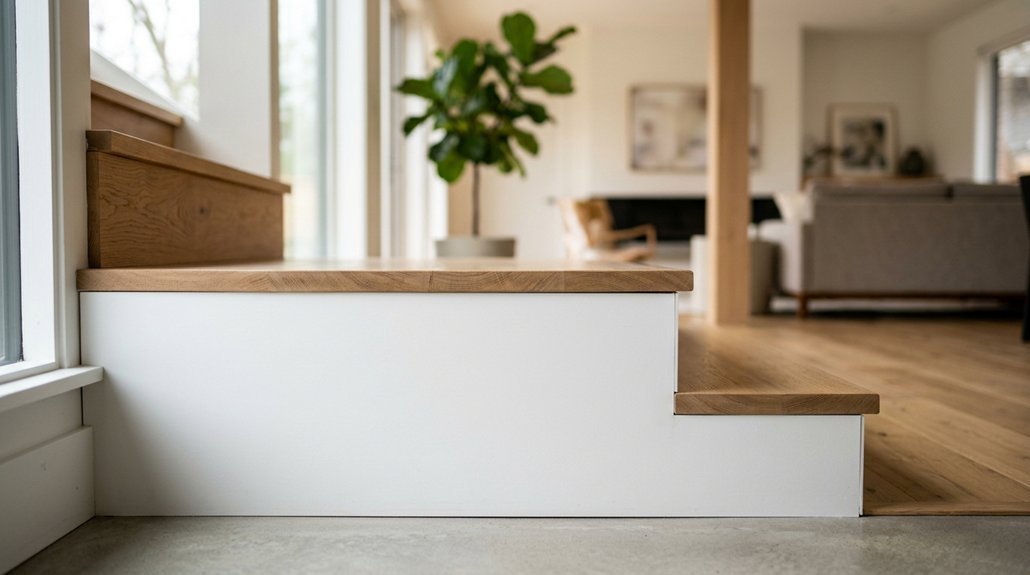
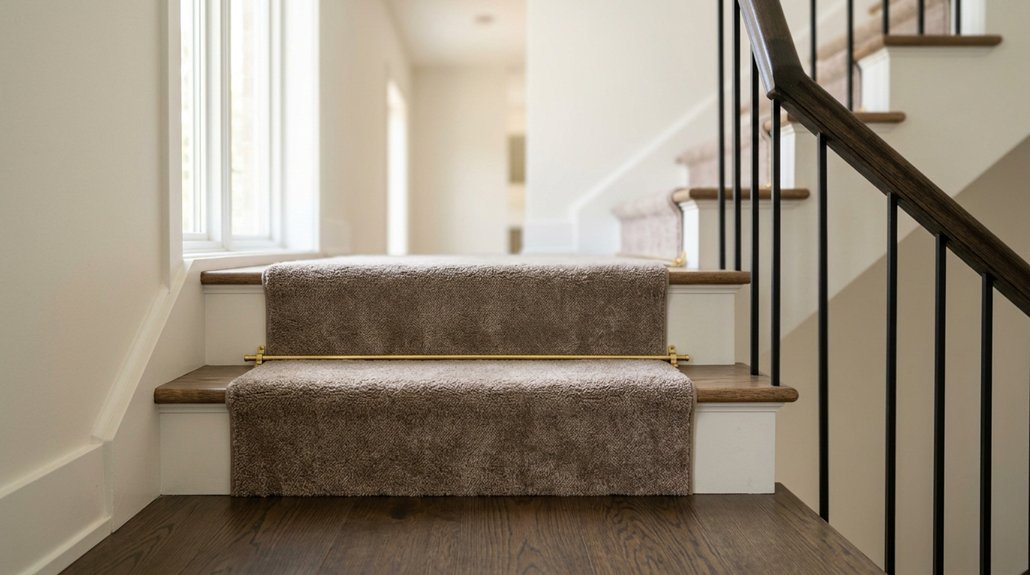
You stand at the bottom of a staircase, your eyes tracing the vertical face of each step, that solid panel rising from tread to tread, and you are looking at a stair riser, the structural element that defines your climb, supports your weight, and keeps your foot from slipping through.

Yet you might not know that this single component, typically measuring 7 inches in height with a maximum 3/8-inch variation permitted by most building codes, can be made from solid oak, engineered MDF, poured concrete, or extruded aluminum. Each material offers distinct lifespans, maintenance demands, and price points that will shape your decision before you ever set foot on the first step.

What Is a Rug Pad and Why Do You Need One?

rug pad importance and purpose

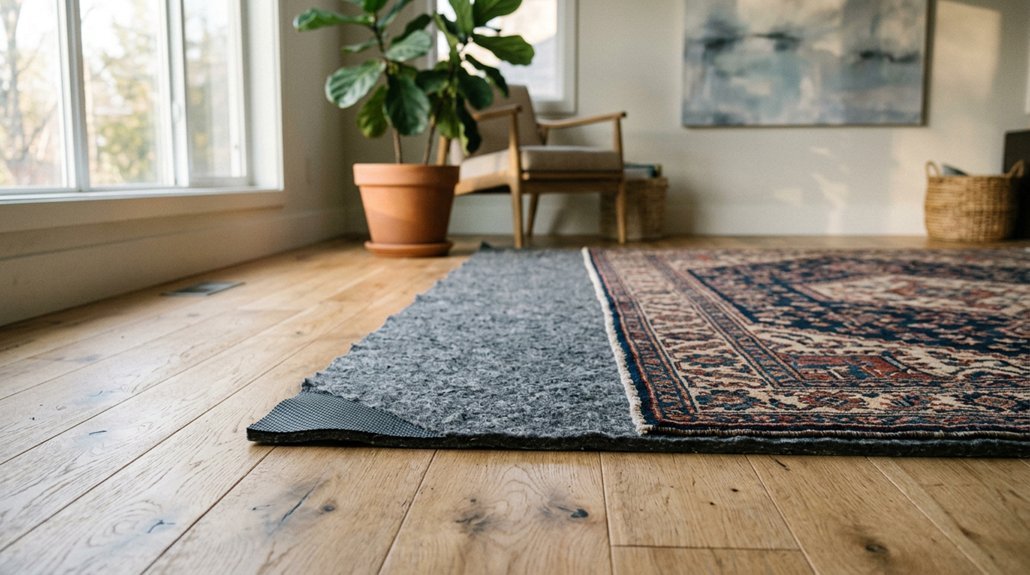
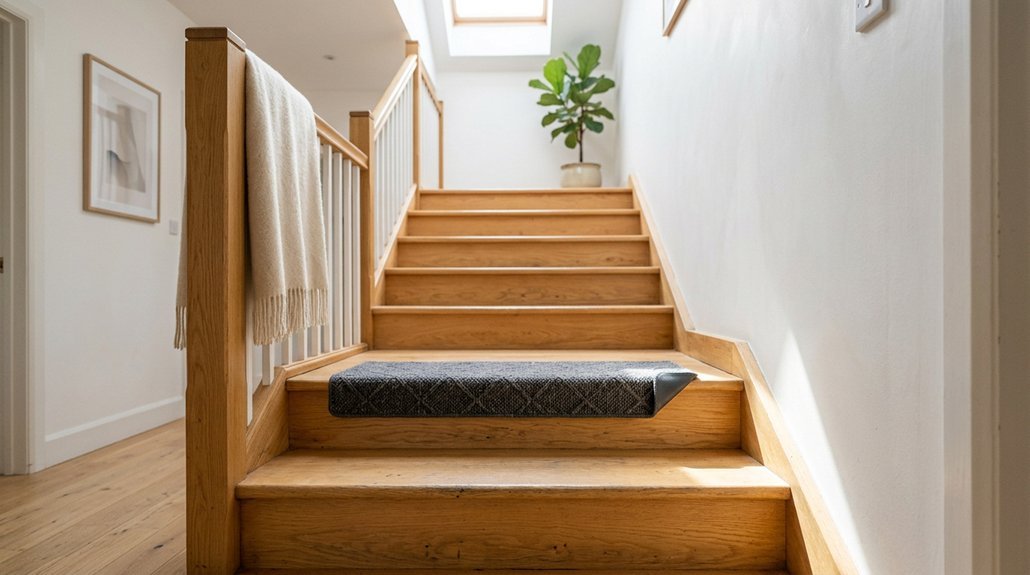
You might think a rug pad is an unnecessary extra purchase, but skipping one exposes your floors to scratches, your household to slips, and your rug to premature wear that shortens its lifespan by up to 40%. A rug pad is a dense underlayment, typically constructed from 100% felt, natural rubber, or a dual-layer composite containing 30% to 50% rubber content with felt backing, that anchors your rug while absorbing the impact of daily foot traffic across dimensions ranging from 2×3 feet for entryways to 9×12 feet or larger for living areas.

The right pad delivers measurable benefits: felt options, usually 1/4-inch to 1/2-inch thick, provide plush cushioning and sound dampening; rubber varieties, often 1/8-inch thick with textured waffle or grid patterns, supply superior grip coefficients on hard surfaces; and hybrid felt-rubber pads combine both properties for high-traffic zones. Your floor type dictates material selection, since natural rubber can discolor certain hardwood finishes while PVC or synthetic latex alternatives work better on vinyl or tile.

The payoff extends beyond immediate comfort, because a quality pad, which typically costs 10% to 20% of your rug’s price, preserves your flooring’s factory finish and prevents the abrasive friction that frays rug fibers from the bottom upward. Here’s what most buyers miss.

10 Steps to Install Carpet on Stairs

steps to install carpet on stairs

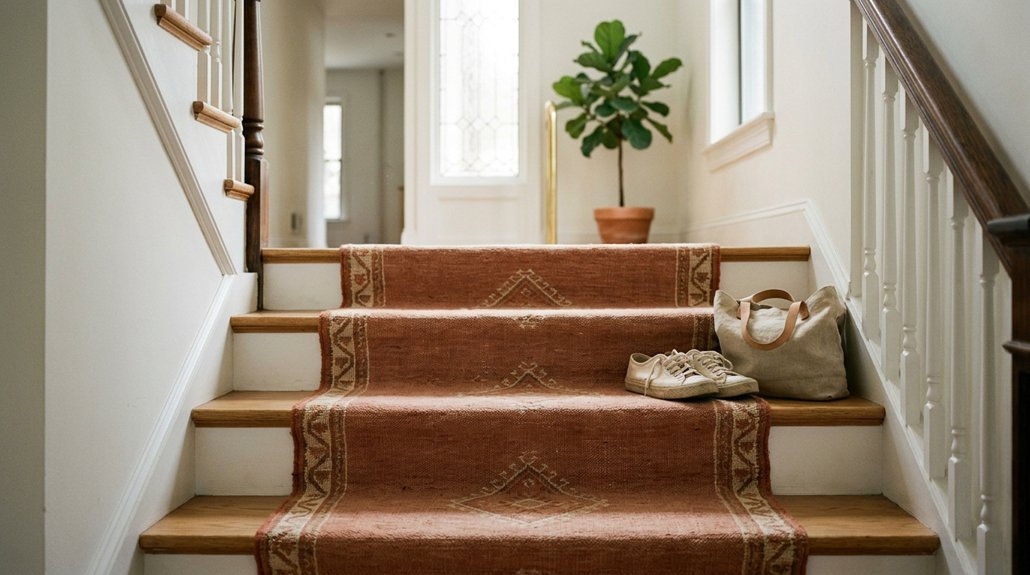
You can reduce stair-related falls by up to 90% with properly installed carpet, yet most homeowners hesitate to tackle this project themselves. You’re about to discover that installing stair carpet requires only basic tools, a single weekend, and roughly $200 to $600 depending on whether you select a 100% nylon runner, a 50/50 wool-synthetic blend with 32 ounce face weight, or a full-coverage broadloom in 12-foot widths.

The process demands patience, knee protection, and a rental power stretcher, but you’ll save approximately $1,500 in professional labor costs while achieving custom results. What separates a trip hazard from a durable, code-compliant installation comes down to ten specific steps that balance material science, precise measurements, and tension mechanics.

hometrendstudio.com
Privacy Overview

This website uses cookies so that we can provide you with the best user experience possible. Cookie information is stored in your browser and performs functions such as recognising you when you return to our website and helping our team to understand which sections of the website you find most interesting and useful.