
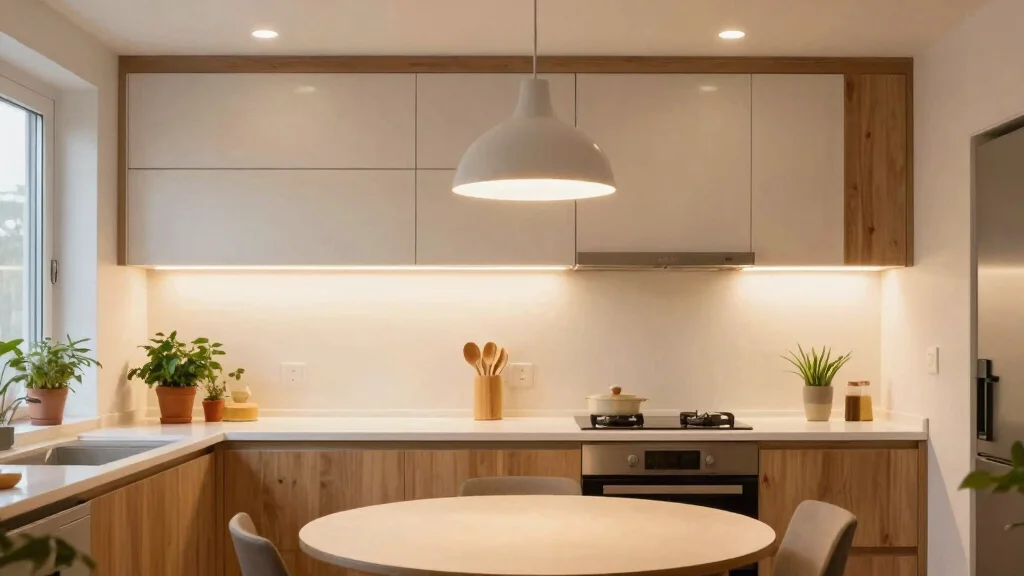


When it comes to updating your kitchen, the right lighting can completely transform the space. I’ve been thinking about how much a well-lit kitchen enhances not only the look but also the functionality of this heart of the home. If you’re someone who loves cooking, entertaining, or even just grabbing a midnight snack, knowing where to place your lights is essential. That’s why I created this guide to help you figure out the best kitchen lighting placement ideas that truly make sense.
If you’re living in a small space, you might feel overwhelmed by the options available for kitchen lighting design. Don’t worry; this post is for you! I know you care about making your kitchen both stylish and practical without breaking the bank. Inside, you’ll find 11 creative ideas that focus on optimal light placement, ensuring your kitchen is bright and welcoming. Whether you prefer ambient kitchen lighting or trendy fixtures arrangement, there’s something here for everyone.
Get ready to explore ways to brighten up your counter space, add cozy vibes, and even create stylish focal points. With the right kitchen lighting placement ideas, you can make your cooking area not only functional but also a great place to gather with family and friends.
Key Takeaways
– Under-Cabinet Lighting: Brightens countertops and eliminates shadows, making meal prep easier.
– Pendant Lights Above an Island: Combines style and function, creating a focal point while providing necessary light.
– Recessed Lighting: Offers a sleek look that saves space and distributes light evenly throughout the kitchen.
– Wall Sconces: Adds charm and warmth, perfect for creating a cozy atmosphere in small areas.
– Natural Light: Incorporating windows or skylights enhances your kitchen’s brightness and connects the space to the outdoors.
Recommended Products

Warm White and Daylight White : Dimmable Under Cabinet Lights Plug-in LED Strip Lights for kitchen, 6 PCS pre-cut LED lights strip. White cabinet light Suitable for DIY your kitchen, cabinet, closet, counter, shelf, TV back, showcase and anywhere you want

Manual Control Design – No Motion Sensor: This RGB under cabinet light is designed for remote and button control only. It does not include a motion sensing feature. Simply turn it on/off and adjust colors and brightness using the remote or manual switch for precise lighting control without unexpected activation

【Super Bright】With 81 high brightness LEDs, 1200 lumens(3 Pcs), 6000K daylight white, super bright, perfect to light your kitchen cabinets, garage, shelf area, closets, desk, workbench, stairs etc.
1. Under-Cabinet Lighting: Brighten Up Your Counter Space
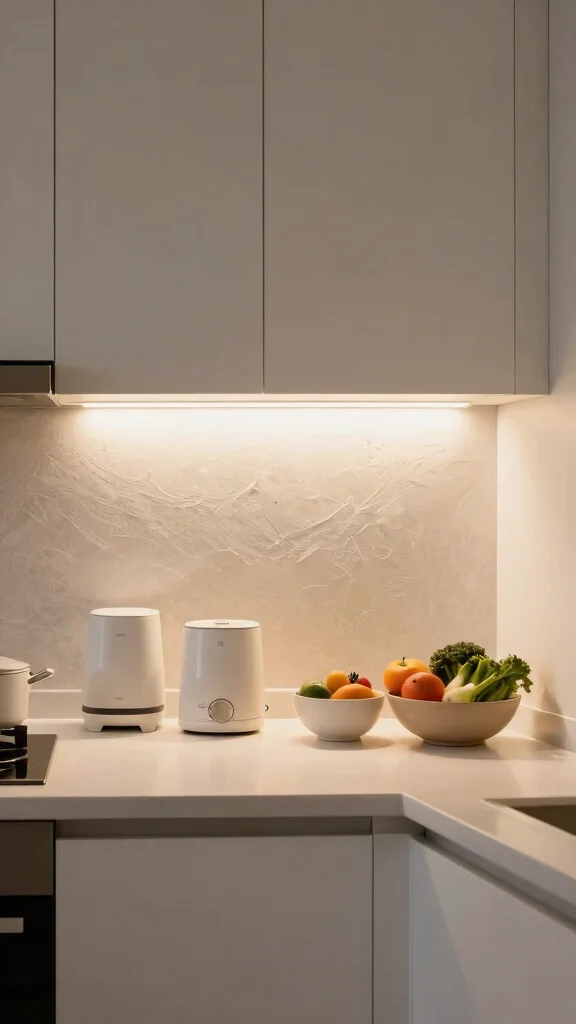
Under-cabinet lighting is essential for any kitchen, especially smaller ones. This lighting solution brightens your countertops, making food prep easier while keeping your space cozy and functional. Think about using LED strip lights or puck lights that can be conveniently installed. You can opt for warm white for a snug ambiance or cool white for a sleek, modern vibe.
To make the most of this feature, ensure the lights are positioned directly above work areas to avoid shadows. Dimmable options can enhance the atmosphere, allowing you to set the mood as needed. Not only does this lighting improve functionality, but it also highlights beautiful backsplash tiles or your favorite kitchenware.
Consider these tips to maximize under-cabinet lighting:
– Position lights directly above your main work surfaces.
– Use dimmable LED strips for adjustable brightness.
– Install lights at the front edge of cabinets for even distribution.
This thoughtful lighting choice not only boosts practicality but also adds a touch of elegance, enriching the overall aesthetic of your kitchen.
Recommended Products

5 CCT-in-1: 5 color temperature(2700K, 3000K, 3500K, 4000K, 5000K) is selectable to you, which successfully eliminates the hassle of returning or exchange products due to inappropriate color temperature. Just slide the switch on the side of the J-box and you will get the most-desired color that best fit in your room type.
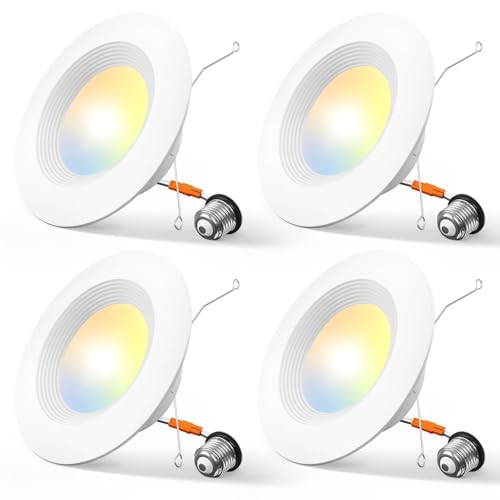
Eye protection: The brightness of the can lights can be smoothly adjusted from 10% to 100%, so you can choose the most comfortable brightness for your eyes. Note: This light is compatible with most dimmers on the market, except for the smart dimmer.

Night light Feature: 6 inch led recessed light in night light mode emits 2000K amber for very soft illumination and added ambiance. It also can provide no-glare lighting when you wake up at night which is very convenient.
Key Trade-offs & Our Top Pick
1. Under-Cabinet Lighting
– Pros:
✔ Increases visibility on countertops.
✔ Sleek design doesn’t take up space.
✔ Energy-efficient LED options available.
– Cons:
❌ Limited to areas below cabinets.
❌ Installation may require wiring skills.
❌ Can be challenging to clean if mounted close to cooking areas.
– Best for: Small kitchens needing extra light without taking up space.
2. Pendant Lights Above an Island
– Pros:
✔ Adds a stylish focal point to your kitchen.
✔ Provides targeted light for food prep.
✔ Variety of designs to fit any kitchen aesthetic.
– Cons:
❌ Requires higher ceilings for optimal installation.
❌ Can be expensive, depending on the design.
❌ May cast shadows if not positioned correctly.
– Best for: Open-concept kitchens that center around an island.
3. Recessed Lighting
– Pros:
✔ Creates a clean look with no visible fixtures.
✔ Adjustable angles for better light distribution.
✔ Good for layering and providing ambient light.
– Cons:
❌ Can be costly to install, especially in existing homes.
❌ Requires sufficient ceiling height for optimal effect.
❌ Limited control over light direction without adjustable fixtures.
– Best for: Modern kitchen designs seeking a minimalist approach.
4. Wall Sconces
– Pros:
✔ Adds charm and character to kitchen walls.
✔ Can serve as accent pieces.
✔ Provides soft ambient light.
– Cons:
❌ May not provide enough light for work surfaces.
❌ Installation can be tricky, especially if wiring is needed.
❌ Less versatile in terms of positioning.
– Best for: Small kitchen spaces looking to enhance mood and aesthetics.
5. Natural Light
– Pros:
✔ Free and healthy light source.
✔ Reduces energy costs during the day.
✔ Creates a warm and welcoming atmosphere.
– Cons:
❌ Limited to daytime usage.
❌ Dependent on window sizes and placements.
❌ Can cause glare or fading of materials over time.
– Best for: Kitchens with good window exposure that want to maximize daylight.
Expert Recommendation:
Best Overall: Under-Cabinet Lighting
Under-cabinet lighting stands out as the best choice for most kitchens. It offers excellent value for money while being easy to install. You get clean, focused light where you need it most, making food prep safer and more enjoyable. Plus, its sleek design blends seamlessly into any kitchen layout, enhancing both functionality and style.
Why We Picked This:
While under-cabinet lighting is versatile and functional, those with larger spaces might prefer pendant lights for their style. Recessed lighting is ideal for modern designs, but it could be overkill for smaller kitchens. Wall sconces are perfect for those wanting to add warmth but may lack the brightness needed for practical tasks. Each option has unique benefits, so choose what fits best with your kitchen’s layout and your personal style.
Recommended Products

【Perfect Decoration】: The combination of mason jars and green plants will make you feel happy and passionate. Light up your room with this LED fairy light for a warm and romantic atmosphere.

Two Installation Options: No need for hard wiring, saving the expensive cost of hiring an electrician. 1. No-Drill Hook Installation – Ideal for renters or anyone who wants to avoid wall damage. 2. Drill Installation – For a more permanent setup, ensuring a secure mount.
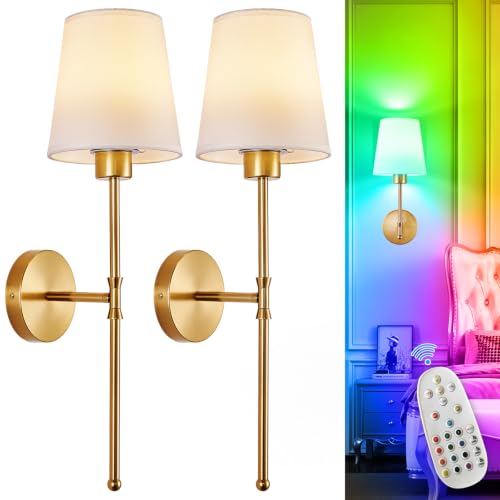
Wireless & Easy to Install: Depuley wall sconces set of two battery operated with two E26 USB charging led bulb, say goodbye to outlet and wired limitations, only takes 20 min to install. Our sconces wall decor set of 2 will elevate your room with a sleek and modern design. Great for halloween decoration.
2. Pendant Lights Above an Island: Style Meets Function
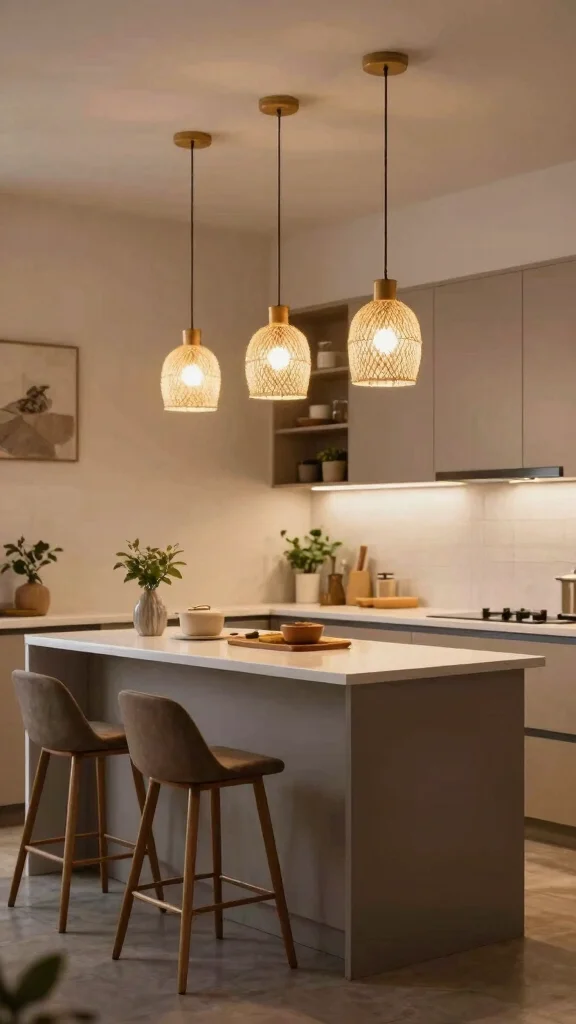
Placing pendant lights above a small kitchen island can transform the space, blending style and practicality. These fixtures serve as eye-catching focal points while providing essential light for cooking and dining. Choose pendants that reflect your kitchen’s style, whether vintage, industrial, or contemporary.
It’s important to ensure proper spacing and height when installing these lights. Aim for even distribution across the island and hang them low enough to allow for unobstructed sightlines, creating an open feel.
Here are some ideas for pendant lights:
– Cluster several smaller pendants for a trendy look.
– Consider adjustable cables for customizable heights.
These stunning light fixtures not only offer necessary task lighting but also enhance your kitchen’s character, making it feel more inviting and lively.
Fun fact: In kitchen lighting placement ideas, hanging two to four pendants above a small island can transform the space and boost task lighting. Pro tip: space them evenly and hang 28–34 inches above the countertop to keep sightlines clear and style consistent.
Recommended Products

16 RGB Colors & 3 Color Temperatures: Choose from 16 RGB colors for decorative accent lighting, 3 white color temperatures (3000K, 4500K, 6500K) for everyday use, and 2 dynamic modes (Flash & Fade) for added ambiance. Great for under cabinets, closets, shelves, and display areas.

High Quality & Lastest Style: EverBrite under cabinet puck lights is a high-quality product with a diameter of 3.3 inches. From material to design, wireless puck lights with remotes embody a high level of craftsmanship. When you hold it in your hand, you will find that you get more than just one Lamp but a high-quality lifestyle. Do you have trouble finding things on your shelves/cabinets without a light source

Under Cabinet Puck Lights for Multiple Small Spaces: Unlike long bar lights, these under cabinet lights let you add light exactly where needed. Choose 3 white color temperatures (3000K, 4200K, 6500K) for cabinets, closets, counters, and shelves, or switch to 12 RGB colors and 2 dynamic modes (Flash & Fade) for a softer accent look.
3. Recessed Lighting: A Sleek Solution
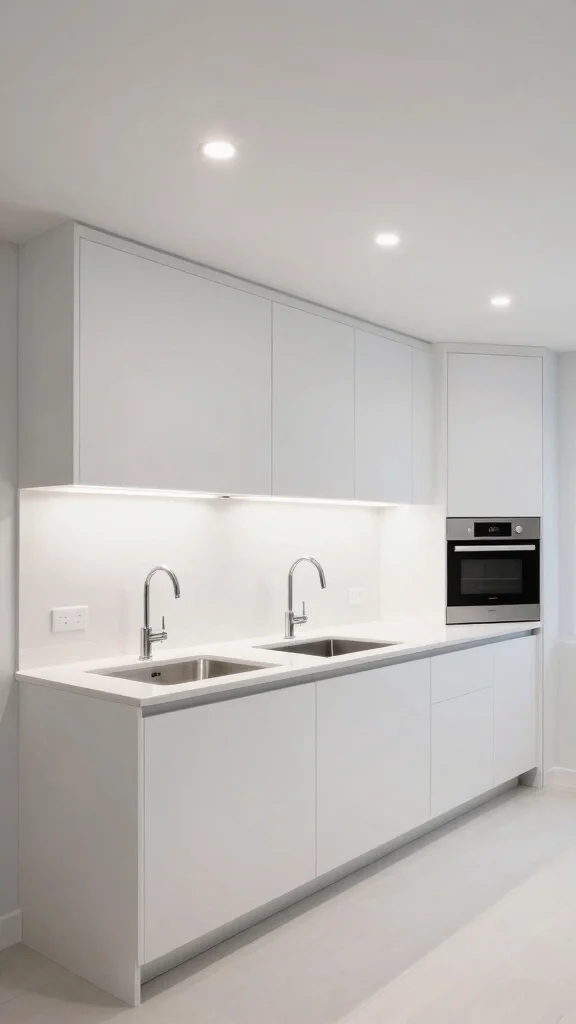
Recessed lighting delivers a sleek and unobtrusive look, perfect for compact kitchens. Installed directly into the ceiling, these fixtures provide ample illumination without occupying physical space. This lighting style is especially beneficial for low ceilings, creating an illusion of height while keeping the kitchen bright and welcoming.
The key is proper positioning; place fixtures strategically to illuminate critical areas like the stovetop, sink, and prep zones.
Consider these suggestions for effective recessed lighting:
– Use dimmers for versatile lighting options.
– Opt for adjustable trims to direct light where it’s needed.
With thoughtful placement, recessed lighting can create a sophisticated ambiance, ensuring every corner of your kitchen shines beautifully.
Recommended Products

Smart RGBIC Effects: RGBIC LED Strip lights for bedroom display multiple colors on one line at a time compared with traditional RGB lights. A colorful combination of LED strip lighting for bedroom brings a strong visual impact. (Not Support Alexa)

【SUPER BRIGHT】: 1050 lumen super bright strip lights, can easily illuminate the dark areas under the cabinet. 16.4ft tape light with 300 PCS SMD 2835 warm white LEDs, as auxiliary lighting or decorative lighting, is a perfect choice.

DIY cabinet strip lights:Great way to upgrade your Cabinets,Closet,Desk,Desk-hutch,Bookshelf,Wardrobe,Bedroom,Workbench,kitchen island etc
4. Wall Sconces: Adding Charm and Warmth
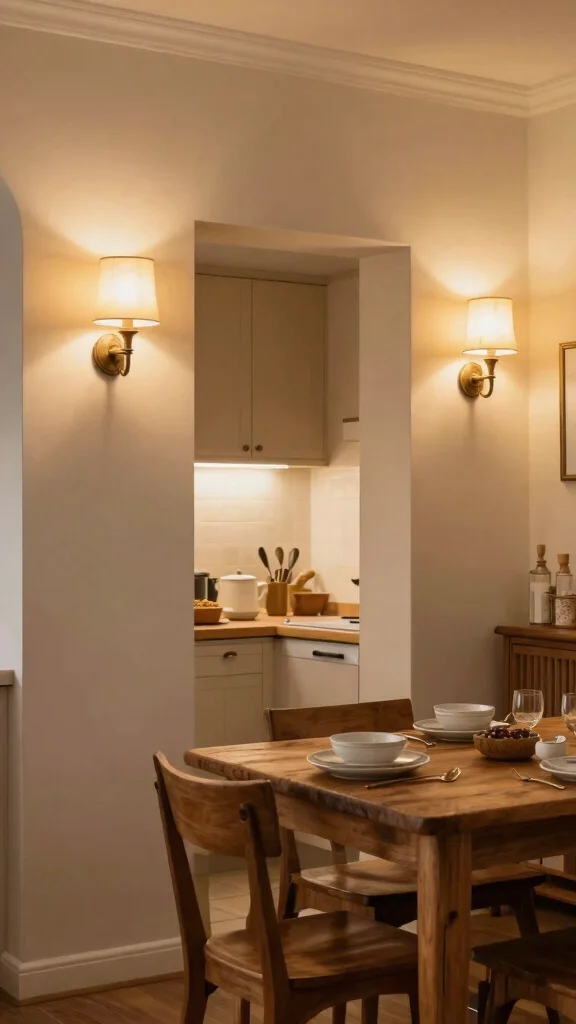
Wall sconces add a delightful touch to your kitchen decor while providing additional ambient lighting. These fixtures can be placed near dining areas or kitchen entrances, welcoming guests and illuminating pathways. Select sconces that match your kitchen’s overall aesthetic, whether vintage-inspired or sleekly modern.
For optimal effect, install sconces at eye level and consider adjustable designs for directing light.
Here are some placement tips:
– Position them at eye level for maximum impact.
– Use adjustable sconces for versatile lighting direction.
Not only do wall sconces brighten your space, but they also showcase your personal style, adding an artistic flair to your kitchen.
Did you know that placing wall sconces at eye level—roughly 60–66 inches from the floor—creates a warm, even glow in small kitchens? This simple adjustment makes kitchen lighting placement ideas feel intentional, guiding guests along pathways without harsh ceiling light glare.
Recommended Products

💡【5 CCT-in-1】5 color temperature options (2700K/3000K/3500K/4000K/5000K) for different application scenarios, eliminates the hassle of returning or exchange products due to inappropriate color temperature. Just slide the switch on the side of junction box for your desired color temperature.

Selectable Colors:Our LED can lights have 5 color temperature selectable, 2700K, 3000K, 4000K, 5000K, 6000K. Don't worry about what color temperature to buy, eliminates the hassle of returning or exchanging these due to inappropriate color temperature.

5. Lighting Inside Cabinets: Show Off Your Style
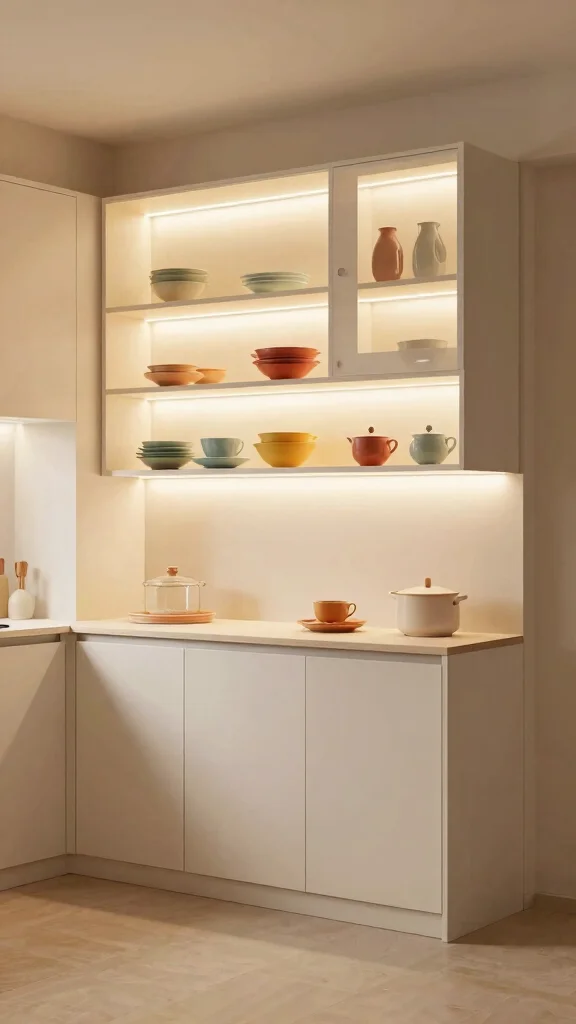
Adding lighting inside your cabinets can beautifully showcase your dishware or cookbooks while enhancing the kitchen’s overall illumination. Hidden lighting creates a stunning display that adds a touch of elegance.
Consider LED strip lights for this purpose, as they are easy to install and can fit neatly along shelves.
Enhance the effect with these tips:
– Use warm white lights to create a cozy atmosphere.
– Incorporate motion sensors that activate lights when the cabinet doors are opened.
This lighting placement not only highlights your favorite items but also improves visibility inside cabinets, adding a stylish element to your kitchen.
Fun fact: LED strip lighting in cabinets uses up to 80% less energy and lasts about 25,000 hours. For kitchen lighting placement ideas, this approach keeps shelves bright with motion sensors, so you see dinnerware clearly without wasting light.
Recommended Products

Wireless wall sconces set of two: Prioritize screw mount! If using adhesive, stick ONLY to smooth, clean surfaces like tile or glass; NEVER apply to uneven, peeling walls or wallpaper. The battery wall sconces require no wiring or outlets, making them perfect for old houses, rentals, and power outages.

Modern Design:The design of the black wall sconce matches with all kinds of scenes, which not only illuminates your room, but also brings a more elegant life.
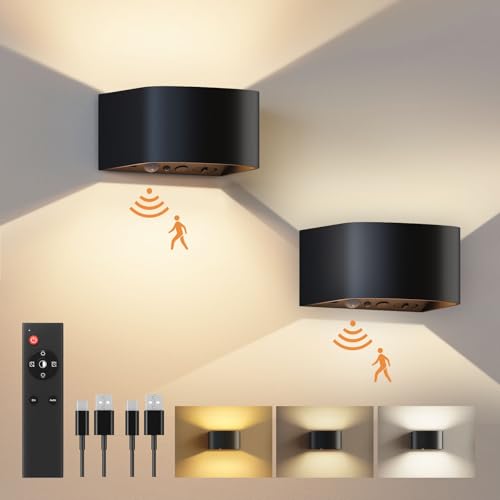
✅ Smart Motion Sensor Wall Light: The wall lights indoor with sensitive motion sensor function. After the wall sconce is set to Auto Mode, it will remain in automatic sensing mode when the environment is dark - when someone approaches, the wall sconces will automatically light up; after 30 seconds of no human activity, the lamp will automatically turn off. This feature ensures the safety of you and your family during the night.
6. Table Lamps for Cozy Vibes
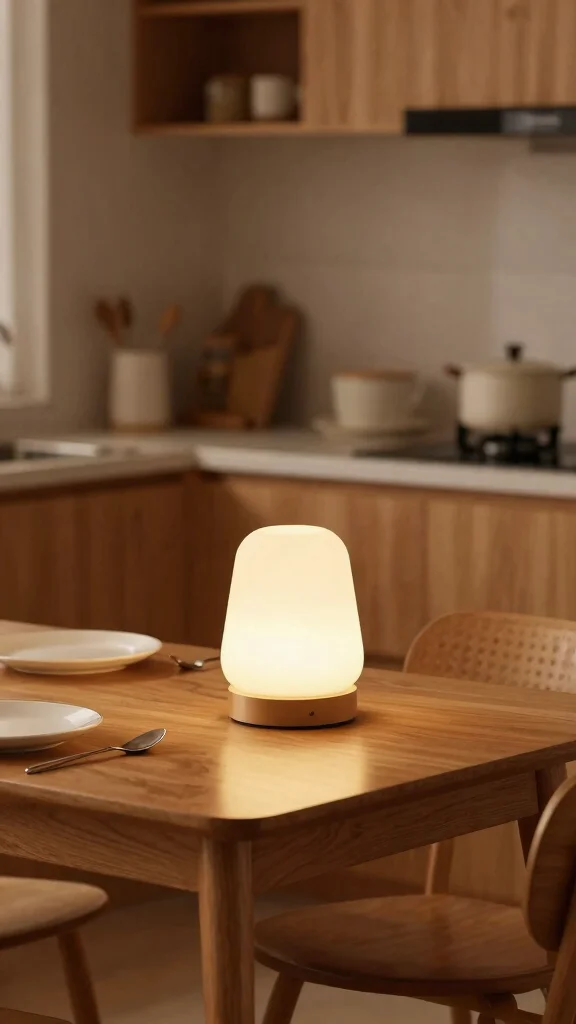
Incorporating table lamps into your kitchen can add warmth and a personal touch, particularly on small dining tables or islands. Choose lamps that complement your kitchen’s decor, whether rustic, industrial, or modern. The soft glow of table lamps creates an inviting atmosphere for intimate meals.
Position the lamp thoughtfully, either on a corner of the kitchen island or atop a small side table for best effect.
To enhance the mood:
– Use lower wattage bulbs to maintain a relaxed ambiance.
Table lamps provide both decorative elements and improved lighting, enriching the overall scheme of your kitchen.
Recommended Products

▶Widely Used: Cadrim under cabinet lamps greatly help under cabinets in dimly lit kitchens. These battery operated lights with remote are easy to install and add a nice updated feel to your kitchen.

Convenient Installation and Long-Lasting Battery Life: Requires no tools—just peel and stick with strong 3M adhesive for a quick, hassle-free setup. These battery puck lights are powered by 12 included reliable, eco-friendly AA batteries, delivering 1.8x longer life than standard lights while saving energy and reducing hassle. Battery-powered and wire-free, keeping kitchens, bookshelves, and pantries clutter-free.
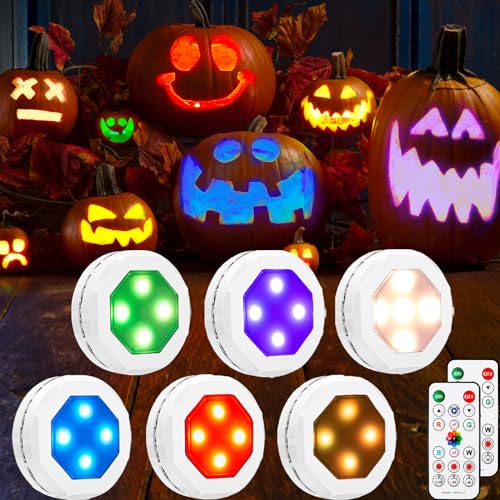
【3 Level Brightness & Timing Function】You can use remote to choose 3 Level Brightness(30%/ 70%/ 100%) and 3 timing function( 30min/60min/180min)
7. Track Lighting: Versatile and Adjustable
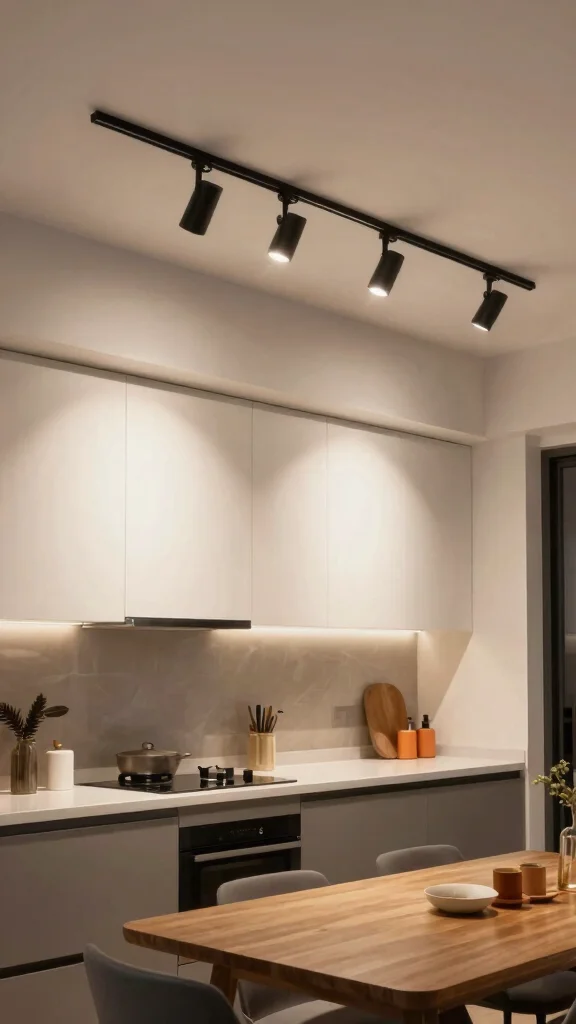
Track lighting offers flexibility for small kitchens, allowing you to direct light exactly where it’s needed most. This lighting style enhances functionality while making a bold design statement. Track lights come in a variety of styles, suitable for any kitchen theme, from sleek modern to vintage-inspired.
Make the most of track lighting by using adjustable fixtures to illuminate specific work areas.
Here are some effective tips:
– Use dimmers to create various moods during meals.
– Ensure the fixtures are above key areas like countertops and sinks for optimal light.
Properly placed track lighting not only enhances usability but also adds a stylish touch to your kitchen.
Recommended Products

Hands-Free Voice Control: The Smart RGB LED Light Strip work with both Alexa & Google Assistant. Free up your hands and power your lights on and off, change colors, or adjust brightness with simple voice commands.
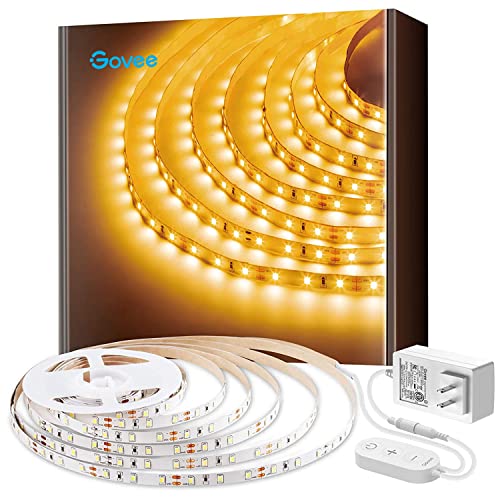
Warm White LED: With 300 LEDs and a 3000K color temperature, you'll enjoy an incredibly warm and bright illumination with improved color quality. Light up those dark rooms, cabinets and any corners with ease.

Ultra Thin: 300 SMD 3528 LEDs (2x16.4ft), 1.4in spacing, bright 4000K natural, neutral white glow. Rated 50,000hr LED lifespan.
8. Overhead Fixtures: Statement Pieces
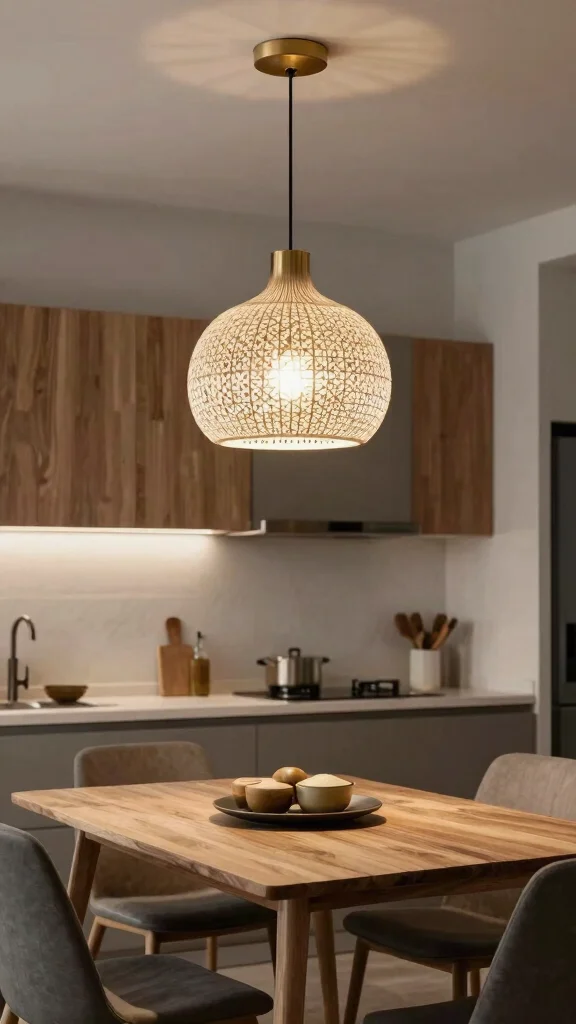
Overhead fixtures can serve as stunning focal points in your kitchen. A bold chandelier or a unique light fixture can draw the eye and become an immediate conversation starter. Choose designs that resonate with your kitchen’s style, whether industrial or traditional.
For effective placement, hang overhead lights in the center of the kitchen to ensure balanced illumination.
Consider these placement tips:
– Ensure the fixture is at a height that doesn’t obstruct sight lines.
These statement pieces provide essential light while adding personality to your kitchen, creating a warm and inviting atmosphere.
Recommended Products

E26 Socket Compatibility: Compatible with E26/E27 socket ONLY, confirm you have a medium-based E26/E27 bulb inside your recessed can housing before ordering

● EASY INSTALLATION: Low profile and sleek LED ceiling disk/disc light upgrades the existing recessed lights to energy efficient LED with ease and flushes mount onto junction box for new construction site to avoid using recessed can; It provides surface mount light for 4'' junction boxes & fire rated boxes.

IC Rated: Amico's canless LED recessed light is IC rated, which is permitted to be in contact with insulations in ceilings, meaning the junction box is thermally protected. It only requires as small as 2 inches ceiling spaces, fits various ceilings, and joists. It won't cause a fire in the roof or overhead joist space.
9. Dimmers: Control Your Kitchen Mood
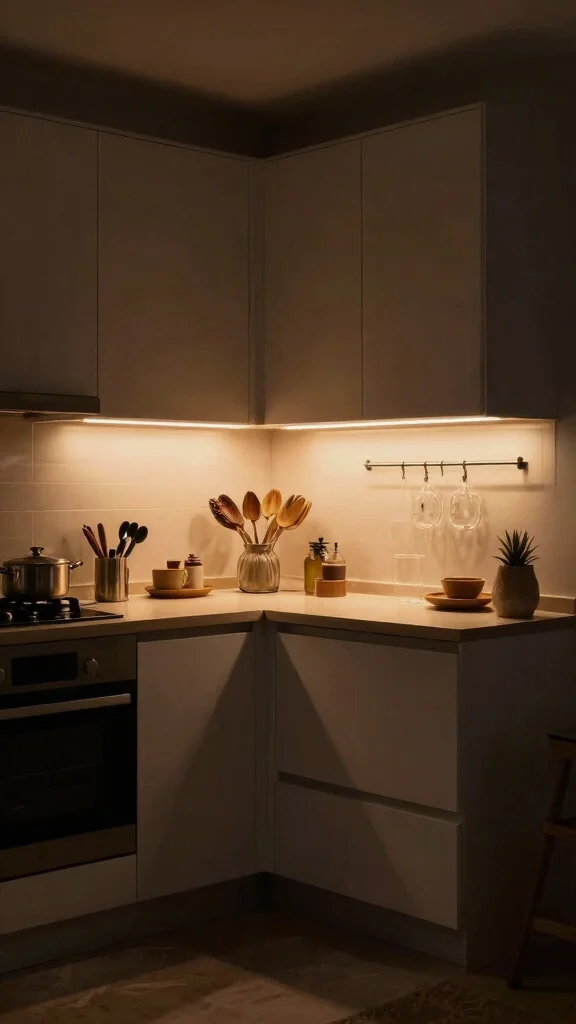
Installing dimmer switches can significantly enhance your kitchen’s lighting experience. This feature lets you adjust light intensity based on the time of day or desired mood. Dimmers can be paired with various fixtures, from recessed lights to pendant lamps, fostering a cozy ambiance.
To make the most of dimmers:
– Use them for task lighting to soften the glow during evening meals.
– Install in entryways to create a welcoming atmosphere as you enter.
The versatility of dimmer switches increases your kitchen’s functionality, ensuring it remains inviting and effective at all times.
10. Natural Light: Let the Sun Shine In
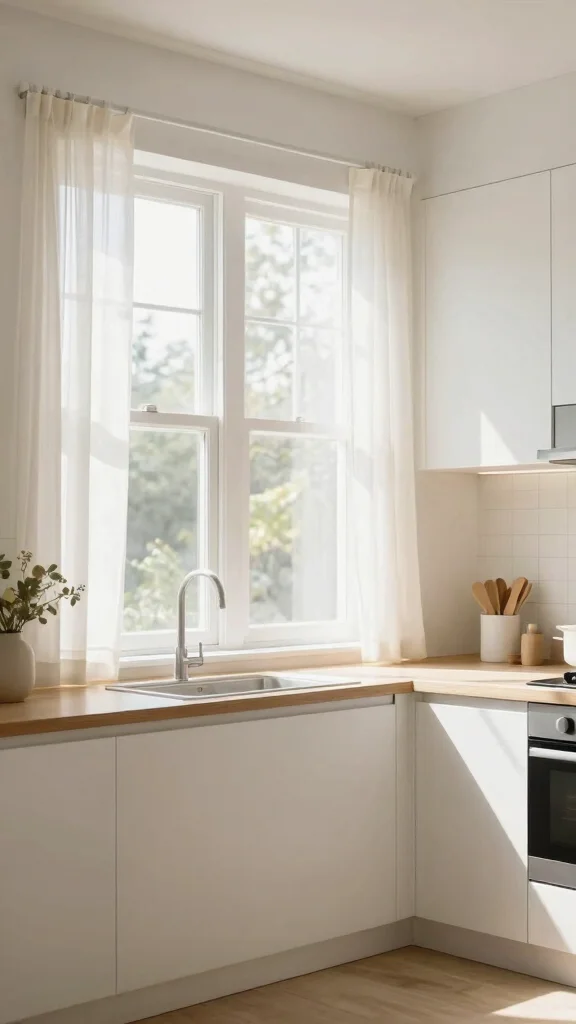
Maximizing natural light in your kitchen can make a world of difference. Large windows or glass doors can fill your space with sunlight, creating an airy and inviting environment. In smaller kitchens, choose window treatments that allow light while providing privacy, such as sheer curtains or blinds.
To enhance natural light, keep window sills clean and free of clutter.
Here are some tips:
– Use mirrors across from windows to reflect and amplify light.
Bringing in natural light not only elevates your kitchen’s aesthetic but also promotes a healthier living environment, enhancing your overall well-being.
11. Multi-Purpose Lighting: Combining Functions
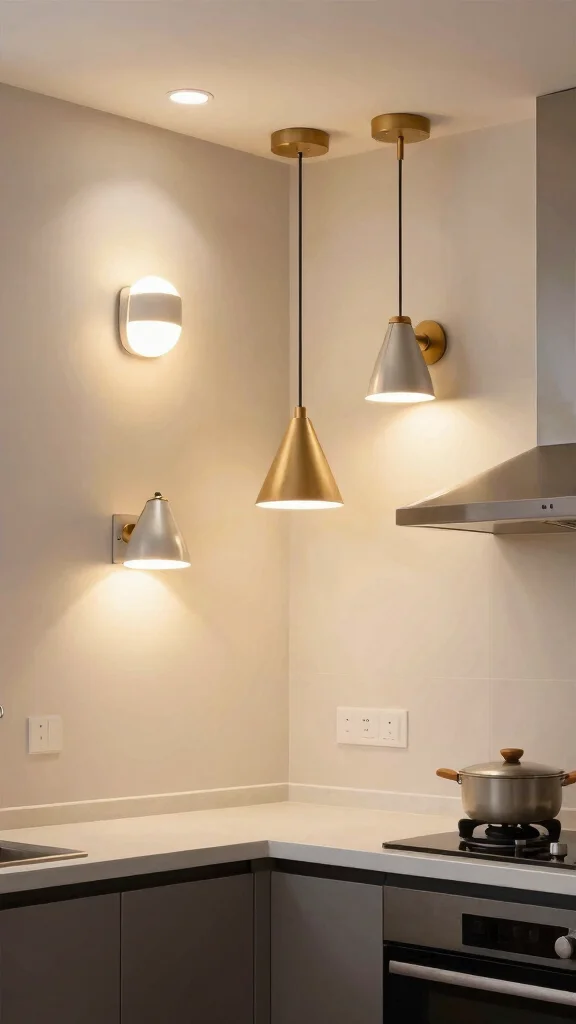
Consider incorporating multi-purpose lighting that combines ambient, task, and accent options all in one. Selecting fixtures that provide various lighting settings can maximize functionality in a compact kitchen. Look for lights that allow for adjustable brightness or color temperatures, making it easy to transition from meal prep to entertaining.
Here are some effective combinations:
– Mix recessed lights with pendant fixtures for an effective blend.
– Use adjustable sconces for flexible mood lighting.
This layered approach not only enhances usability but also adds depth to your kitchen’s design, creating a warm and inviting atmosphere for all occasions.
Conclusion
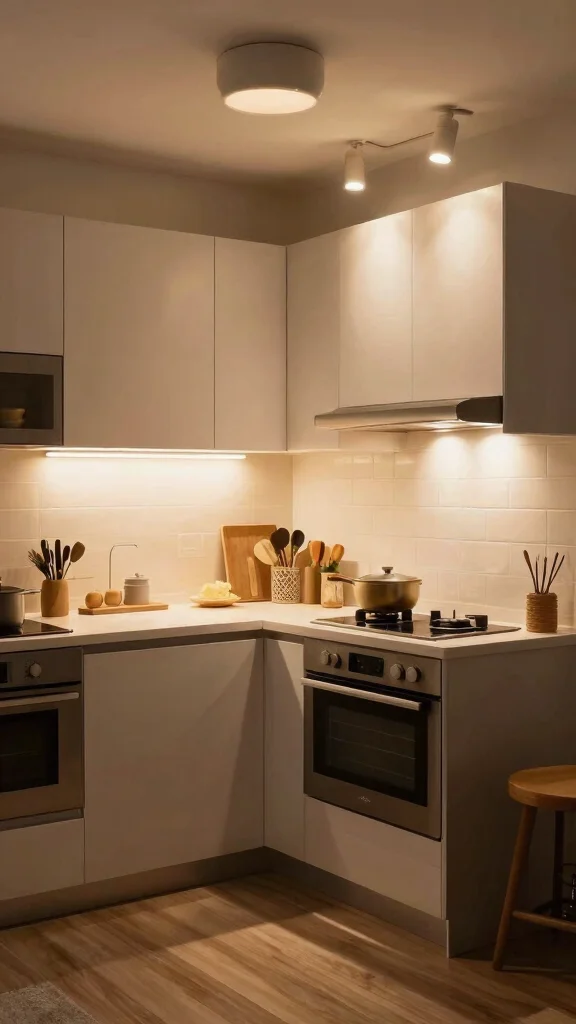
Selecting the right kitchen lighting placement is essential for transforming small spaces into functional yet stylish areas. From under-cabinet lights to natural illumination, each idea can drastically improve the overall feel of your kitchen.
Consider your personal style and functionality needs when choosing fixtures and placements. With these 11 kitchen lighting placement ideas, you can create a warm, inviting atmosphere that makes cooking and entertaining a joy.
Note: We aim to provide accurate product links, but some may occasionally expire or become unavailable. If this happens, please search directly on Amazon for the product or a suitable alternative.
This post contains Amazon affiliate links, meaning we may earn a small commission if you purchase through our links, at no extra cost to you.
Frequently Asked Questions
Question: Where Should You Install Kitchen Lighting in a Small Space for Maximum Impact?
For a small kitchen, these are kitchen lighting placement ideas that actually work: install bright, recessed ceiling lights to keep the space feeling open; add under-cabinet task lighting to illuminate countertops; hang slim pendant lights above a compact island or dining nook if there’s space; and use a light wall wash or sconces to provide ambient kitchen lighting without clutter. Also consider kitchen fixtures arrangement that keeps cords and fixtures tidy to maximize vertical space and keep work zones visible.
Practical tip: map your work zones first, then place task lighting directly over prep and cooking areas for optimal light placement. Keep the color temperature around neutral white to achieve a clean, modern kitchen illumination vibe.
Question: How Can I Balance Task Lighting and Ambient Lighting in a Compact Kitchen?
In a small space, layered lighting is key. Start with ambient ceiling light, add under-cabinet lighting for kitchen lighting design clarity, and use slim pendant or track lighting for occasional ambiance. This ambient kitchen lighting approach helps you control glare while staying practical. Use dimmers to adjust brightness and energy use. Keep optimal light placement by aligning fixtures with work zones and avoid over-illumination that makes the space feel crowded.
Tip: test brightness at countertop height before finalizing fixtures.
Question: Are There Space-Saving Lighting Options for Small Kitchens?
Absolutely. Look for kitchen fixtures arrangement that minimize footprint: recessed LED ceiling lights, under-cabinet LED strips, and slim-profile pendant lights if ceiling height allows. Consider wall-mounted sconces only where you need ambient glow. All of these count as kitchen lighting design ideas that avoid clutter and keep counters clear, which is crucial in a small kitchen.
Tip: choose low-profile fixtures with clean lines to fit a modern kitchen illumination style.
Question: What Should I Consider When Choosing Kitchen Fixtures for a Small Kitchen?
Think scale and placement first. In small kitchens, big bulky fixtures steal space and clash with lines; prefer slim, streamlined fixtures that illuminate without overpowering. Consider ceiling height, color temperature (aim for something in the neutral white range for a clean kitchen lighting design), and compatibility with dimmers. Align fixtures with work zones to boost optimal light placement and keep ambient kitchen lighting balanced.
Finally, invest in quality LEDs for long life and energy efficiency.
Question: How Do I Determine the Right Brightness and Placement for Different Kitchen Zones?
Start with zoning: prep, cooking, cleaning, and dining areas each need different levels of brightness. Use layered lighting: bright task lighting over countertops and stove, softer ambient lighting for dining corners, and accent lighting to highlight textures. Aim for kitchen lighting placement ideas that align with optimal light placement across zones. Use dimmers and adjustable fixtures to adapt as you cook or entertain. This is part of good kitchen lighting design and modern kitchen illumination practice.
Related Topics
kitchen lighting
home decor
small spaces
ambient lighting
modern kitchen
lighting design
fixture arrangement
easy placement
DIY kitchen
lighting tips
optimal illumination
beginner friendly
