
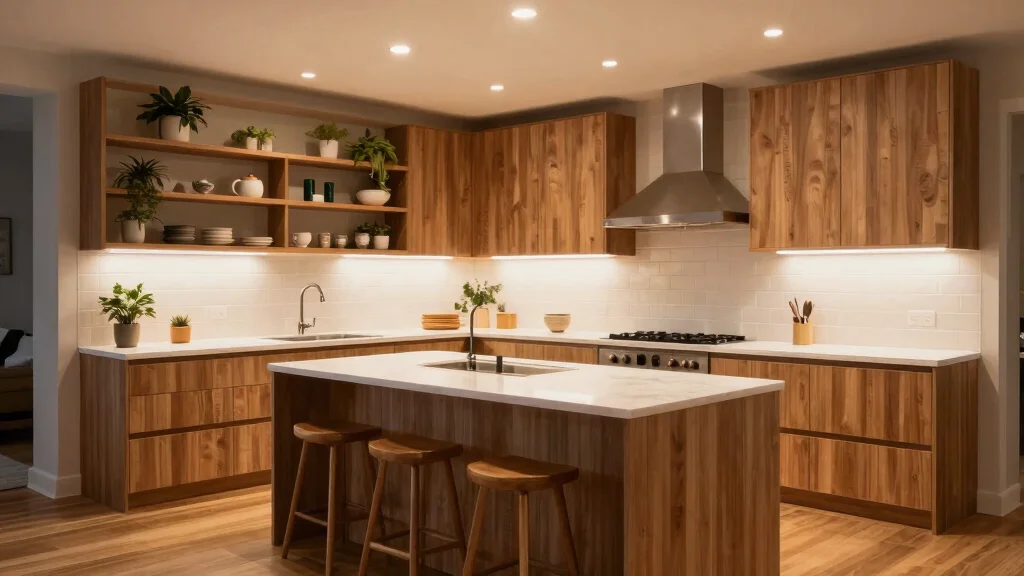


If you’ve ever found yourself in the kitchen, squinting to see your ingredients or fumbling around in dim lighting, then you know how important good lighting can be. This post explores how to enhance your kitchen with recessed lighting. These fixtures are sleek, modern, and can significantly improve functionality and aesthetics. With the right recessed lighting in your kitchen, you can create a warm, inviting atmosphere while saving energy and staying eco-friendly. This guide is for anyone looking to elevate their kitchen’s design, whether you’re a homeowner, a renter, or just someone who loves a good renovation project. If you’re passionate about sustainable living and want to implement energy-efficient lighting, you’ll find a treasure trove of ideas here. You’ll see that recessed lighting can fit seamlessly into any modern kitchen, bringing both style and practicality. Get ready to explore 18 fantastic recessed lighting ideas that will brighten your culinary space! From minimalistic designs to smart lighting solutions, there’s something for everyone. Each suggestion is tailored to help you achieve that perfect balance of beauty and efficiency in your kitchen.
Key Takeaways
– Explore different lighting styles: Discover how sleek, minimalist designs can enhance the aesthetic appeal of your kitchen. – Layer your lighting: Learn how to combine recessed lighting with other types of fixtures for an inviting atmosphere. – Choose energy-efficient options: Find out why LED lights are the best choice for saving on electricity bills while being eco-friendly. – Focus on placement: Understand how the right recessed lighting placement can improve functionality, especially in areas like kitchen islands and countertops. – Get creative with designs: Check out custom shapes and decorative trims that add a unique touch to your kitchen lighting scheme.Recommended Products
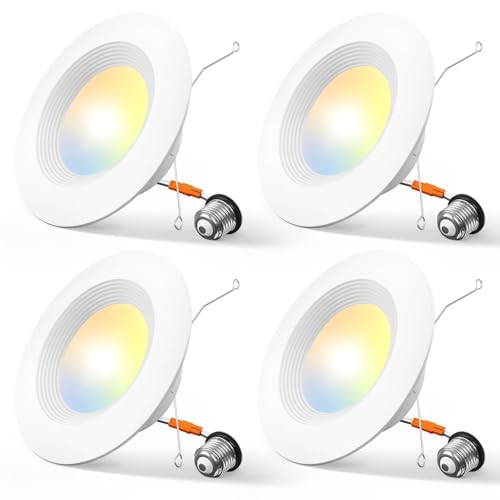
Eye protection: The brightness of the can lights can be smoothly adjusted from 10% to 100%, so you can choose the most comfortable brightness for your eyes. Note: This light is compatible with most dimmers on the market, except for the smart dimmer.

5 CCT-in-1: 5 color temperature(2700K, 3000K, 3500K, 4000K, 5000K) is selectable to you, which successfully eliminates the hassle of returning or exchange products due to inappropriate color temperature. Just slide the switch on the side of the J-box and you will get the most-desired color that best fit in your room type.

5 CCT-in-1: 5 color temperature(2700K, 3000K, 3500K, 4000K, 5000K) is selectable to you, which successfully eliminates the hassle of returning or exchange products due to inappropriate color temperature. Just slide the switch on the side of the J-box and you will get the most-desired color that best fit in your room type.
Contents
- 1. Sleek, Minimalist Recessed Lighting
- 2. Accent Lighting for Focal Points
- 3. Layered Kitchen Lighting
- 4. Energy-Efficient LED Options
- 5. Smart Lighting Solutions
- 6. Recessed Lighting in Kitchen Islands
- 7. Textured Ceiling Designs
- 8. Contrast with Wall Fixtures
- 9. Eco-Friendly Materials
- 10. Decorative Trims for Recessed Lighting
- 11. Using Recessed Lighting for Safety
- 12. Customized Recessed Lighting Shapes
- 13. Color-Changing Recessed Lights
- 14. Incorporating Natural Light
- 15. Stylish Recessed Light Fixtures
- 16. Recessed Lighting Above Cabinets
- 17. Using Task Lighting Effectively
- 18. Eco-Conscious Light Control
Recommended Products

E26 Socket Compatibility: Compatible with E26/E27 socket ONLY, confirm you have a medium-based E26/E27 bulb inside your recessed can housing before ordering

【E26 Socket Adapter】 Compatible with E26/E27 Base ONLY,confirm you have a medium-based E26/E27 bulb inside your recessed can housing before ordering.

Easy Recessed Lighting Replacement: No tools or skills needed, just screw into the socket to use, easily retrofit your original recessed light fixture or add this pendant recessed light fixture to your house as home decor, save on expensive repairs and an electrician
1. Sleek, Minimalist Recessed Lighting
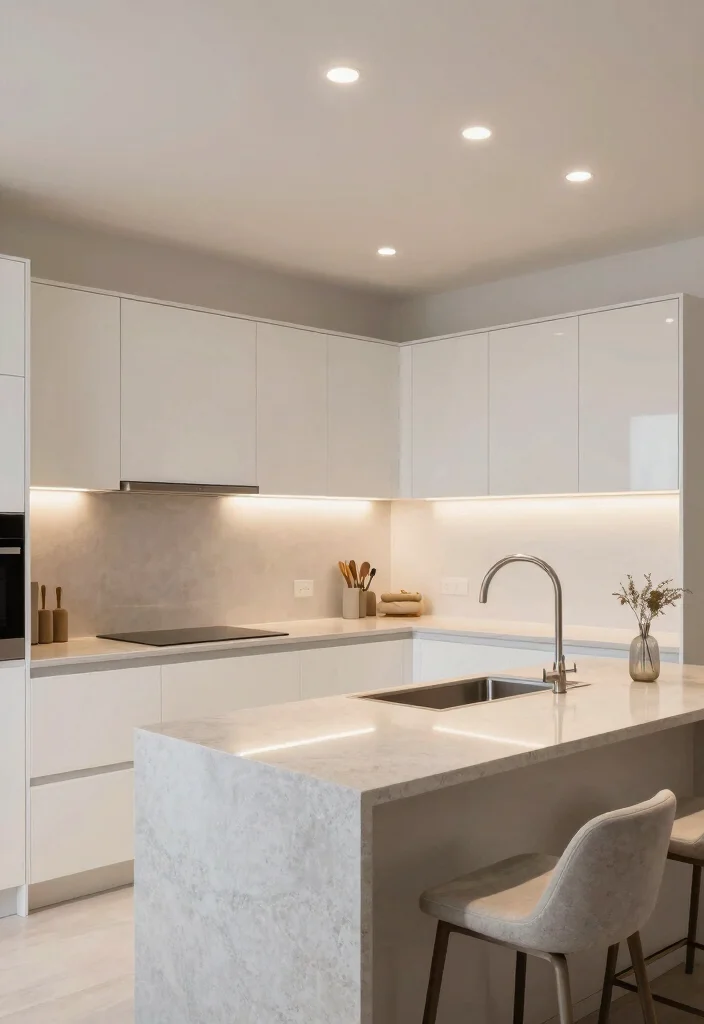
Embracing a less is more philosophy, sleek minimalist recessed lighting stands out in modern kitchens. These fixtures integrate seamlessly into ceilings, offering unobtrusive illumination that keeps your kitchen’s beauty front and center. Their simplicity creates a clean, uncluttered aesthetic, perfect for those who cherish a streamlined look, as seen with white ceilings and light gray cabinetry.
To make the most of this design, consider using dimmable LED bulbs that allow you to adjust the lighting to match different times of the day or special occasions. This flexibility can enhance the atmosphere of your kitchen while remaining budget-friendly.
Consider these elements to maximize this palette’s potential:
– Pair flush-mounted fixtures with white ceilings for a seamless look.
– Install warm white bulbs for an inviting, cozy ambiance.
– Position lights evenly to brighten workspaces like countertops and islands.
This approach brings elegance while remaining approachable, as textures and materials work together to enrich the visual experience.
Recommended Products

CANLESS DESIGN: This slim LED ceiling light installs below the ceiling—no recessed housing or J-Box required—for ultimate convenience and flexibility. Optional mounting frames are available for new construction projects

[Smart voice control] SikSog Smart RGBCW Recessed Lighting is compatible with Alexa voice control light. Support one-step connection. Just say "find the device" to the speaker, and then you turn on the ceiling light. A simple conversation can let you turn on and off the lights, set the color of each light, and dim the lights to match your favorite scenes (such as home theater, bathroom, yoga, game room, etc.). The operation is simple.

[Smart voice control] SikSog Smart RGBCW Recessed Lighting is compatible with Alexa voice control light. Support one-step connection. Just say "find the device" to the speaker, and then you turn on the ceiling light. A simple conversation can let you turn on and off the lights, set the color of each light, and dim the lights to match your favorite scenes (such as home theater, bathroom, yoga, game room, etc.). The operation is simple.
2. Accent Lighting for Focal Points
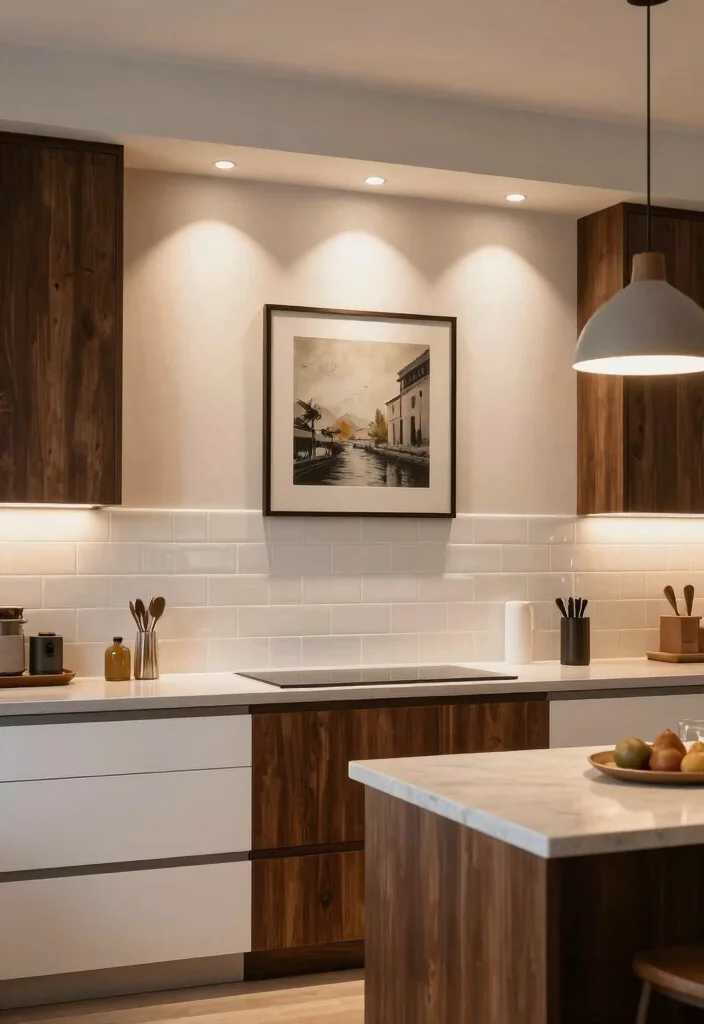
Using recessed lighting as accent features can showcase your kitchen’s most stunning elements, such as unique backsplashes or beautiful artwork. By tactically positioning these lights, you can highlight your favorite pieces, making them the focal points that draw the eye. This technique not only enhances the decor but also adds depth, bringing your kitchen to life.
For best results, combine recessed lighting with adjustable trims that allow you to direct the light where it’s most needed. This method elevates the decor while ensuring functionality, enhancing the overall kitchen experience.
Consider these actionable ideas:
– Pair recessed lights with pendant fixtures to create layered lighting.
– Use brighter bulbs to ensure accents truly pop.
– Experiment with angles to create dynamic effects.
This method not only enhances visual appeal but also improves functionality, ensuring vital areas are well-lit and inviting.
Recommended Products


Dual Control Options: Alexa Voice (Alexa Speaker Required) + BRmesh App. Skip the hassle of registration and third-party accounts entirely. Our iLC canless 4 inch recessed lighting works seamlessly with Alexa speakers for voice commands and the BRmesh app for complete control. Enjoy hands-free operation or fine-tune all your lighting settings directly in the app—no sign-up needed. Please note: This recessed light does not work with Google Home or Apple HomeKit.

[Smart voice control] SikSog Smart RGBCW Recessed Lighting is compatible with Alexa voice control light. Support one-step connection. Just say "find the device" to the speaker, and then you turn on the ceiling light. A simple conversation can let you turn on and off the lights, set the color of each light, and dim the lights to match your favorite scenes (such as home theater, bathroom, yoga, game room, etc.). The operation is simple.
3. Layered Kitchen Lighting
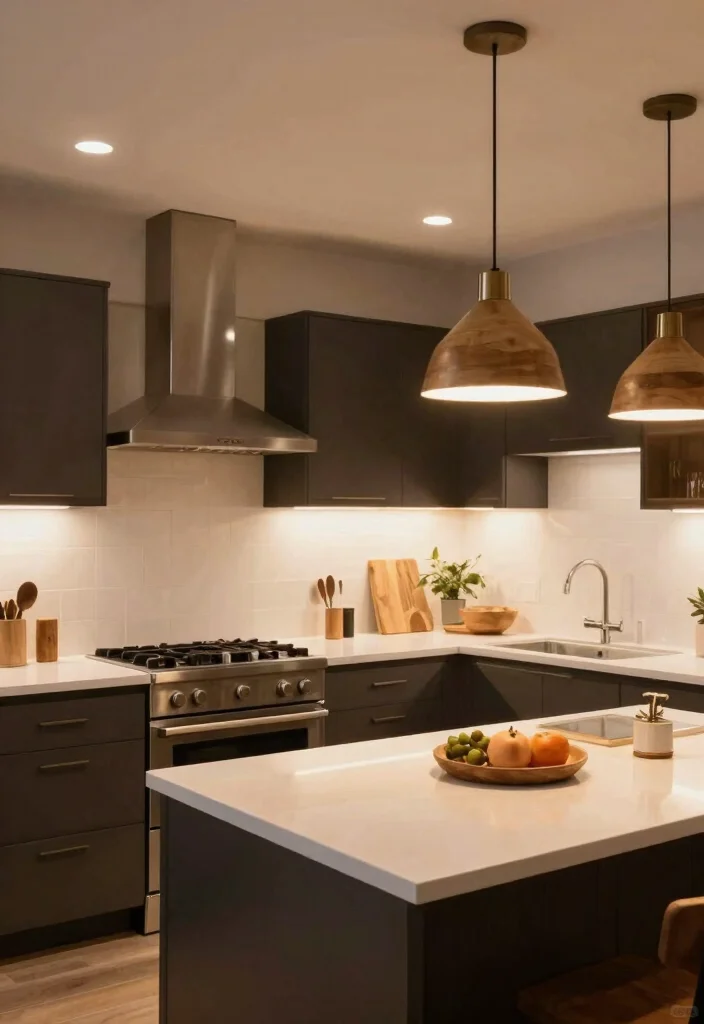
Layering your kitchen lighting is essential for creating a balanced and functional space. By integrating recessed lights with under-cabinet and pendant fixtures, you can craft a versatile lighting scheme that adapts to your cooking and entertaining needs. This multifaceted approach offers a mix of bright and ambient lighting tailored to each moment.
As you blend different light sources, pay attention to their color temperatures to maintain a cohesive aesthetic throughout your kitchen. This careful consideration will help you achieve harmony and beauty in your design.
Here are a few tips to implement this effectively:
– Use dimmer switches to adjust lighting intensity as needed.
– Position recessed lights to minimize shadows on work surfaces.
– Incorporate under-cabinet lighting for additional task illumination.
Layered lighting not only enhances the kitchen’s atmosphere but allows you to create bright spaces for cooking and cozy settings for gatherings.
Recommended Products

Specification: Material: Aluminum Alloy; Color: Matte White; Fits Openings Size: 100 x 100mm / 4 x 4inch ( L * W ); Internal Cut Out/Neck Size: 95 x 95mm / 3.74 x 3.74inch ( L * W ); Outer Overall Size: 130 x 130mm / 5.12 x 5.12 inch ( L * W ); Height: 24.5mm/ 0.96 inch; Packing List: 1Pcs x Square Ceiling Cover Plate


These goof rings have an outer diameter of 6.7 inches and an inner diameter of 4.25 inches. They easily offer a clean look and cover up unsightly ceilings with torn drywall, mis-cuts, and oversized holes.
4. Energy-Efficient LED Options
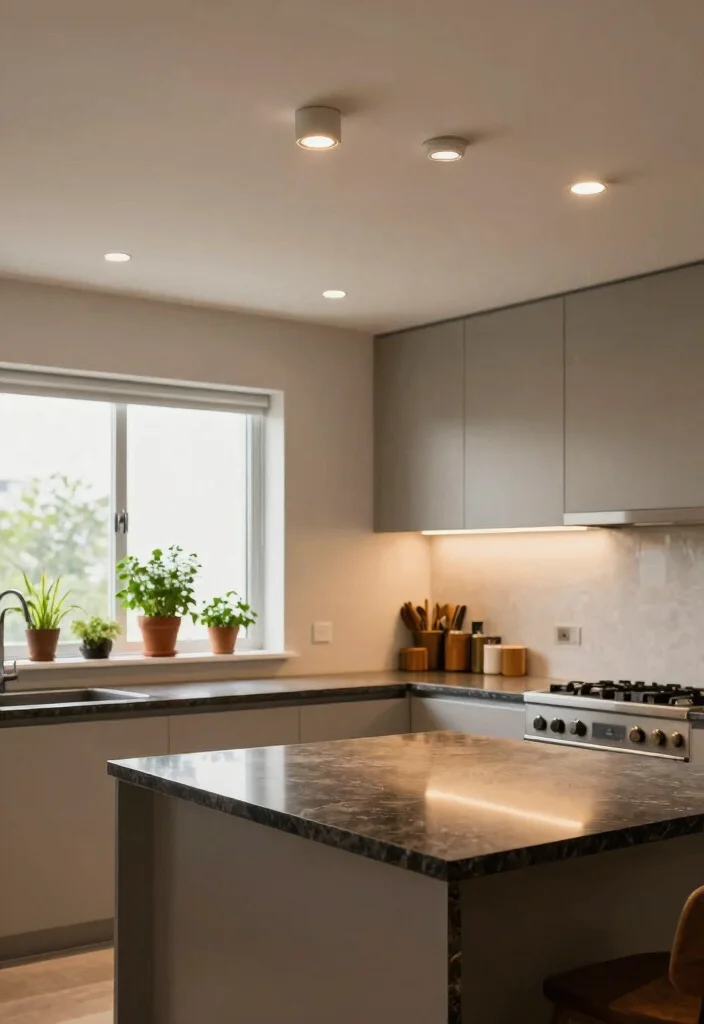
Switching to energy-efficient LED recessed lighting is an excellent choice for eco-conscious homeowners. LEDs consume less energy than traditional bulbs and boast a longer lifespan, making them a smart investment. They come in various color temperatures, allowing you to tailor the ambiance of your kitchen to suit your style.
By incorporating LED recessed lights, you not only contribute to a greener planet but also enhance your kitchen’s overall atmosphere. The right fixtures can seamlessly blend functionality with sustainability.
Implement these strategies for an effective upgrade:
– Look for Energy Star-rated LED fixtures for optimal performance.
– Choose dimmable LEDs for flexible lighting options.
– Ensure the wattage is compatible with your lighting setup.
Long-term, LED lights can significantly cut down energy costs while delivering exceptional quality lighting that enhances your space.
Fun fact: LED recessed lighting uses up to 80% less energy than traditional bulbs and can last 25,000 hours. Switch to energy-efficient LED options for recessed lighting in your kitchen to cut bills and craft the perfect color temperature for every task.
Recommended Products
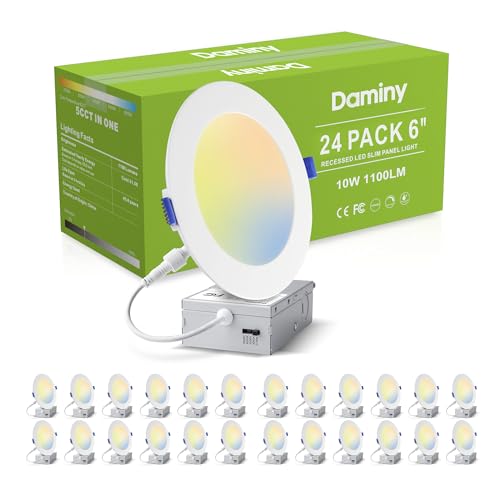
💡【5 CCT-in-1】5 color temperature options (2700K/3000K/3500K/4000K/5000K) for different application scenarios, eliminates the hassle of returning or exchange products due to inappropriate color temperature. Just slide the switch on the side of junction box for your desired color temperature.

5 COLOR OPTIONS - Not sure what recessed lighting color temperature you are looking for in your home? Each 5 / 6 inch dimmable LED downlight has a simple to use switch on the back that can change your lights to 2700K warm white, 3000K soft white, 3500K natural white, 4000K cool white, or 5000K bright white. Your home ceiling can lights will be adjustable through 5 color temperatures until you find the perfect light to select for your space.
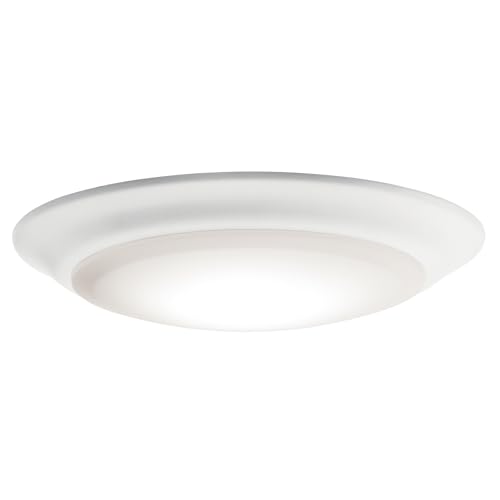
A flush mount ceiling light that offers a modern design that works well with contemporary and transitional décor
5. Smart Lighting Solutions
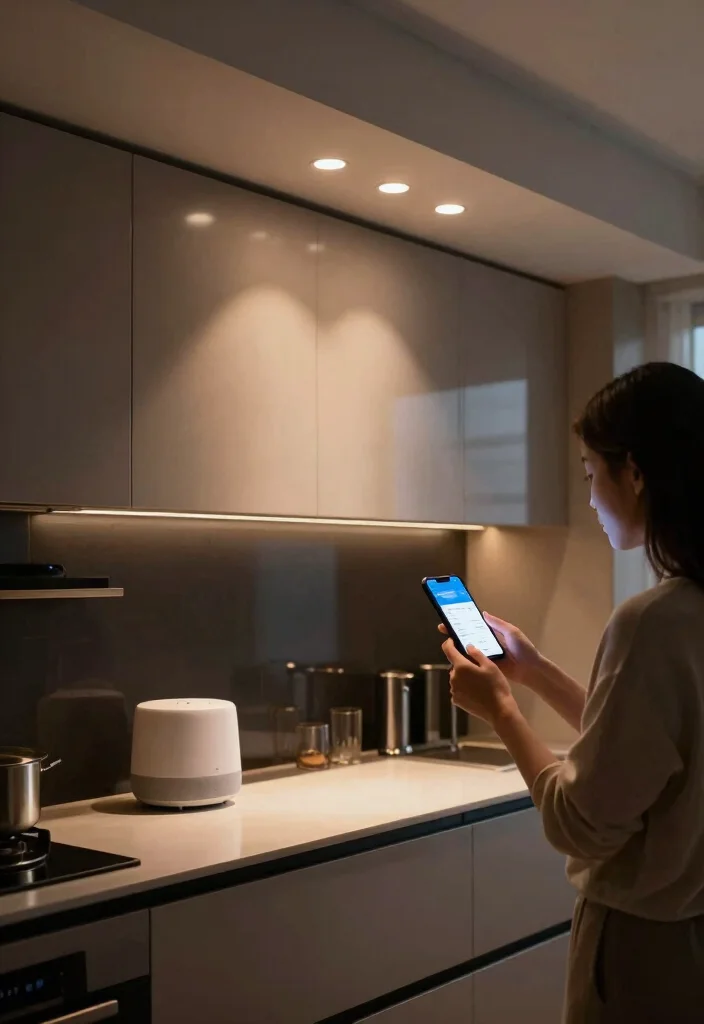
Incorporating smart recessed lighting technology can elevate your kitchen experience. These innovative fixtures allow you to control brightness, color temperature, and even automate your lighting schedule based on daily routines. This level of convenience is perfect for busy households where efficiency is key.
Smart lighting not only enhances energy savings but also provides peace of mind, as you can manage your lights remotely or via voice commands, adding a layer of comfort to your kitchen.
Consider these practical tips:
– Ensure compatibility with current smart home devices.
– Utilize motion sensors for automatic lighting in high-traffic areas.
– Experiment with various color settings to match your mood.
Smart lighting solutions not only enhance convenience but also contribute to safety, ensuring your kitchen is well-lit whenever you need it.
Smart recessed lighting in the kitchen makes daily routines effortless—adjust brightness and color temperature with a tap, and automate your lighting schedule. It saves energy, gives you remote control, and fits a busy, modern lifestyle.
Recommended Products

💡【5 CCT-in-1】5 color temperature options (2700K/3000K/3500K/4000K/5000K) for different application scenarios, eliminates the hassle of returning or exchange products due to inappropriate color temperature. Just slide the switch on the side of junction box for your desired color temperature.

Perfect for Medium Kitchen Islands: This 4-light island light (31 inches long) is perfect for kitchen islands ranging from 4 ft to 4.5 ft (48 -54'') in length, clear glass collocation with four 2700K-3000K color temperature E26 bulbs (bulbs not included) illuminates the work area

【E26 Socket Adapter】 Compatible with E26/E27 Base ONLY,confirm you have a medium-based E26/E27 bulb inside your recessed can housing before ordering.
📹 Related Video: EASY Setup Smart Recessed Lights | Google, Alexa, Siri (OREIN)
6. Recessed Lighting in Kitchen Islands
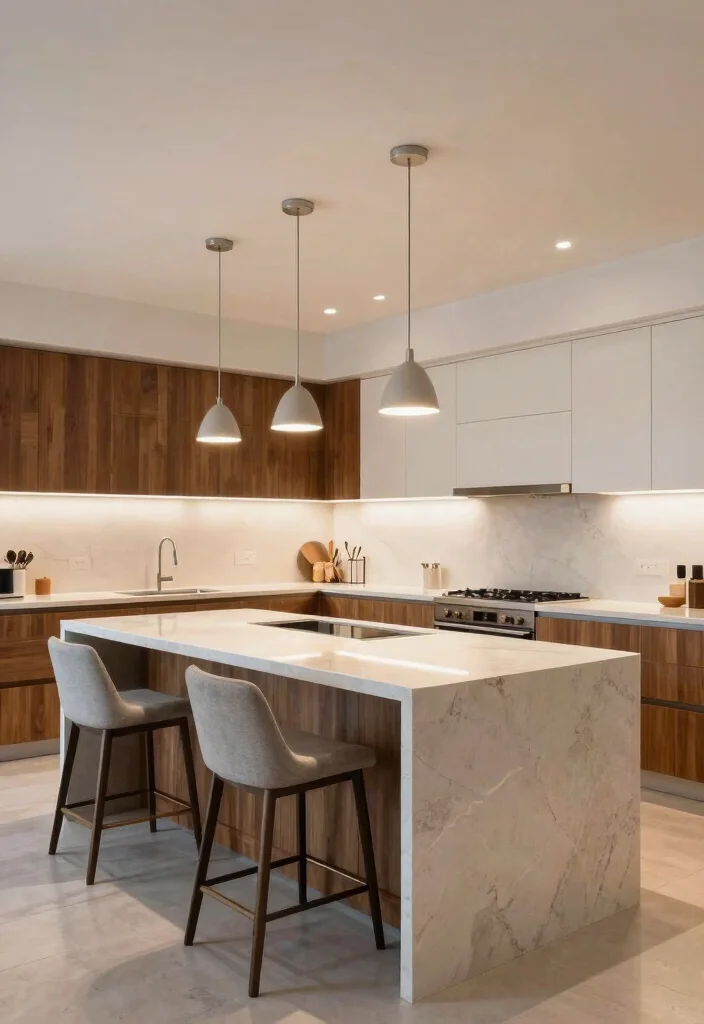
Kitchen islands often serve as the central hub of activity, making them ideal for recessed lighting. Directing light above the island creates a functional workspace that is perfect for preparing meals, dining, or socializing. Arranging recessed fixtures in a grid pattern ensures even illumination, eliminating dark spots that can hinder tasks.
Consider complementing the recessed lighting with stylish pendant lights to create a visually striking focal point that enhances the island’s appeal.
Here are some effective tips to remember:
– Choose fixtures with adjustable angles for versatility.
– Ensure your island is sufficiently sized for effective lighting placement.
– Match the style of recessed lights with other kitchen fixtures for a cohesive look.
Strategically placed lighting above your island can enhance its functionality, making it the centerpiece for family gatherings and social events.
Recommended Products
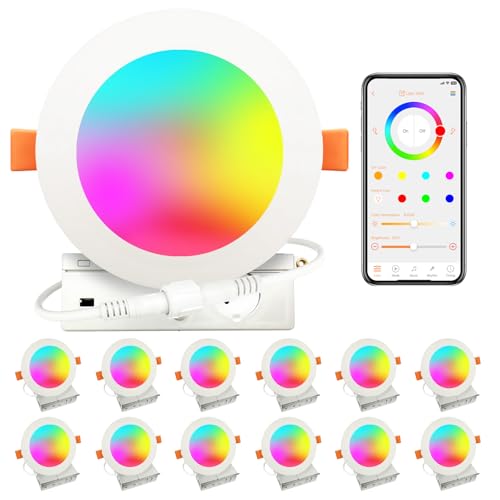
【Bluetooth 4 inch recessed lights compatible with Alexa & Siri】 Led recessed light 4 Inch compatible with Alexa & Siri : 12W , 120W Equivalent , 1100LM, CRI>85; 16 million RGB static colors , Tunable White, Adjustable color temperature 2700K-6000K,1-100% brightness dimmable, Timing function, Sync with music, Group control , Single control, DIY Scene function, DIY Flash and DIY Fade, and multiple dynamic modes for daily. Suitable for daily, mood lighting and decorative lighting. You can turn on the white light for daily use, and also use the BRmesh APP to set any color/mode to decorate festival or parties. No Registration nor Internet Required!

💡Smart voice control. ChangM Smart recessed lighting 6 inch is work with Amazon Alexa. Support one-step connection. Just say "find the device" to the Alexa speaker, and then you turn on the 6 inch recessed lights. A simple conversation can let you turn on/off the recessed lights, set the color of each smart recessed light, and dim the Alexa recessed lights to match your favorite scenes (such as home theater, bathroom, yoga, game room, etc.)The operation is simple.

[Smart voice control] SikSog Smart RGBCW Recessed Lighting is compatible with Alexa voice control light. Support one-step connection. Just say "find the device" to the speaker, and then you turn on the ceiling light. A simple conversation can let you turn on and off the lights, set the color of each light, and dim the lights to match your favorite scenes (such as home theater, bathroom, yoga, game room, etc.). The operation is simple.
7. Textured Ceiling Designs
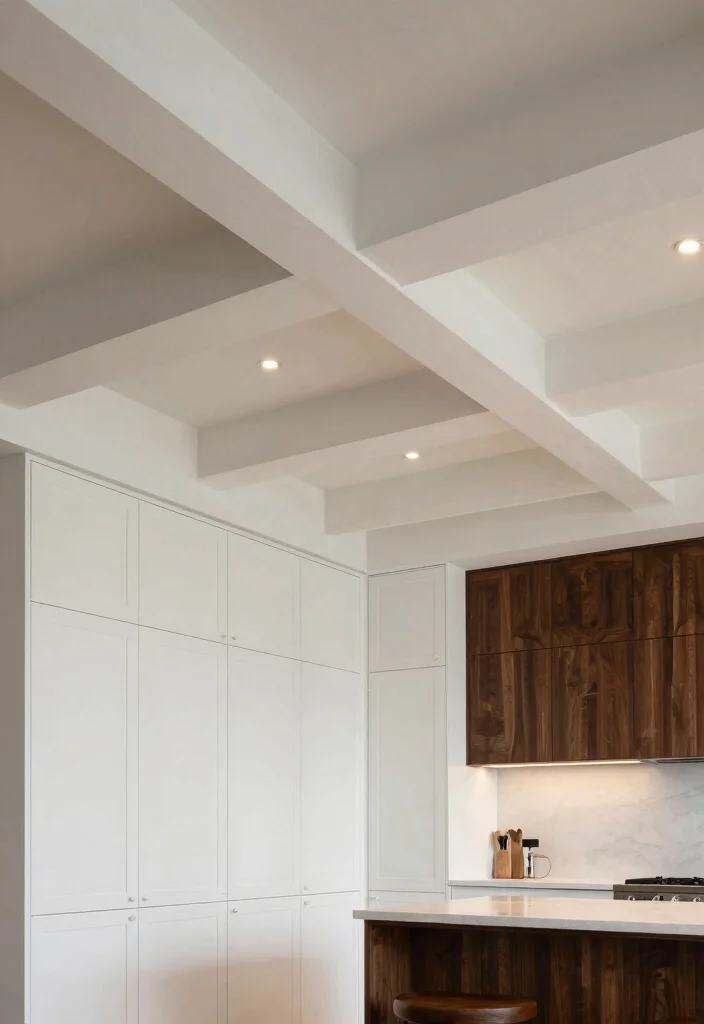
Creating an interesting ceiling design can elevate your kitchen’s appeal, especially when paired with recessed lighting. Textured ceilings, such as coffered or beamed styles, introduce depth and character to the space. By incorporating recessed lights into these designs, you can highlight their unique features and create a captivating visual experience.
This thoughtful design choice not only enriches the aesthetic but also ensures effective illumination, enhancing your kitchen’s overall ambiance.
Consider these practical elements:
– Coordinate ceiling textures with your kitchen’s overall theme.
– Use recessed lighting to soften shadows created by beams or coffered designs.
– Space fixtures appropriately for even light distribution.
The interplay of light and shadow created by recessed lighting in textured designs adds a dynamic quality that enhances your kitchen’s visual interest.
Recommended Products

5/6 Inch Retrofit Fit, Existing Housing Required: This 120V LED retrofit recessed light 6 inch is designed to fit most existing 5/6 inch recessed housings/cans. It measures 7.28 inches in diameter x 2 inches in height and includes a 10-inch cord, designed for effortless installation into 5/6 inch ceiling cutouts. With the included E26 base or TP24 connector, it provides flexible installation options. It is not compatible with any wall dimmer switch — use a standard ON/OFF toggle switch.

【LED downlight RGB+CCT】ChangM Remote recessed lighting 4 inch RGBCW has 14 static RGB colors,adjustable color temperature of 2700K-6000K (warm white, sunlight and cold white) and 3 dynamic modes:strobe/smooth/romantic mode for your choice gives you effortless access to your preferred ambiance. It can be the normal lighting, mood lighting, decorative lighting, party lighting and etc.

Matter Compatible: This is Govee's first Matter light bulb, which works with Matter, Alexa & Google Assistant for unified matter smart home control. Manage these Matter smart bulbs via 2.4 GHz WiFi/Bluetooth from anywhere using the Govee App. Create schedules, groups, and voice commands effortlessly. (2.4GHz Wi-Fi only)
8. Contrast with Wall Fixtures
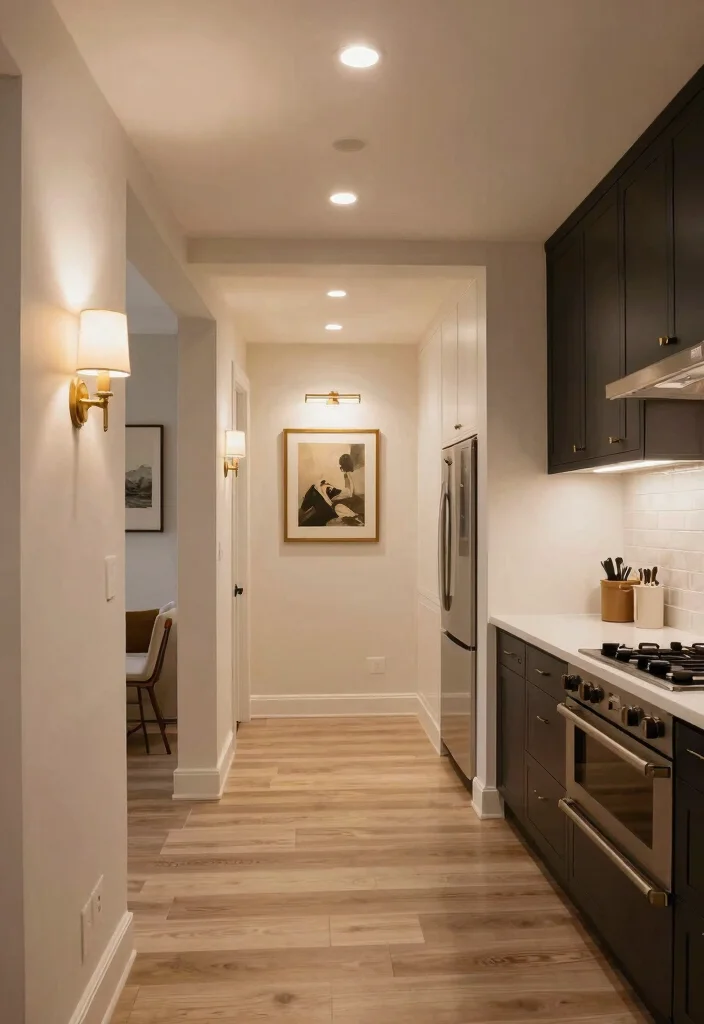
Creating a harmonious balance between recessed lighting and wall fixtures adds dimension and depth to your kitchen. Pairing recessed lights with wall sconces creates a warm, inviting atmosphere while providing ample illumination. This combination works especially well in larger kitchens where recessed lights alone might fall short.
Select wall fixtures that complement your recessed lights, ensuring they contribute to a cohesive design that enhances the overall aesthetic.
Here are some useful tips to implement:
– Frame doorways or artwork with wall sconces for a dramatic effect.
– Choose adjustable sconces to control light direction.
– Match the color temperatures of both light sources for a consistent feel.
This dual-lighting strategy can create layers of light that make your kitchen feel spacious yet cozy.
Recommended Products

DURABLE POLYURETHANE BUILD – Crafted from high-density urethane foam, lightweight yet strong. Resists cracking, warping, and peeling for long-term indoor use.

Requires one BR40 or PAR38 bulb rated up to 150-Watts Max. (not included)
Requires one A19 bulb rated up to 60-Watts Max. (not included)
You might also like
How To Choose Recessed Lighting for Your Kitchen
Choosing the right recessed lighting for your kitchen can greatly enhance its style and functionality. The key is to consider various factors to ensure you make the best choice. Here are some essential criteria to guide your decision-making: 1. Size MattersThe size of your recessed lights will affect the overall illumination and appearance of your kitchen. Typically, a 4-inch diameter is ideal for smaller spaces, while 6-inch fixtures work well for larger areas. Measure the dimensions of your kitchen to determine how many lights you need. A good rule of thumb is to space lights about 4 to 6 feet apart for even distribution.
2. Type of Bulbs
Consider the type of light bulbs that will be used in your recessed fixtures. LED bulbs are the most energy-efficient option, lasting longer and using less electricity than incandescent or halogen bulbs. They come in various color temperatures, allowing you to choose warm, cool, or neutral light to create the mood you want in your kitchen.
3. Placement and Layout
The placement of your recessed lighting is crucial for achieving ambient and task lighting. Think about where you spend most of your time, like over the kitchen island or near the stove. A good approach is to create a grid pattern that covers the whole area evenly and allows for proper illumination where it’s most needed. Make sure to plan for any cabinets or shelves that might block light.
4. Style and Design
Recessed lighting comes in various styles and finishes. Think about the overall design of your kitchen. For a modern look, choose sleek, minimalist fixtures. If your kitchen has a rustic or traditional vibe, consider fixtures with decorative trims or finishes that complement your cabinetry and countertops.
5. Energy Efficiency
As sustainability becomes more important, selecting energy-efficient lighting options is a smart choice. Look for fixtures with an Energy Star rating, which indicates they meet strict energy efficiency guidelines. This not only saves money on your energy bill but also reduces your environmental footprint.
6. Dimming Options
Incorporating dimmable recessed lighting gives you flexibility in controlling the ambiance of your kitchen. This is especially useful for multi-functional spaces. With a dimmer switch, you can adjust the brightness to suit different times of the day or activities, from bright cooking light to soft evening ambiance.
Pro Tip: Always consult with a professional electrician when installing recessed lighting. They can ensure that your fixtures are correctly wired and safely installed, preventing any electrical issues in the future. Planning ahead will save you both time and money in the long run.
9. Eco-Friendly Materials
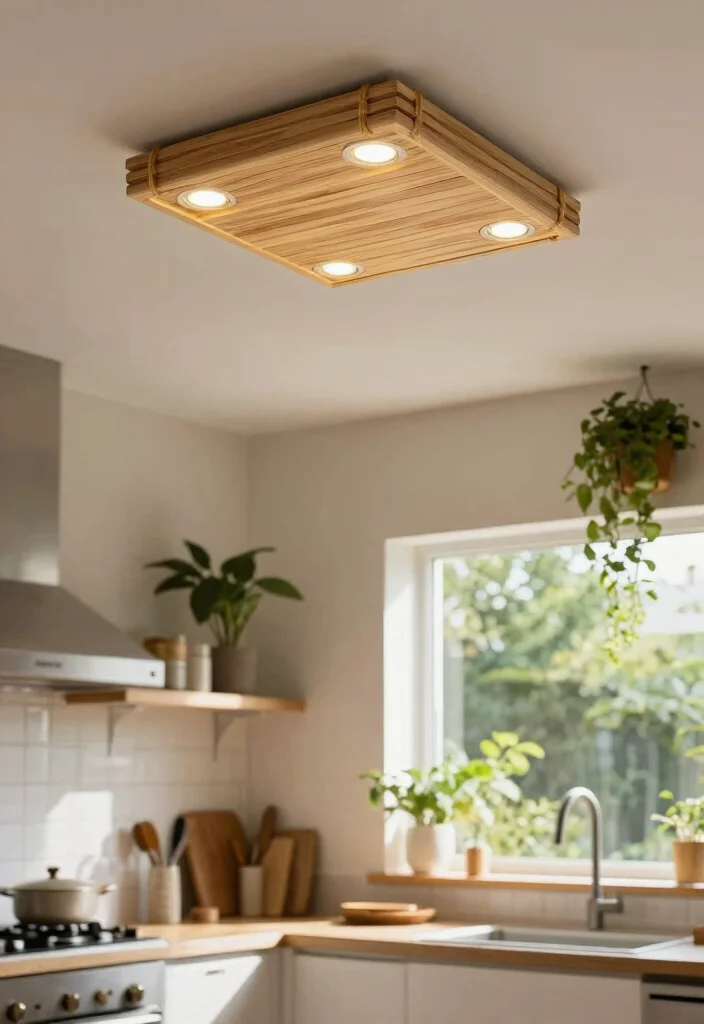
Eco-friendly materials are becoming increasingly popular in home decor, including lighting fixtures. Choosing recessed lights made from sustainable materials can contribute to a greener home while adding unique charm to your kitchen. Options like bamboo, recycled metals, and organic textures create designs that stand out and reflect an eco-conscious mindset.
These choices not only foster sustainability but also infuse your kitchen with character, enhancing its overall decor.
Consider these tips for selecting eco-friendly options:
– Research brands prioritizing sustainable materials.
– Look for eco-certifications to ensure responsible choices.
– Incorporate natural elements into your kitchen for a cohesive, eco-friendly aesthetic.
Opting for eco-friendly recessed lighting reduces your carbon footprint and supports brands committed to sustainability.
Did you know that eco-friendly recessed lighting in the kitchen using bamboo or recycled metals can cut embodied energy by up to 30% versus conventional fixtures? Choose fixtures made from bamboo or recycled metals to add unique texture and warmth you can feel while cooking.
10. Decorative Trims for Recessed Lighting
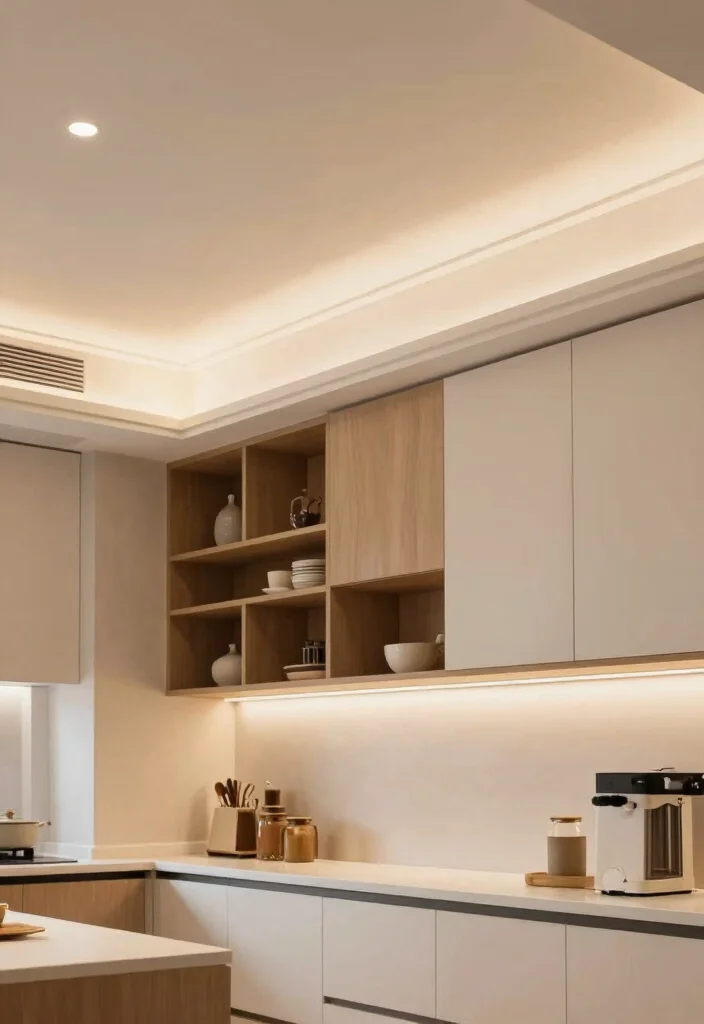
Incorporating decorative trims into your recessed lighting can elevate both design and personality in your kitchen. Trims come in a variety of styles, from sleek and modern to ornate and vintage, allowing you to select options that resonate with your taste. These decorative elements help recessed lights blend seamlessly into the ceiling while adding unique flair.
Choosing the right trims can transform standard recessed lights into stunning focal points that enhance your kitchen’s design.
Here are some strategies to consider:
– Match trims with other hardware in your kitchen for a cohesive effect.
– Choose contrasting colors for a bold statement.
– Ensure trims allow for proper light distribution without obstructing the beam.
Decorative trims can elevate standard recessed lights, making them captivating features that enhance your kitchen’s overall style.
11. Using Recessed Lighting for Safety
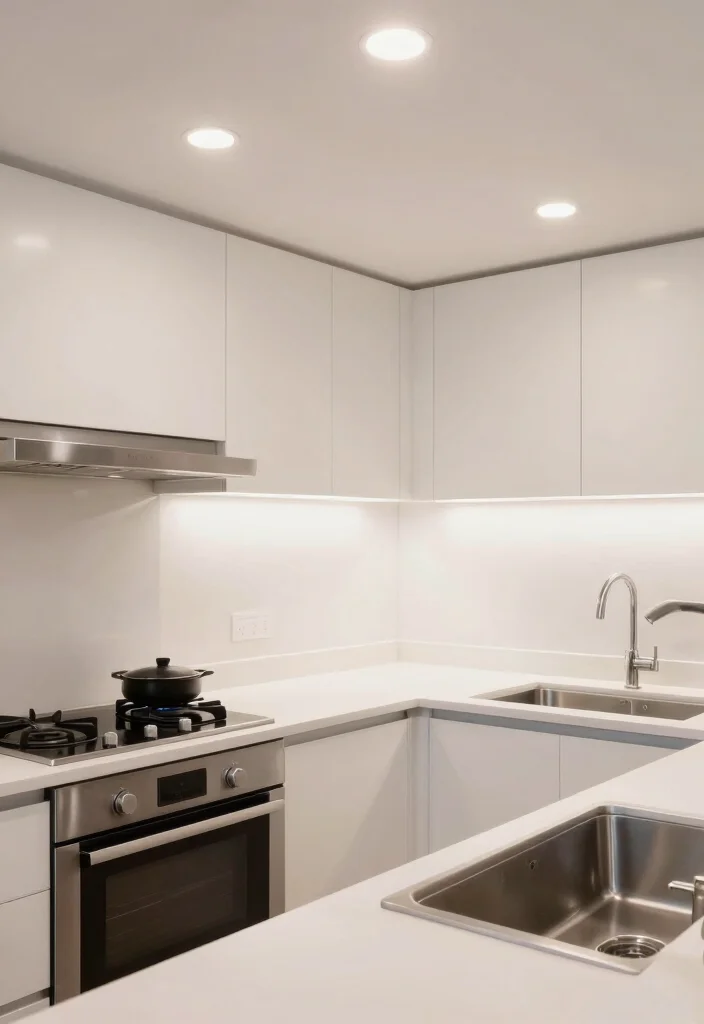
Safety is crucial in the kitchen, and effective use of recessed lighting can help prevent accidents. Properly placed recessed lights eliminate dark corners, ensuring ample visibility in key areas like the stove, sink, and preparation zones. Bright bulbs in these spaces can further enhance safety by providing clear sightlines.
Assessing common kitchen tasks will help determine ideal light placements, creating a safer environment for cooking and meal preparation.
Consider these practical tips:
– Use motion-sensor technology for lights in busy areas.
– Add battery-operated puck lights in dark cupboards for extra visibility.
– Regularly evaluate lighting needs based on your cooking habits.
Safe lighting arrangements lead to a more enjoyable cooking experience, reducing risks while preparing meals.
12. Customized Recessed Lighting Shapes
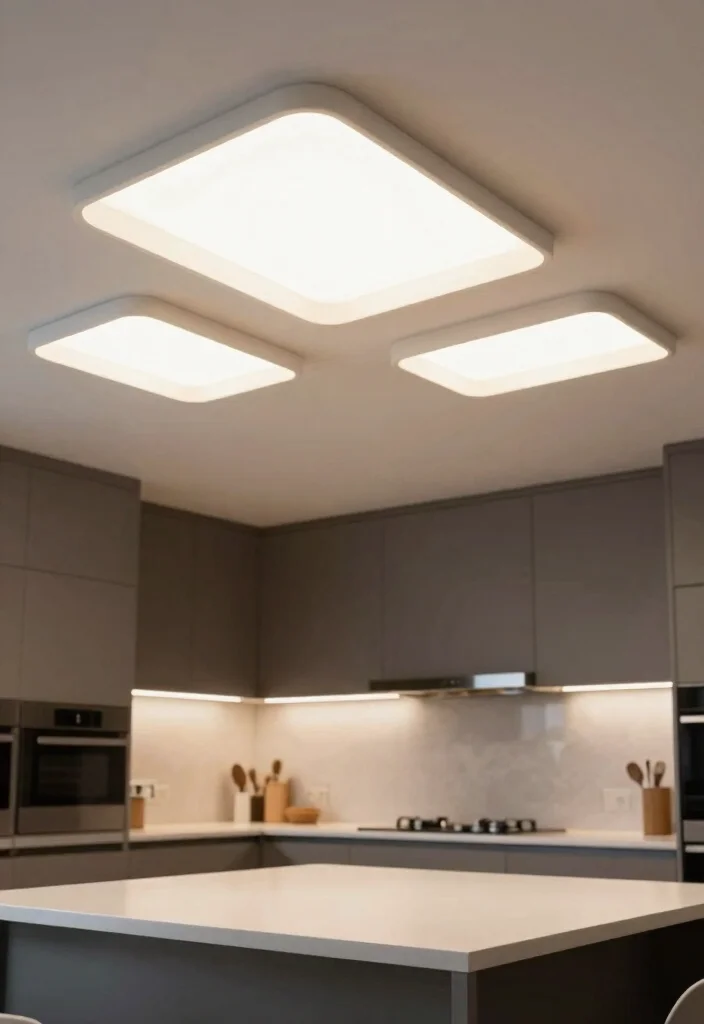
Thinking outside the box, custom-shaped recessed lights can infuse your kitchen with unique style. Whether opting for squares, rectangles, or playful designs, these fixtures can dramatically impact your space’s visual appeal. Customized shapes can align with specific kitchen themes, like industrial or farmhouse, enhancing the overall decor.
When selecting custom shapes, ensure they fit well within your kitchen’s design scheme and coordinate with the dimensions of the space for a harmonious look.
Here are some tips for success:
– Choose adjustable fixtures for versatile lighting.
– Ensure custom shapes align with your kitchen’s overall design.
– Coordinate sizes with the dimensions of your kitchen for balance.
Custom shapes can serve as statement pieces, elevating your kitchen’s decor while offering practical lighting solutions.
13. Color-Changing Recessed Lights
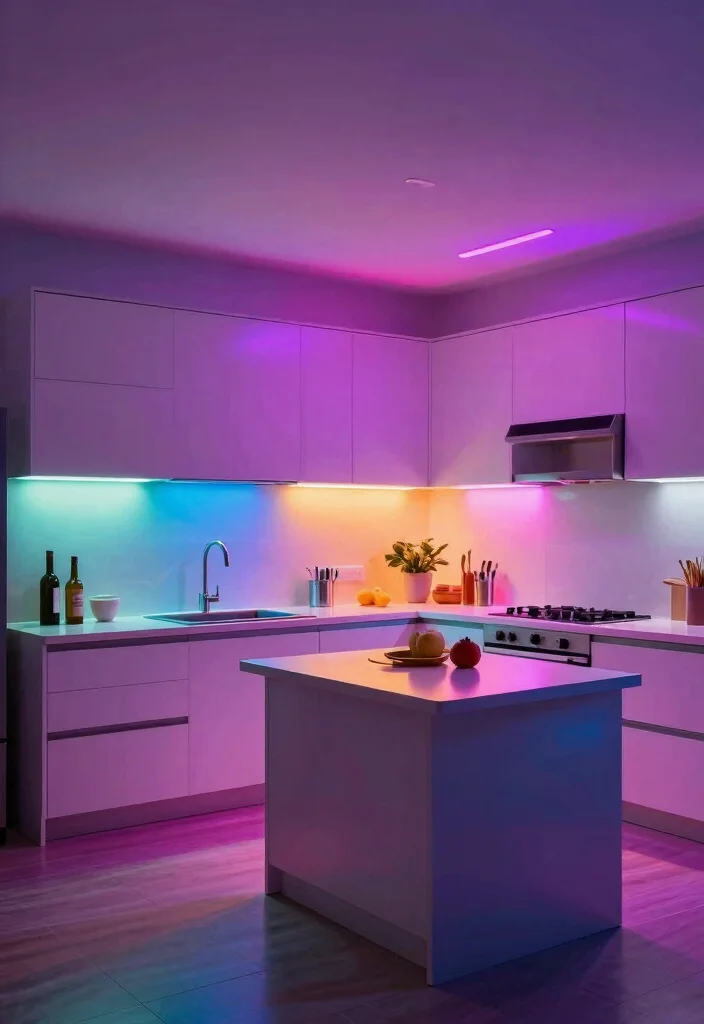
If you’re looking to add drama and versatility to your kitchen, color-changing recessed lights can transform your space. These innovative fixtures allow you to switch colors based on your mood or occasion, dramatically altering the kitchen’s atmosphere. Whether hosting a lively dinner party or enjoying a quiet family meal, customizing the lighting can significantly enhance the setting.
Integrating color-changing technology with smart controls allows for even greater flexibility, making it easy to create the perfect ambiance at the touch of a button.
Here are some practical tips to consider:
– Use color-changing lights with a dimmer for brightness control.
– Coordinate colors with your kitchen decor for harmony.
– Experiment with color combinations for special occasions.
Color-changing lights provide a fun way to personalize your kitchen experience, making it a vibrant space suited for all activities.
14. Incorporating Natural Light
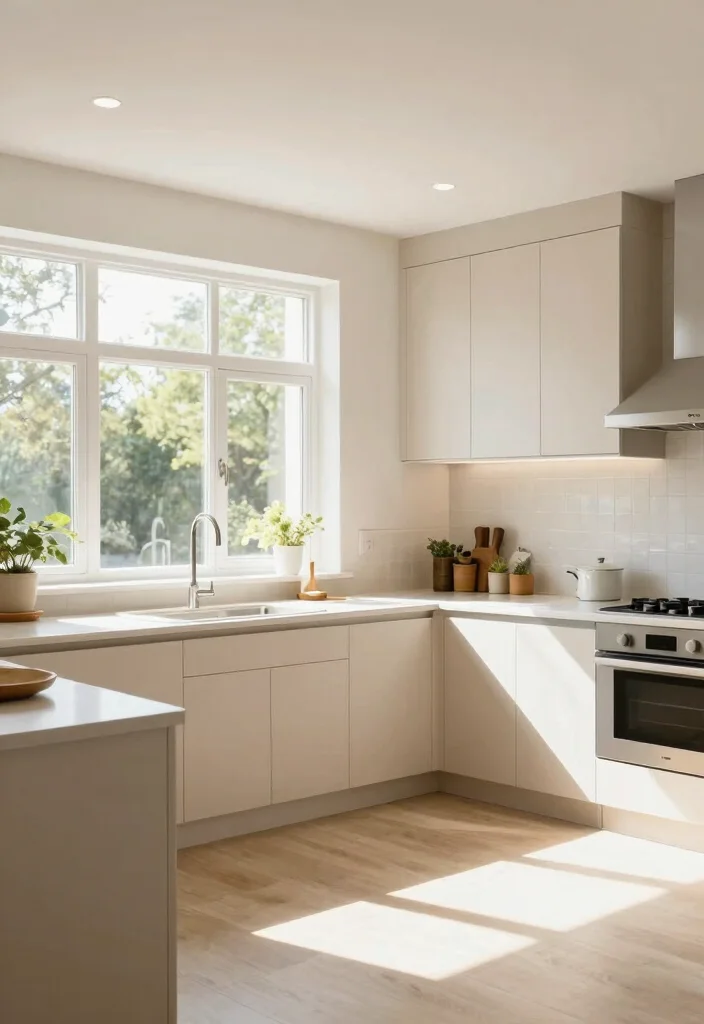
While recessed lighting plays an essential role, maximizing natural light in your kitchen is equally important. Combining recessed lights with windows or skylights creates a balanced lighting effect throughout the day. During daylight hours, natural light illuminates beautifully, while recessed fixtures can be used during evenings or cloudy days to maintain brightness.
Positioning your recessed lights to complement natural light ensures a warm, inviting glow that enhances the kitchen’s overall ambiance.
Consider these tips for optimal results:
– Strategically place mirrors to reflect natural light into your kitchen.
– Choose window treatments that allow for light diffusion.
– Use light-colored surfaces to amplify brightness.
The blend of natural and recessed lighting creates an inviting atmosphere, allowing your kitchen to transition beautifully from day to night.
You Might Also Like
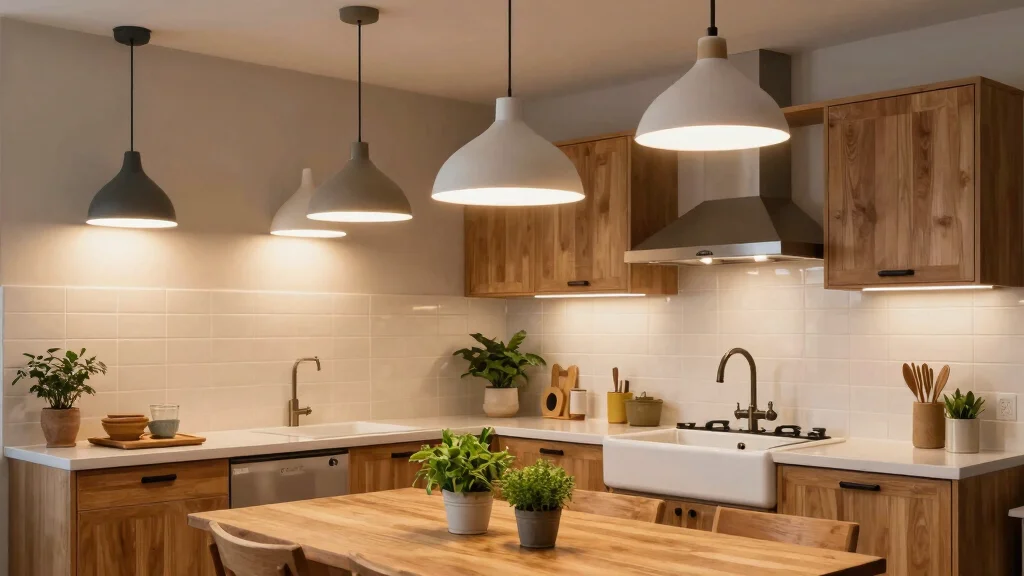
15. Stylish Recessed Light Fixtures
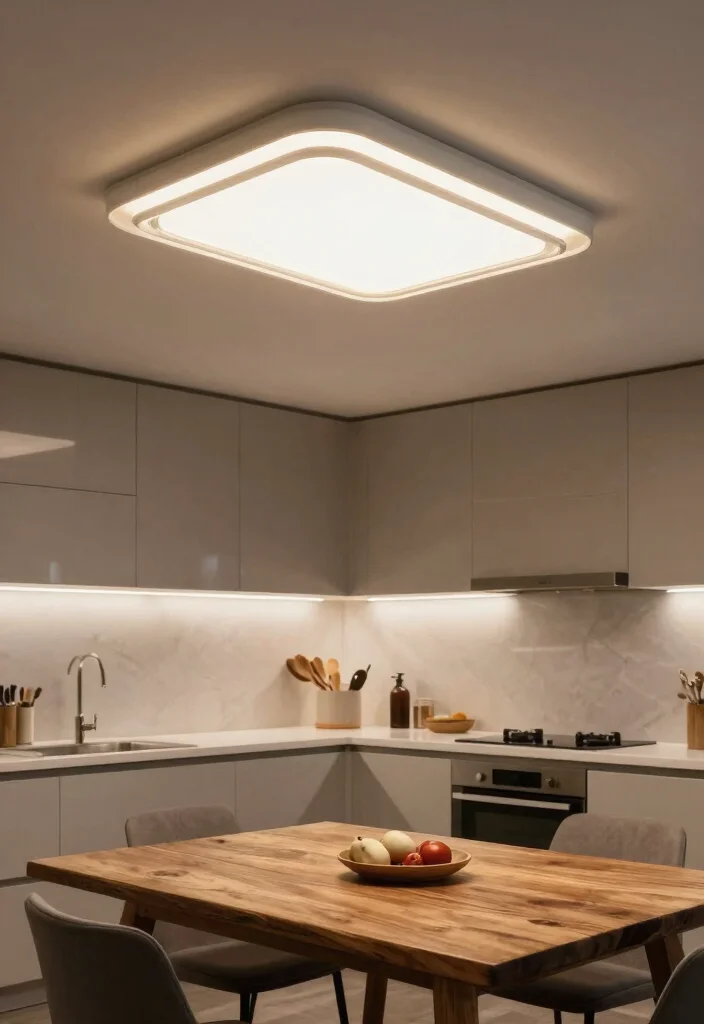
Selecting the right fixtures can significantly enhance your kitchen’s aesthetic. Instead of standard recessed lights, opt for fixtures that reflect your personal style—such as industrial chrome, rustic wood accents, or elegant glass designs. These stylish choices serve as both decorative elements and functional lighting solutions.
Incorporating beautifully designed fixtures improves not only the appearance of the lights but also the overall decor of your kitchen.
Keep these tips in mind:
– Select fixtures that match or complement your kitchen’s theme.
– Pay attention to the size and scale of fixtures in relation to your space.
– Choose finishes that can withstand kitchen conditions.
Stylish recessed light fixtures can transform an ordinary kitchen into a stunning space, making them integral to the overall decor.
16. Recessed Lighting Above Cabinets
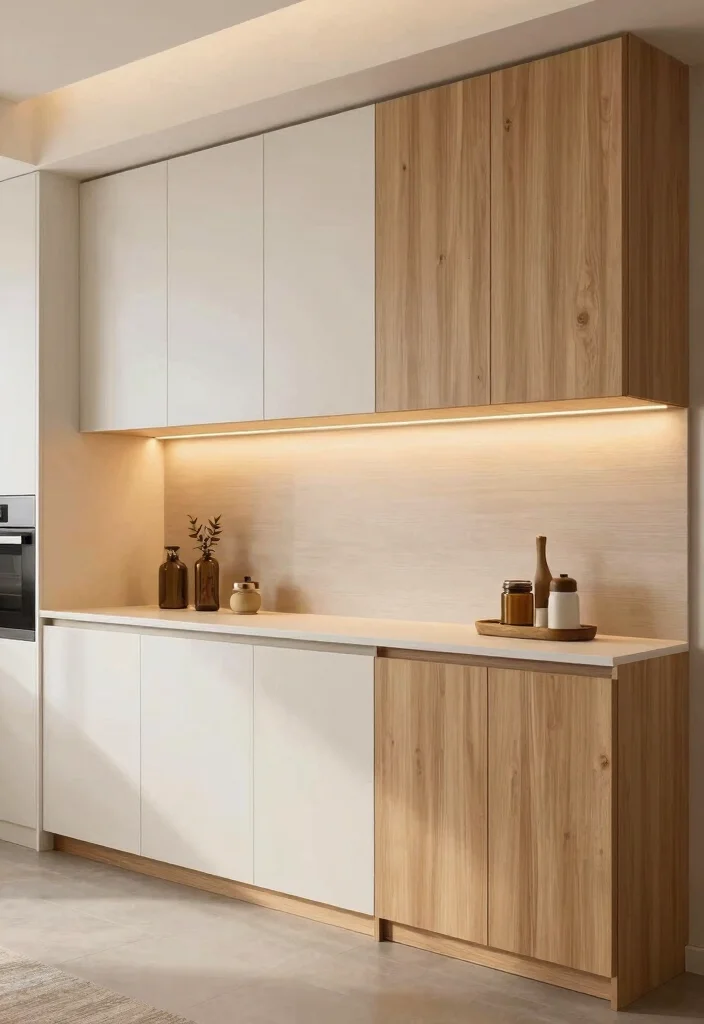
Utilizing recessed lights above cabinets can create a stunning visual effect while providing ambient lighting. This technique enhances your kitchen’s architectural features and highlights decorative items placed atop cabinets. Above-cabinet lighting adds warmth and can create an illusion of a larger space.
Integrating this lighting with your overall kitchen design ensures a cohesive and polished look.
Consider these practical tips:
– Position recessed lights carefully to avoid harsh shadows.
– Use LED strips or soft recessed fixtures for a gentle glow.
– Select colors that complement the decor without overwhelming it.
This technique not only enhances ambiance but also serves practical purposes, illuminating your favorite kitchen decor with style.
17. Using Task Lighting Effectively
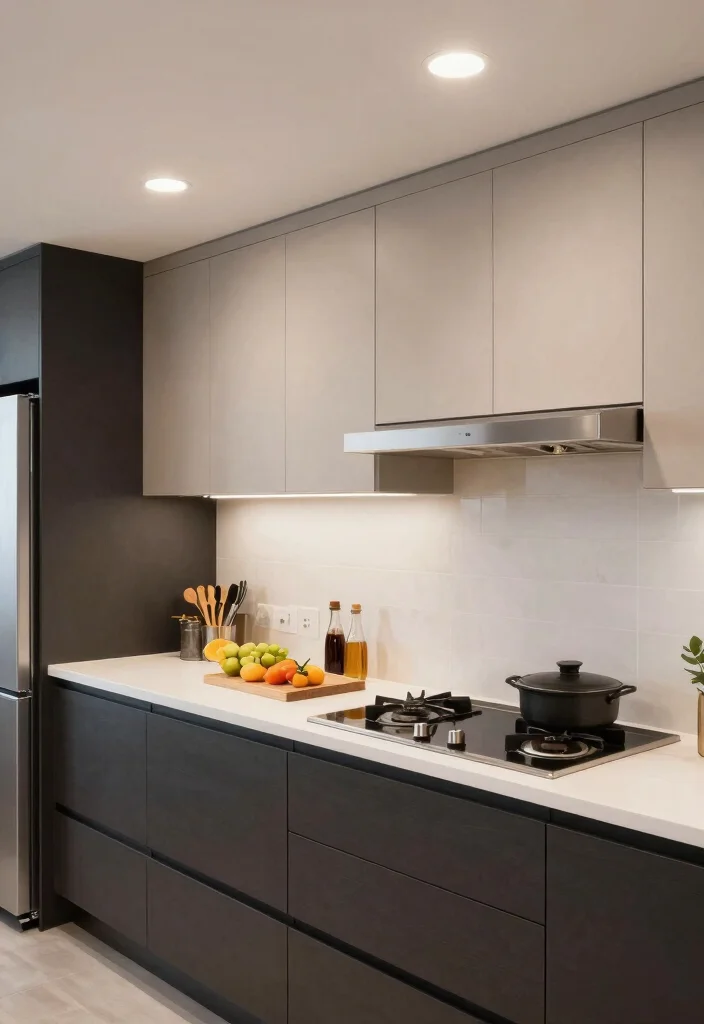
Task lighting is vital for any kitchen, and recessed lights play a crucial role in ensuring your work areas are well-lit. Key spaces like countertops, stoves, and sinks require bright, focused illumination for efficient food preparation and cooking. Positioning recessed lights strategically helps eliminate shadows and enhances visibility.
For maximum efficiency, consider using adjustable fixtures that allow you to change the angle of the light as needed.
Here are some effective tips to keep in mind:
– Install brighter bulbs in task areas for improved visibility.
– Combine recessed lighting with under-cabinet lights for an optimized workspace.
– Assess areas needing additional light based on your cooking habits.
A well-lit kitchen boosts productivity, making cooking and meal prep a more enjoyable experience.
18. Eco-Conscious Light Control
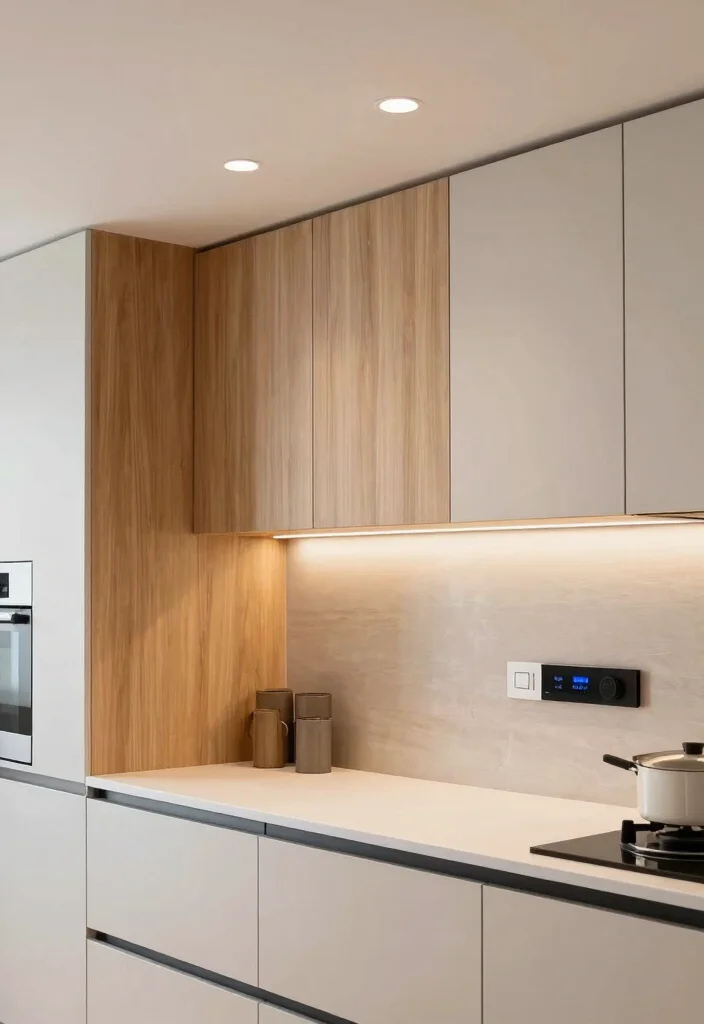
Integrating eco-conscious light control systems with your recessed lighting can enhance energy efficiency while offering convenient controls. Features like dimmers, timers, and motion sensors help reduce energy consumption and prolong bulb lifespan. These systems can be easily incorporated into your existing recessed lighting setup, providing a practical solution for environmentally-minded homeowners.
Consider these useful tips:
– Choose smart dimmers compatible with your recessed lighting.
– Position motion sensors in high-traffic areas to automate lighting.
– Regularly assess your lighting needs to optimize usage.
Eco-conscious control solutions not only save energy but also improve the livability of your kitchen, creating a more pleasant space to enjoy.
Conclusion
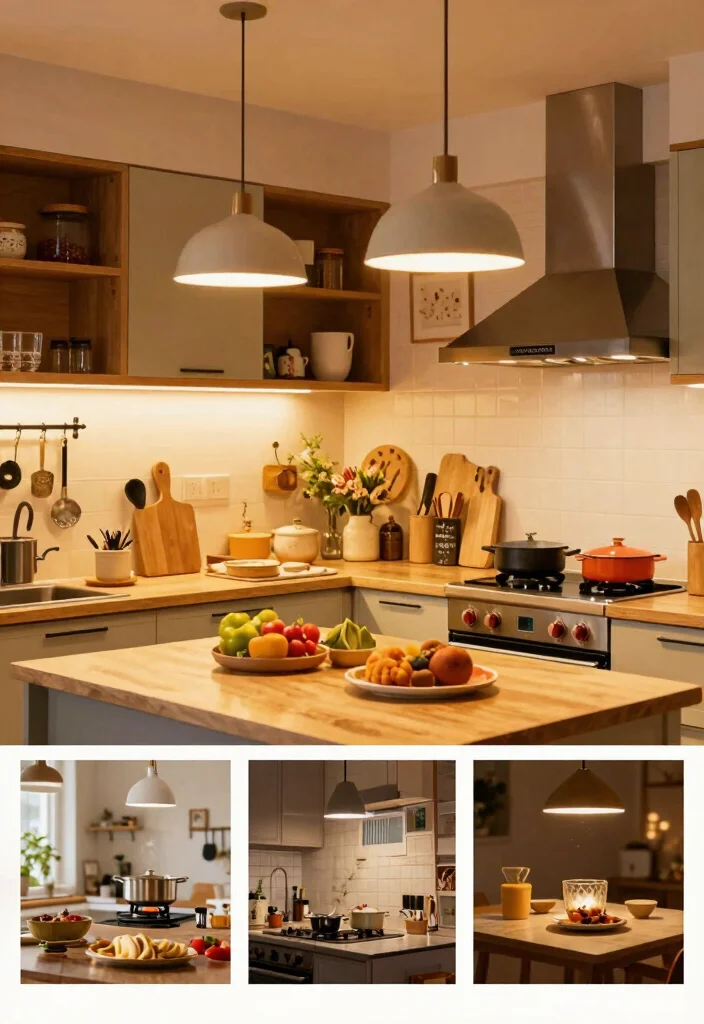
Incorporating recessed lighting into your kitchen design can transform the space into a functional yet stylish haven. From energy-efficient options to creative placements, these 18 ideas showcase how versatile and impactful recessed lighting can be. Consider how each style aligns with your personal taste and kitchen layout, ensuring that your lighting choices enhance both beauty and practicality.
Frequently Asked Questions
What are the most effective recessed lighting ideas for a modern kitchen that balance task, ambient, and energy efficiency?
For a modern kitchen, layer lighting: general ambient light from recessed ceiling fixtures, task lighting from under-cabinet LEDs, and a touch of accent lighting on the island.
Choose energy-efficient, dimmable LED cans and aim for a color temperature around 3000K to 4000K for a warm to neutral white.
A CRI of 90+ helps foods and finishes read true, which is essential for kitchen lighting ideas and modern kitchen design. With thoughtful recessed lighting placement, you get even coverage and energy efficiency that works with today’s recessed lighting in kitchen trends.
How should I place recessed lights in a kitchen to achieve even lighting and reduce shadows?
Start with a layout that targets each work zone: sink, prep counters, and stove.
For an 8-foot ceiling, a common rule is to space fixtures about 4 to 6 feet apart to achieve even brightness.
Position lights roughly 18–24 inches from the edge of countertops to minimize shadows on work surfaces. Install two or more cans over islands for crisp task light, and complement with under-cabinet lighting to fill any remaining gaps. This strategy supports ambient kitchen lighting and recessed lighting placement in a modern kitchen design.
Can recessed lighting be dimmed and connected to smart controls to save energy in a kitchen?
Yes. Use dimmable LED recessed fixtures and pair them with smart switches, hubs, or compatible bulbs to adjust brightness from anywhere.
Add occupancy sensors or timed controls to turn lights off when the space isn’t in use, helping with energy-efficient lighting options. This setup also enhances ambient kitchen lighting and fits well with a modern kitchen design.
What color temperature and CRI are best for recessed lighting in a kitchen to make food look true-to-life and inviting?
For most kitchens, a neutral to warm white works best: about 2700K to 4000K, with 3000K–3500K offering a comfortable balance for cooking and dining.
A CRI of 90+ keeps colors—like food, countertops, and cabinetry—looking true. If you prefer a cooler, more contemporary feel, you can lean toward 4000K but still choose high CRI. This aligns with kitchen lighting ideas, ambient kitchen lighting, and energy-efficient lighting options.
What maintenance tips help recessed lighting in the kitchen stay energy-efficient and last longer?
Choose high-quality, long-life LED fixtures and keep lenses clean to maximize light output.
Use airtight trims and ensure proper ventilation to reduce heat buildup that can shorten life. Regularly check dimmers and switches for compatibility, and replace drivers or modules as needed. With a bit of routine care, recessed lighting in kitchen stays energy-efficient and reliable, fitting neatly into a modern kitchen design.
