
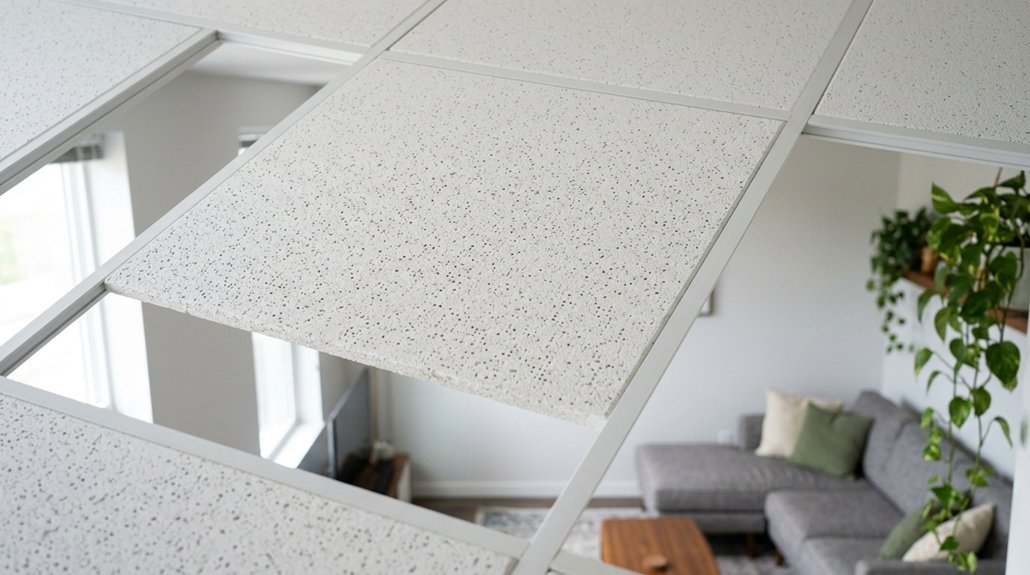


You’ve probably never given a second thought to what’s overhead, yet ceiling tiles shape everything from the air you breathe to how well you hear conversations below. These unassuming panels hide a surprising complexity: mineral fiber blends containing 60-70% recycled content and perlite, fiberglass woven with formaldehyde-free binders, PVC with hollow cores that resist moisture, and even stone wool rated for fire safety up to 2,000°F. Your choice matters because materials release volatile organic compounds (VOCs), trap humidity, or absorb sound at dramatically different rates, and the wrong tile in your basement or office could mean persistent odors, mold risks, or acoustic chaos you cannot easily fix. The real question isn’t whether ceiling tiles matter, but which composition actually serves your specific space without hidden trade-offs you’ll regret later.
What Ceiling Tiles Are Really Made Of
If you’ve ever looked up and wondered what exactly is overhead, you’re not alone, because ceiling tiles are manufactured from a surprisingly diverse range of materials, each engineered to deliver specific performance benefits you’ll want to match to your space. Mineral fiber tiles, produced through wet-pressed or non-wet-formed perlite methods, incorporate waste paper and mineral fiber with up to 75% post-industrial recycled content, though you’ll encounter low formaldehyde levels. Fiberglass tiles feature non-woven fiberglass with formaldehyde-free binders, achieving CHPS certification and NRC values of 0.75 to 0.85 for superior sound absorption. Wood/agribased composites, typically MDF cores with wood veneer rather than solid wood, require ANSI A208.2–1994 emissions conformity with FSC certification recommended for responsible sourcing. PVC tiles offer lightweight construction with hollow cores and glossy surfaces, delivering moisture resistance for demanding environments while presenting chlorine gas risks during combustion and potential VOC concerns you’ll need to evaluate.
Recommended Products

High-grade Ceiling Tiles :Fasarxiu waterproof ceiling tiles are made from virgin-grade PVC vinyl for superior fire and heat resistance that is not susceptible to health hazards resulting from water and moisture. It’s also lightweight,making cutting and installing the tiles less of a hassle and much easier for the do-it-yourselfer.

High-grade Ceiling Tiles :Fasarxiu waterproof ceiling tiles are made from virgin-grade PVC vinyl for superior fire and heat resistance that is not susceptible to health hazards resulting from water and moisture. It’s also lightweight,making cutting and installing the tiles less of a hassle and much easier for the do-it-yourselfer.

【Premium Waterproof PVC】The Sunnyglade ceiling tile constructed using superior PVC, this product offers superior resistance to moisture, oil, rust, warping, and discoloration, ensuring long-lasting performance. The 5mm panels in thickness also with superior fire and heat resistance, enhancing safety while reducing space noise
Which Ceiling Tiles Work Best in Bathrooms and Humid Spaces?
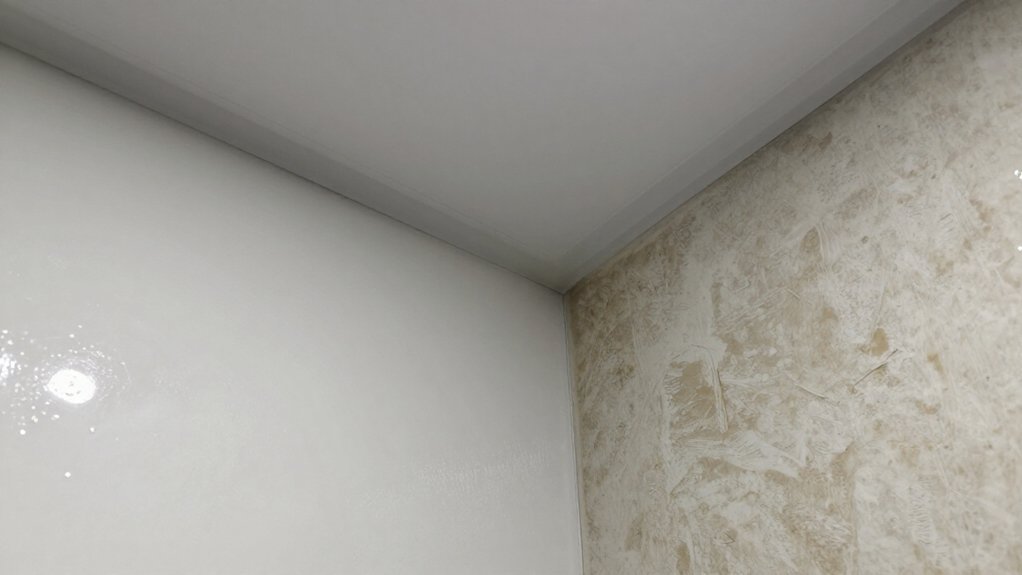
When you’re selecting ceiling tiles for bathrooms, laundry rooms, or any space where humidity climbs above 60% regularly, you’ll need materials that resist moisture absorption, inhibit mold growth, and maintain structural integrity without warping, sagging, or degrading over repeated wet-dry cycles. You’ll want to avoid mineralized wood-fiber panels entirely, as they absorb moisture and foster mold. Instead, prioritize vinyl-wrapped mineral fiber tiles, which seal standard mineral fiber cores against humidity, or choose stone wool tiles, which offer inherent moisture resistance, Class A fire performance, and a 30-year warranty in a fully recyclable composition. Non-wet-formed perlite tiles also deliver strong moisture resistance with low mold risk, while metal and clay-based options provide additional durability. PVC tiles work too, though you should weigh their waterproofing against potential chlorine gas release during fire events.
Recommended Products

Superior Acoustic Performance: Our 2x2 drop ceiling tiles offer excellent sound absorption and noise reduction, creating a quieter environment. Ideal for use in suspended ceiling systems, these ceiling tiles 24x24 are perfect for offices and studios.
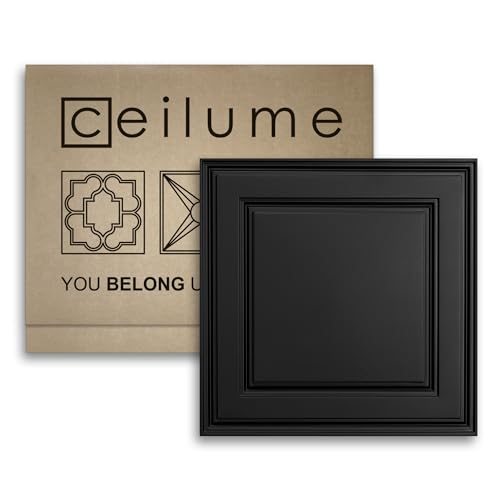
WATERPROOF & FIRE-RATED: Class A fire-rated, waterproof PVC construction resists moisture, mold, and mildew — ideal for kitchens, bathrooms, and basements

Residential Use Only: Made for residential ceilings, made of soft foam not for commercial use
Mineral Fiber vs. Fiberglass: Which Absorbs Sound Better?
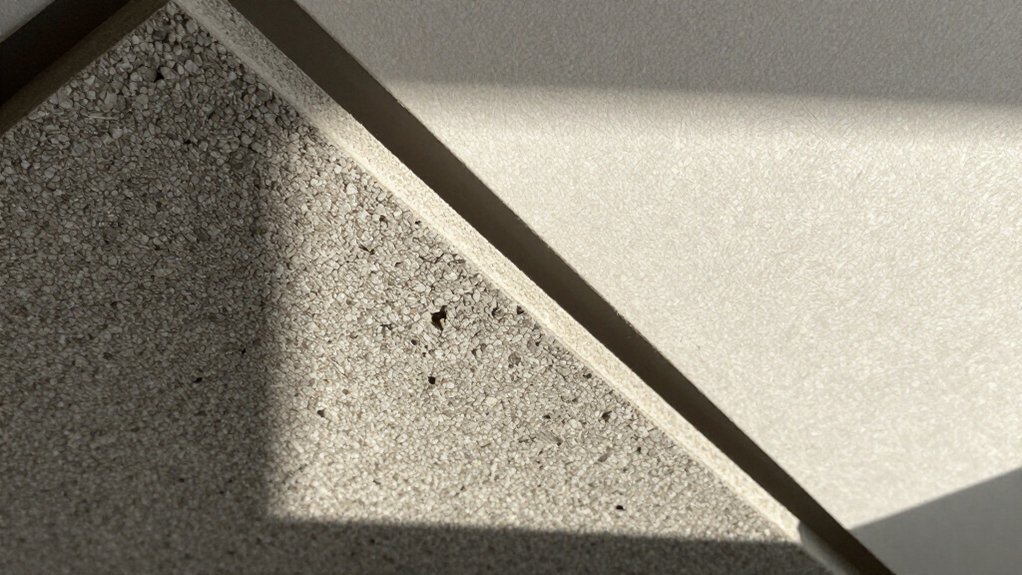
You’ll notice mineral fiber tiles, which incorporate 75% post-industrial recycled content and achieve NRC ratings of 0.65 to 0.75, deliver solid sound absorption for standard office environments, though fiberglass alternatives, constructed with non-woven fiberglass and formaldehyde-free binders certified by CHPS, can reach NRC values up to 0.90 while also offering superior CAC ratings as high as 180 in products like OPTIMA Concealed. When you’re evaluating noise reduction performance for an open plan space, you should target the 0.75 to 0.90 NRC range and weigh whether you need the balanced absorption and blocking that mineral fiber provides, or the maximum absorption and exceptional sound containment that premium fiberglass systems deliver. Your specific application, whether it prioritizes recycled content and cost efficiency or demands peak acoustic performance with added moisture resistance and 0.88 light reflectance, will ultimately determine which material serves your project best.
Recommended Products

Reduce Echo for Clearer Sound: These acoustic wall tiles absorb sound reflections to reduce echo and improve voice clarity, making speech and audio feel more natural and comfortable for gaming, recording, streaming, or daily use.

【Sound Absorbing】- The professional acoustical panels are 2” Thick with Superior sound absorption which NRC 0.95 providing clearer,more enjoyable sound environment, it’s much better than 1” thick normal poly fiber Panel.
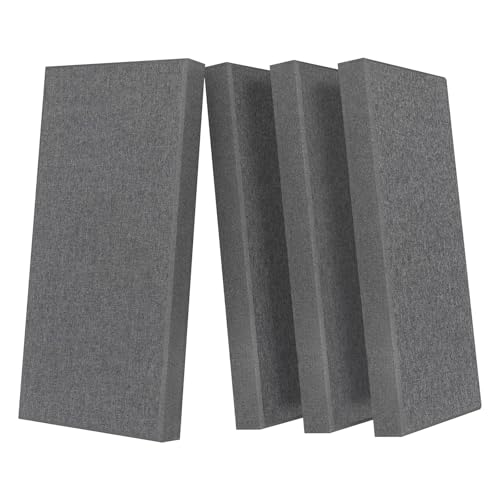
【Removable Panels】- The Fiberglass acoustic panels come with mental template and nails for you to hang in the ceiling or wall, it will be much stable, No worry about falling off. Besides It's removable .
Sound Absorption Comparison
How exactly do mineral fiber and fiberglass ceiling tiles stack up when you’re trying to quiet a noisy room? You’ll find that mineral fiber tiles, which are wet-pressed with at least 75% post-industrial recycled content, typically deliver NRC values of 0.65–0.75, meaning they absorb 65% to 75% of the sound that strikes them. Fiberglass panels, however, often achieve superior sound absorption, with products like OPTIMA Concealed reaching NRC 0.90 and CALLA TEMPLOK hitting NRC 0.85. When you’re selecting ceiling materials for open plan spaces, you’ll want to prioritize higher NRC values in the 0.75–0.90 range, where fiberglass options frequently dominate. Stone wool tiles, such as Rockfon, also provide strong acoustic performance alongside moisture resistance and a 30-year warranty, giving you durable alternatives worth considering.
Noise Reduction Performance
Why does the material beneath your ceiling matter so much for peace and quiet? You’re directly choosing between NRC ratings, the standard measurement for sound absorption, when you select mineral fiber tiles or fiberglass panels. Mineral fiber tiles, including wet-pressed options, typically deliver NRC ratings around 0.65–0.75, though products like CALLA TEMPLOK achieve 0.85 with fiberglass-free, formaldehyde-free binders that improve indoor air quality. Wet felt mineral fiber substrates use fissures to absorb sound, yet they require surface treatments to prevent mold growth that could reduce performance consistency. Fiberglass panels generally outperform mineral fiber in NRC, with products like OPTIMA Concealed reaching up to 0.90 for stronger sound absorption. Stone wool alternatives, such as Rockfon, combine high acoustic performance with moisture resistance and a 30-year warranty, often exceeding standard mineral fiber. Your specific needs, installation conditions, and budget determine whether mineral fiber’s competitive range or fiberglass’s superior ratings serve you best.
Metal, Wood, or PVC: Where Each Material Shines (and Fails)
When you’re standing in the tile aisle and weighing your options, metal, wood, and PVC each present distinct trade-offs that’ll shape your ceiling’s performance, appearance, and longevity for years to come. Metal tiles, available in brass, copper, aluminum, and tin, deliver exceptional durability and aesthetic versatility, though they don’t absorb sound as efficiently as mineral fiber acoustical ceiling tiles and often require hidden acoustic strips in the ceiling cavity for adequate noise control. Wood tiles, typically MDF with a wooden veneer rather than 100% solid wood, serve primarily decorative purposes in dropped ceilings with numerous finish options but offer limited functional benefits. PVC tiles, lightweight plastic with a hollow core and shiny surface, provide superior moisture resistance for bathrooms yet release chlorine gas when burnt, creating serious fire/health considerations that make them unsuitable for kitchens.
Recommended Products


【Package Details】Includes 16 white mineral fiber ceiling tiles (24×24 in). The tiles are well packaged for perfect delivery and immediate installation. Please contact us for any damage caused by logistics or unavoidable issues.

EASY INSTALLATION. Ceiling tiles with a non-directional texture and a square edge cut.
Finding Asbestos in Old Ceiling Tiles: When to Test and What to Do
While you’re evaluating modern materials like metal, wood, or PVC for your ceiling project, you might encounter an existing ceiling that predates your ownership, and if your building was constructed or renovated before 1981, you could be staring at asbestos-containing tiles that demand immediate attention before any installation begins. You can’t identify asbestos through visual inspection alone, so you’ll need professional testing to confirm its presence. If you suspect asbestos, don’t disturb the tiles, as damaged materials release fibers that cause mesothelioma, asbestosis, and lung cancer. You’ll find these tiles in older hospitals, offices, schools, basements, and utility rooms. Contact a licensed contractor for inspection before renovating. When testing confirms asbestos and removal is necessary, hire a licensed contractor for safe removal and ensure proper disposal per local regulations.
Recommended Products
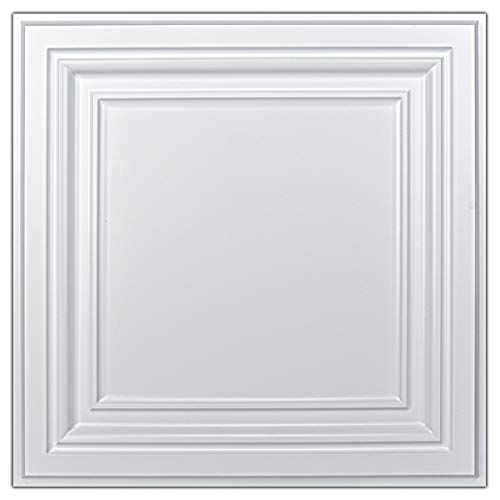
1 case of 12 Packs, 12 Count Total

Waterproof; Our waterproof PVC vinyl is easy to clean and won't collect moisture from humidity

For DIY Enthusiasts: Ultra-easy installation fits standard ceiling grids, so you can install 12 tiles (48 sq.ft) in minutes without tools or glue
Toxic Chemicals in Modern Ceiling Tiles: Flame Retardants and Formaldehyde to Avoid
When you’re shopping for ceiling tiles, you’ll want to watch out for flame retardant risks, since some manufacturers add toxic chemical treatments that aren’t always disclosed on product labels, and you’ll also need to check for formaldehyde in binders, particularly the phenol-formaldehyde adhesives still common in fiberglass tiles, though the industry is gradually shifting toward formaldehyde-free alternatives. You can protect your indoor air quality by choosing tiles with low-VOC (volatile organic compound, meaning fewer harmful chemicals released into the air) finishes and moisture-resistant specifications for humid environments, which helps prevent mold growth while minimizing respiratory irritants. For the safest options, look for products that explicitly state they’re free of antimicrobial coatings like triclosan or silver-based treatments, since these add-ons often lack proven health benefits and may introduce unnecessary environmental hazards into your home or workplace.
Recommended Products
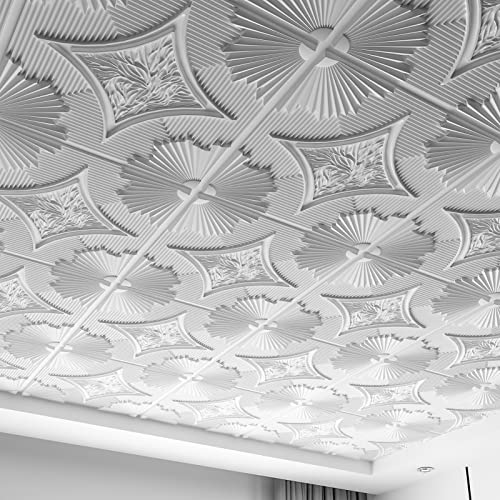
1 case of 12 Packs, 12 Count Total

INSTALLATION: Easily lay into a standard 15/16" T-bar drop ceiling grid system or glued over any flat substrates

Commercial standard - Class A fire-rated,low-emission, waterproof, washable, flexible and durable. No sag, rot, rust and breakage
Flame Retardant Risks
Beyond the surface finish and acoustic rating, you’ll want to scrutinize what chemicals manufacturers have embedded in your ceiling tiles because flame retardants, antimicrobial coatings, and formaldehyde-based binders can compromise indoor air quality in ways that aren’t always disclosed on product labels. Some manufacturers add toxic flame retardants to mineral fiber and other ceiling materials, and regulations don’t always require them to reveal these additives. You’re breathing whatever leaches out over months and years. Many tiles also carry antimicrobial coatings, such as triclosan or silver-based treatments, which lack proven health benefits and pose environmental risks. When selecting products, you should prioritize moisture-resistant alternatives like metal, clay, or perlite tiles that minimize chemical exposures. Request documentation verifying low or no flame retardant content, especially for tiles containing recycled-content binders where chemical histories often remain unclear.
Formaldehyde in Binders
Why should you worry about what’s holding your ceiling tiles together? You’re breathing whatever off-gases from the binders, and formaldehyde in those glues poses real risks. This respiratory irritant and known carcinogen hides in the phenol-formaldehyde binders that manufacturers use, especially in recycled content tiles where reclaimed materials contribute to the chemical load. Even mineral fiber products, which you might assume are inert, rely on these adhesive systems. You can find tiles marketed as formaldehyde-free, typically using non-woven fiberglass matrices or CHPS-certified formulations, but recycled content options may still carry traces. Before you buy, pull the material safety data sheets and verify the formaldehyde levels yourself. Low-formaldehyde content remains your safest bet when you’re weighing sustainability against indoor air quality.
Safer Material Alternatives
You don’t have to settle for ceiling tiles that compromise your air quality, because manufacturers now offer formaldehyde-free options that use non-woven fiberglass matrices or CHPS-certified formulations, which replace phenol-formaldehyde binders with safer adhesive systems that emit fewer volatile organic compounds (VOCs), the airborne chemicals that can irritate your lungs and trigger respiratory issues. When you shop for mineral fiber tiles, you’ll want to verify that products carry explicit low-VOC certifications and specify moisture-resistant properties, since humidity accelerates chemical off-gassing and degrades standard binders. You should scrutinize antimicrobial claims, as coatings like triclosan or silver-based treatments often lack proven health benefits while introducing environmental risks. You must also demand flame retardant disclosure, because manufacturers aren’t always required to reveal these additives. Prioritize tiles with documented low-emission finishes, moisture-resistant cores, and third-party validation of formaldehyde-free construction.
Green Guard, FSC, and Recycled Content: Certifications That Actually Protect Your Air
When you’re standing in a room, you’re probably not thinking about what’s overhead, but the ceiling tiles above you might be releasing chemicals into the air you’re breathing right now, which is exactly why certifications like GREENGUARD, FSC, and verified recycled content matter so much for your indoor environment. Green Guard certification guarantees low chemical emissions, directly protecting your indoor air quality, while FSC certification tracks wood fibers to responsibly managed forests. You’ll find impressive recycled content in leading products: Armstrong’s CALLA HEALTH ZONE AIRASSURE contains 76% recycled material, and OPTIMA Concealed offers 71%, combining post-consumer and pre-consumer sources for maximum sustainability impact. Many manufacturers now use formaldehyde-free binders, particularly in fiberglass tiles, further reducing pollutants.
Your ceiling tiles could be releasing chemicals into the air you breathe right now—making certifications like GREENGUARD and FSC essential for protecting your indoor environment.
- Green Guard tests verify minimal volatile organic compound emissions for healthier breathing
- FSC-labeled tiles trace wood content to certified, sustainable forest operations
- Recycled content percentages up to 76% slash landfill waste and raw material extraction
- Formaldehyde-free fiberglass binders eliminate a common respiratory irritant
- Pre-consumer and post-consumer recycled metrics let you compare true environmental performance
Recommended Products

Designed to go over popcorn ceilings and most other surfaces without the need for expensive tools.

Pack Size: Pack of 12 ceiling tiles with size 2ftx2ft, covering 48 sq.ft. 3D pattern with raised design makes our ceiling panels more eye-catching.

【Easy Installation】 STICKGOO Drop Ceiling Tiles are compatible with 15/16" T-bar grid system or glued over any flat substrates, also can use a utility knife or scissors to cut out the area for the light fixture
